



The Soul of Comfort Food
Before we get to the recipe, let's talk about what makes a meal 'comforting'. It’s more than just taste. It’s nostalgia, simplicity, and a sense of being cared for. Comfort food doesn't challenge your palate; it soothes it. It’s the meal your mother made
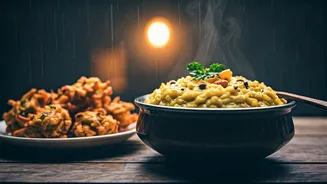
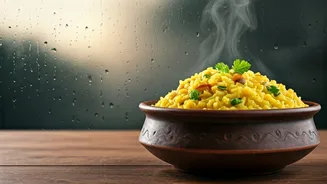
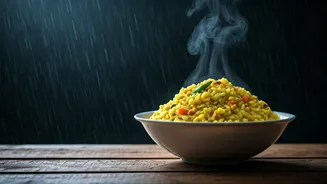
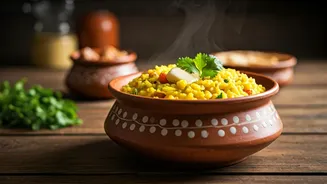
when you were sick, the simple dal-chawal after a long trip, or the warm bowl that signals the monsoon has truly arrived. It’s food that feels like coming home. In the vast and varied landscape of Indian cuisine, one dish stands unparalleled in its ability to deliver this feeling: the humble, magnificent Khichdi.
Why Khichdi Reigns Supreme
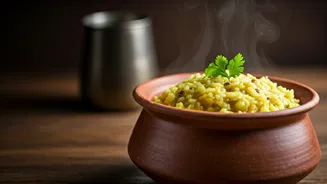
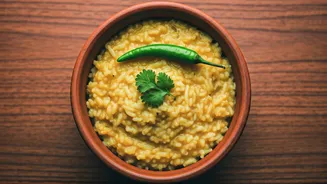
Forget complicated biryanis or rich curries. The true champion of comfort is Khichdi. A simple, one-pot dish of rice and lentils, it's the culinary equivalent of a safety blanket. Its magic lies in its versatility and its deep cultural roots. It's often the first solid food a baby eats and the prescribed meal for someone recovering from an illness. Why? Because it’s a complete protein, easy to digest, and incredibly gentle on the system. But its role extends beyond convalescence. From the bhog offered during Durga Puja to the hearty versions eaten on a cold winter’s night, Khichdi is a canvas for every mood and occasion. It requires minimal effort for maximum emotional and nutritional reward, making it the undisputed ultimate comfort meal.
The Core Ingredients for Perfection
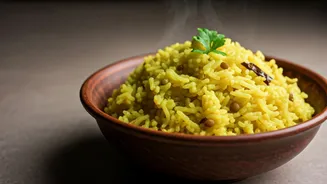
The beauty of Khichdi is its simplicity. You don’t need a long list of exotic ingredients. For the most soulful, comforting version, you need just a few high-quality staples. * **Rice:** A short to medium-grain rice works best. Gobindobhog is classic in Bengal for its aroma, but a simple Sona Masoori or any local variety you have will do beautifully. The goal is a creamy, slightly mushy texture, not separate grains. * **Dal:** Yellow moong dal (split and skinned mung beans) is the classic choice for a light, fragrant Khichdi. Roasting it slightly before cooking deepens its nutty flavour. Masoor dal (red lentils) is another excellent option that cooks down to a wonderful creaminess. * **Ghee:** This is non-negotiable. While you can use oil, the nutty, rich aroma of pure ghee is what elevates Khichdi from a simple meal to a divine experience. Don’t be shy with it! * **Spices:** Simplicity is key. A bit of turmeric for colour and its anti-inflammatory properties, a pinch of asafoetida (hing) for flavour and digestion, and some cumin seeds are all you need. Ginger is great for a little warmth and zing.
Your Step-by-Step Guide
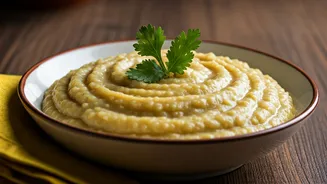
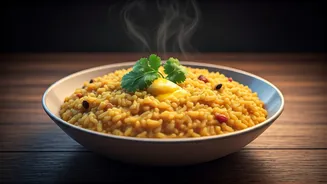
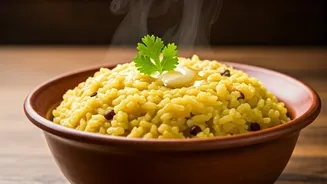
This recipe serves two and is designed for a pressure cooker, the fastest route to comfort. 1. **Prep the Grains:** Take ½ cup of rice and ½ cup of yellow moong dal. Rinse them together under cold water until the water runs clear. Let them soak for about 15-20 minutes while you prep other ingredients. 2. **The Tempering (Tadka):** Heat 2 tablespoons of ghee in a pressure cooker over medium heat. Once it’s hot, add ½ teaspoon of cumin seeds. When they start to sizzle, add a pinch of asafoetida (hing) and 1 teaspoon of grated ginger. Sauté for about 30 seconds until fragrant. 3. **Add the Grains:** Drain the soaked rice and dal and add them to the cooker. Add ½ teaspoon of turmeric powder and salt to taste. Sauté everything together for about a minute, allowing the grains to get coated in the ghee and spices. 4. **Cook to Perfection:** Add 3 cups of water. For a soupier Khichdi, add 4 cups. Give it a good stir, close the lid of the pressure cooker, and cook on high heat. After the first whistle, reduce the heat to low and cook for another 5-7 minutes. Turn off the heat and let the pressure release naturally. This slow release is crucial for a creamy texture. 5. **The Finishing Touch:** Once the pressure is gone, open the lid. The Khichdi will look thick and luscious. Add another tablespoon of ghee on top, letting it melt into the warm grains. Gently stir and serve immediately.
The Essential Accompaniments
Khichdi is wonderful on its own, but it becomes a feast with its 'chaar yaar'—its four best friends. A perfect Khichdi meal includes: * **Dahi:** A bowl of cool, plain curd provides a tangy contrast to the warm, savoury Khichdi. * **Achaar:** A spoonful of your favourite pickle (mango, lime, or mixed vegetable) cuts through the richness with a spicy, sour kick. * **Papad:** A crispy, roasted or fried papad adds a much-needed textural crunch. * **Ghee:** Yes, again! An extra drizzle of melted ghee over your serving of Khichdi is a final act of love.