



The Green-Leafed Promise
The belief that houseplants can scrub the air clean has its roots in a 1989 NASA Clean Air Study. Faced with the challenge of purifying air in sealed environments like space stations, researchers found that certain common houseplants could remove volatile
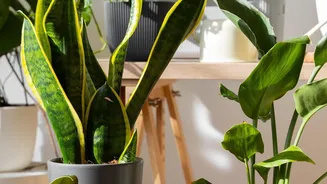
organic compounds (VOCs) like benzene and formaldehyde from a closed chamber. The study identified several plants, including the snake plant, peace lily, and English ivy, as being effective in these controlled conditions. This groundbreaking research captured public imagination, launching the popular idea that filling our homes with plants was a simple, natural way to achieve healthier air. The concept was compelling: buy a plant, breathe cleaner air. For decades, this has been a central selling point for the indoor plant industry, turning decorative items into functional, air-purifying powerhouses in the minds of many consumers.
A Breath of Fresh Air, or Just Hype?
While the NASA study was scientifically sound, its findings came with a major caveat that is often overlooked. The experiments were conducted in small, sealed chambers—an environment vastly different from a typical home or office with natural ventilation, open doors, and windows. More recent analysis has put the original findings into perspective. Researchers have concluded that for plants to significantly impact air quality in a real-world setting, you would need an enormous number of them. Estimates vary, but some studies suggest needing anywhere from 10 to 1,000 plants per square metre to match the air-cleaning rate of a building's standard ventilation system. Essentially, you would need to be living in a dense jungle, not just have a few pots on the windowsill. So, while your monstera is technically absorbing pollutants, the effect is so small it is almost negligible when compared to other factors.
What Really Clears the Air
If a few houseplants are not the solution to indoor air pollution, what is? Experts agree that the most effective strategies are simpler and more direct. The first and most important method is ventilation. Regularly opening windows and doors to allow fresh air to circulate is one of the best ways to dilute and remove indoor pollutants. If you live in an area with poor outdoor air quality, using high-efficiency particulate air (HEPA) filters in your ventilation system or in standalone air purifiers is a highly effective alternative. These devices are specifically designed to capture fine particles, allergens, and other airborne contaminants. Another key strategy is source control: reducing the pollutants in your home in the first place. This can involve choosing low-VOC paints and furniture, ensuring proper ventilation for gas stoves, and avoiding the use of harsh chemical cleaners and synthetic air fresheners.
Don't Throw Out Your Plants Just Yet
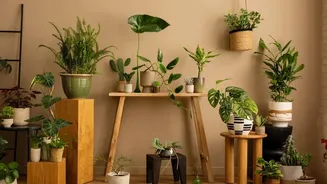
Just because houseplants are not the air-purifying miracle workers we thought they were doesn't mean they are without significant benefits. The psychological and wellness advantages of living with plants are well-documented. This phenomenon is linked to the 'biophilia hypothesis', which suggests humans have an innate tendency to connect with nature. Studies have shown that interacting with indoor plants can reduce stress, lower blood pressure, and improve mood. The presence of greenery in a room can make us feel calmer, more focused, and generally happier. In office environments, plants have been linked to increased productivity and employee satisfaction. Furthermore, the aesthetic value of plants is undeniable; they add life, colour, and texture to our indoor spaces, making them feel more welcoming and pleasant.