




Understanding Your Crisper Drawers
Those two drawers at the bottom of your refrigerator are more than just bins for runaway vegetables. They are specialized compartments designed to control humidity. Most fridges have two drawers, often with adjustable slides that let you toggle between
a high and low humidity setting. A high-humidity setting closes a small vent, trapping moisture inside the drawer. This is perfect for produce that wilts. A low-humidity setting opens the vent, allowing moisture and gases to escape, which is ideal for produce that tends to rot. A simple way to remember the rule is: if it wilts, it needs high humidity; if it rots, it needs low humidity. Using these drawers correctly can dramatically reduce food waste and save you money.
The High-Humidity Drawer: For Things That Wilt
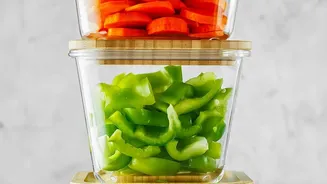
The high-humidity drawer is a haven for produce that is prone to losing moisture and wilting. Think of thin-skinned or leafy vegetables. By closing the vent on this drawer, you create a moist environment that helps them stay crisp and fresh. This is the ideal spot for most vegetables and any produce that is sensitive to ethylene gas, a natural ripening agent. A well-managed high-humidity drawer keeps your greens green and your veggies vibrant. To be effective, the drawer should be about two-thirds full, as this helps maintain the right humidity level. Produce for the high-humidity drawer includes: - Leafy greens (spinach, kale, lettuce) - Fresh herbs - Broccoli and Cauliflower - Carrots - Cucumbers - Asparagus - Green beans - Peppers - Strawberries
The Low-Humidity Drawer: For Things That Rot
The low-humidity drawer is best for produce that emits a lot of ethylene gas or is susceptible to rotting. The open vent on this drawer allows the ethylene gas to escape, which slows down the ripening process and prevents premature spoilage. This is generally where most fruits belong. Many fruits naturally produce ethylene as they ripen, and containing them in a high-humidity drawer would trap this gas, causing them and their neighbors to rot much faster. By giving them a low-humidity environment with good airflow, you help them last longer. Produce for the low-humidity drawer includes: - Apples - Pears - Avocados - Stone fruits (peaches, plums, nectarines) - Melons (cantaloupe, honeydew) - Kiwis - Grapes
The Ethylene Gas Factor
Understanding ethylene is the secret to becoming a produce-storage pro. Ethylene is a natural, odorless, and colorless plant hormone that some fruits and vegetables produce to trigger ripening. While useful, it can wreak havoc on other produce that is sensitive to it, causing premature yellowing, wilting, or spoilage. This is the primary reason for separating certain items. Fruits like apples, ripe bananas, pears, and stone fruits are major ethylene producers. Vegetables like broccoli, carrots, leafy greens, and cucumbers are highly sensitive to it. Storing an apple (an ethylene producer) next to a head of lettuce (ethylene-sensitive) is a recipe for sad, limp salad greens. The low-humidity drawer helps vent ethylene from the producers, while the high-humidity drawer shields the sensitive items from exposure.
What Should Stay Out of the Fridge?
Not all produce benefits from refrigeration. In fact, the cold, humid environment can ruin the texture and flavor of some of your favorite items. These should be stored at room temperature, typically in a cool, dark, and dry place like a pantry. Cold temperatures can cause potatoes to develop a sweet, gritty taste, while tomatoes can become mealy and lose their flavor. Onions and garlic need airflow to stay fresh and should be kept out of the fridge to prevent them from becoming moldy or sprouting. Unripe bananas should also be kept on the counter, as the cold will halt their ripening process and turn the peels black. Only move them to the fridge if you want to stop them from becoming too soft.