




The Rise of Slow Travel
Born from the ‘Slow Food’ movement in Italy, slow travel is a mindset that prioritizes connection over checklists. It’s about spending more time in fewer places, allowing you to move beyond the curated tourist experience and immerse yourself in the daily
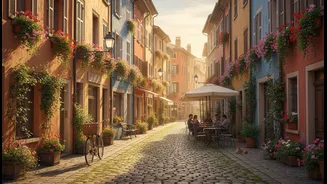
rhythm of a location. Instead of a whirlwind tour of multiple cities, you might spend a week or more in a single neighbourhood, discovering its hidden gems and getting to know its character. This approach isn't just about slowing down your itinerary; it's about intentionally seeking a deeper, more authentic experience of the world.
Finding True Rest and Recovery
A key benefit of a longer, slower trip is the ability to genuinely rest. Traditional, fast-paced tourism can lead to ‘tourist burnout’, leaving you exhausted and stressed. Slow travel provides the space to unwind without a packed agenda. Studies show that taking time away from daily stressors significantly improves well-being, mood, and sleep quality, with positive effects lasting for weeks after returning home. By removing the pressure to see everything, you give yourself permission to relax, reflect, and recharge, which is often the entire point of a holiday.
The Comfort of Everyday Routines
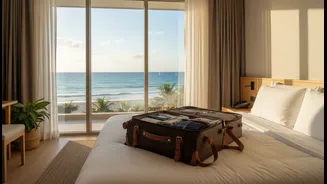
The idea of doing laundry on vacation might sound like a chore, but for slow travelers, it's a feature, not a bug. Booking an apartment or house with a kitchen and washing machine allows for a sense of normalcy and comfort. You can pack lighter, knowing you can wash clothes as needed. Simple routines, like doing a load of laundry or preparing a simple breakfast, can make you feel more at home and less like a temporary visitor living out of a suitcase. These small acts of domesticity help ground your experience, creating a home-away-from-home feeling that is deeply satisfying.
Savouring Local Life and Normal Meals
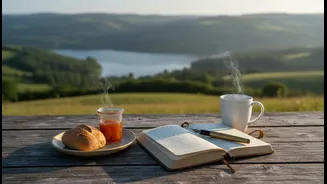
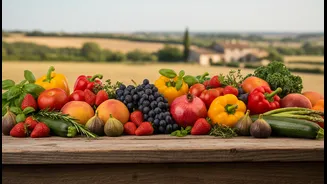
One of the greatest joys of a longer stay is exploring the local food scene beyond expensive tourist restaurants. With a kitchen at your disposal, you can browse neighbourhood markets, pick out fresh ingredients, and try your hand at cooking a local dish. This not only saves money but also offers a more authentic cultural immersion. It creates opportunities for ‘normal meals’—a simple, home-cooked dinner after a day of exploring, or a leisurely breakfast without a deadline. You'll find yourself discovering local bakeries, butcher shops, and cafes that you would have otherwise missed.
Practical Tips for a Longer Stay
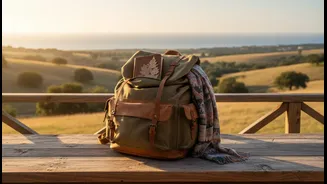
Planning a longer trip requires a slightly different approach. Prioritize accommodations with amenities like a kitchen and laundry. Look for weekly or monthly rental discounts on platforms like Airbnb. When it comes to packing, focus on versatile, quick-drying fabrics that are easy to wash by hand if needed. It’s also wise to research public transport options to navigate your temporary home like a local. Financially, create a budget that accounts for daily living expenses, not just tourist activities. Flexibility is key; leave room in your schedule for spontaneous discoveries.