



A Galaxy of Startups
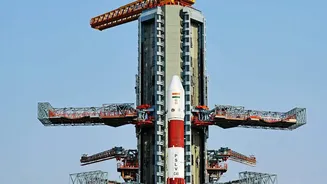
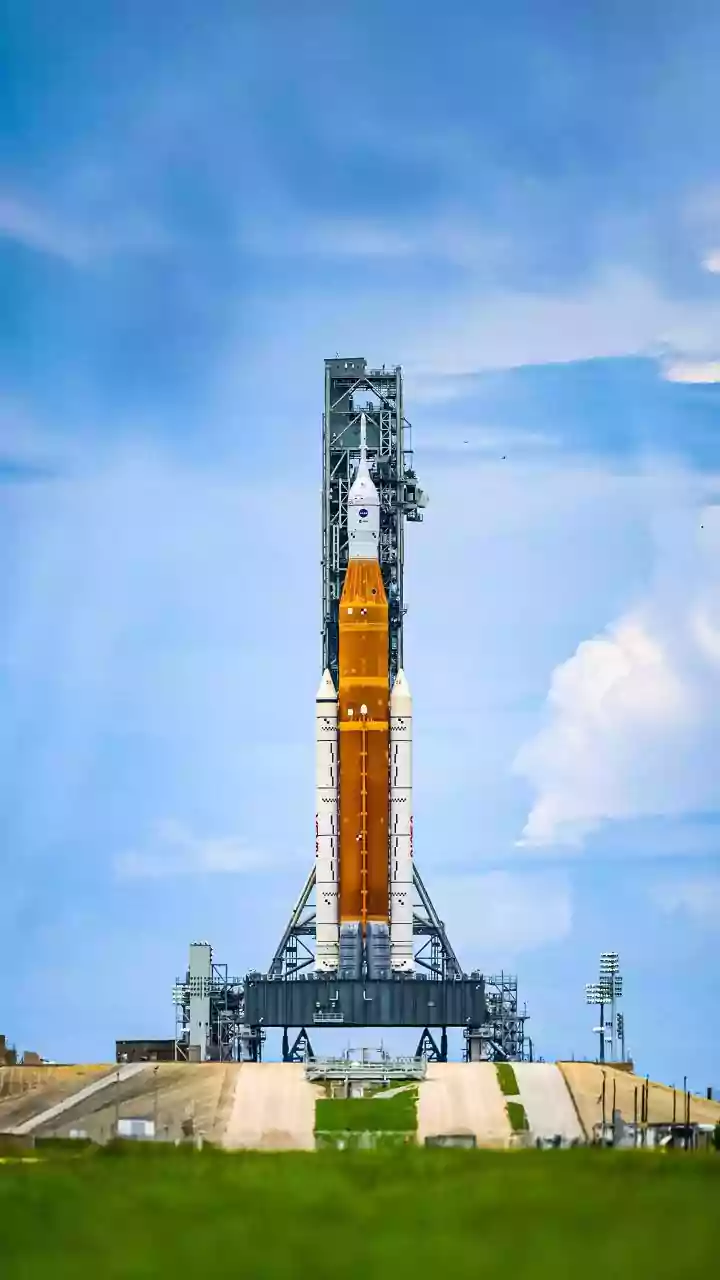
The Indian space landscape has transformed dramatically since the sector was opened to private enterprise in 2020. The government established the Indian National Space Promotion and Authorisation Centre (IN-SPACe) as a single-window agency to facilitate
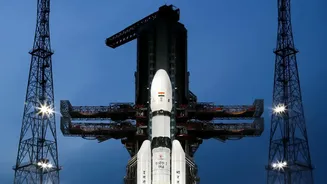
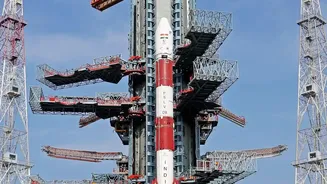
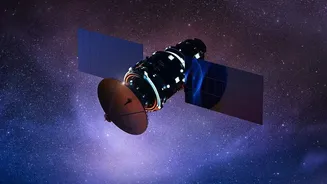
and regulate private participation. This policy shift has ignited a startup explosion, with the number of private space companies growing to over 400 by 2026. Firms like Skyroot Aerospace, which launched India's first private rocket, Agnikul Cosmos, and satellite-makers like Pixxel and Dhruva Space are now major players. This ecosystem is rapidly expanding India's space economy, which is projected to grow from around $8.4 billion today to over $40 billion by 2030.
The Core Engineering Frontier
While the industry is changing, the need for top-tier engineering talent remains fundamental. Aerospace, mechanical, and electronics engineers are still the bedrock of the space sector, responsible for designing, building, and testing launch vehicles and satellites. However, the roles are evolving. Private companies like Skyroot and Agnikul are aggressively hiring engineers with expertise in propulsion, avionics, and structures to develop next-generation, cost-effective rockets. There is a high demand for professionals who are hands-on, can work in fast-paced environments, and are skilled in modern design and simulation software. The goal has shifted towards rapid innovation and manufacturing at scale, creating a dynamic environment for engineers looking to make a tangible impact quickly.
Data Science: The New Rocket Fuel
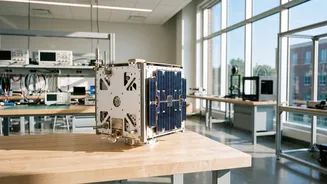
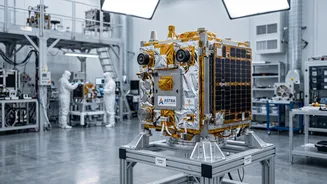
Modern space exploration generates enormous volumes of data, and the real value often lies in its interpretation. This has created a massive demand for data scientists, AI/ML specialists, and remote sensing experts. Companies like Pixxel, with its constellation of hyperspectral imaging satellites, and SatSure, which focuses on agriculture and climate analytics, are prime examples of this new downstream economy. These firms hire professionals who can build algorithms to analyse satellite imagery for a vast range of applications, including urban planning, disaster management, environmental monitoring, and defence. Skills in Python, machine learning, and geographic information systems (GIS) are now as critical to the space economy as rocket science itself.
Beyond the Blueprints: The Ecosystem Builders
You don't need to be an engineer to join the space race. As the industry commercialises, a whole new category of non-technical roles has emerged. Space-tech startups require business development managers to secure international contracts, marketing professionals to build their brand, and finance experts to manage surging investments. There's also a growing need for space lawyers to navigate complex international regulations and policy experts to advise on the evolving domestic framework. Even creative professionals like visual designers and communicators are in demand to help tell the stories of these innovative companies. These support roles are essential for building a sustainable and globally competitive industry.
What You Need for Liftoff
Breaking into India's new space workforce requires a mix of foundational knowledge and modern skills. A B.Tech in disciplines like aerospace, mechanical, electronics, or computer science remains a strong starting point. However, the field is becoming more interdisciplinary. Aspiring professionals should focus on gaining practical skills. Proficiency in programming languages like Python and C++, experience with data analysis and CAD software, and an understanding of systems thinking are highly valued. For those interested in downstream applications, certifications in remote sensing and GIS can be a significant advantage. With the sector growing rapidly, companies are looking for adaptable, collaborative individuals who are eager to learn and contribute to this historic expansion.