




The Powerhouse Pedals: Muscles in Cycling
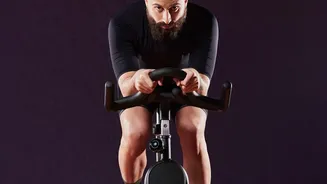
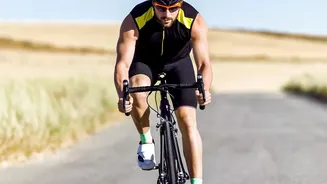
When you hop on a bicycle, your lower body becomes the engine. The primary muscles driving this machine are some of the largest in your body. The quadriceps, located at the front of your thighs, do the heavy lifting during the downward push of the pedal
stroke. They are supported by the gluteus maximus—your glutes—which help extend the hip to generate immense power. As you pull the pedal back up, your hamstrings at the back of the thigh and your calf muscles get involved, ensuring a smooth and efficient circle. While your core and upper body are engaged to maintain posture and stability on the bike, the overwhelming emphasis is on the powerful, repetitive motion of the legs. This makes cycling an exceptional activity for building lower-body strength and muscular endurance.
A Balancing Act: Muscles in Skating
Skating, whether on inline or quad skates, tells a different story. While it also provides a fantastic leg workout for the quads and hamstrings, its unique demand is balance, which activates a wider array of muscles. The side-to-side pushing motion heavily engages your hip abductors and adductors—the muscles on your outer and inner thighs—which are less utilized in the straightforward motion of cycling. Furthermore, every moment on skates is a test of stability, forcing your core muscles, including your abs and lower back, to work constantly to keep you upright. This continuous engagement for balance is what sets skating apart. It’s a full-body activity that not only strengthens your legs but also enhances coordination and fires up the smaller stabilizing muscles throughout your hips and torso.
The Stability Showdown
The headline's claim hinges on the difference in balance, and it's a valid one. On a bicycle, momentum and the bike's frame provide a significant amount of stability, especially once you're moving. Your body makes subtle adjustments, but the base is relatively secure. Skating is the opposite. You are balancing on a narrow set of wheels, and every movement requires your body to find and maintain its center of gravity. This is why beginners often find skating to have a steeper learning curve. While a cyclist primarily focuses on producing forward power, a skater must simultaneously produce power and manage constant instability, leading to superior improvements in balance and coordination.
Cardio, Calories, and Overall Fitness
Both activities are stellar for cardiovascular health, strengthening your heart and lungs. When it comes to burning calories, the intensity is key for both. However, because skating engages more muscle groups simultaneously—including the core and upper body for balance—it can often burn slightly more calories than cycling at a moderate pace. Some studies suggest that in a 30rd minute period, interval skating can burn up to 450 calories, compared to around 360 for cycling at a steady, moderate heart rate. Both are considered low-impact exercises, meaning they are gentler on your joints than activities like running, making them excellent choices for sustainable, longterm fitness.
Which is Right for You?
Choosing between cycling and skating ultimately comes down to your personal fitness goals. If your primary aim is to build powerful leg muscles, particularly your quads and glutes, with a lower barrier to entry in terms of balance, cycling is an outstanding choice. It’s also often more practical for longer distances or commuting. On the other hand, if you're looking for a more comprehensive, fullbody workout that seriously challenges and improves your balance, coordination, and core strength, skating is hard to beat. It offers a unique way to tone the muscles of the hips and thighs while providing an intense cardio session.