



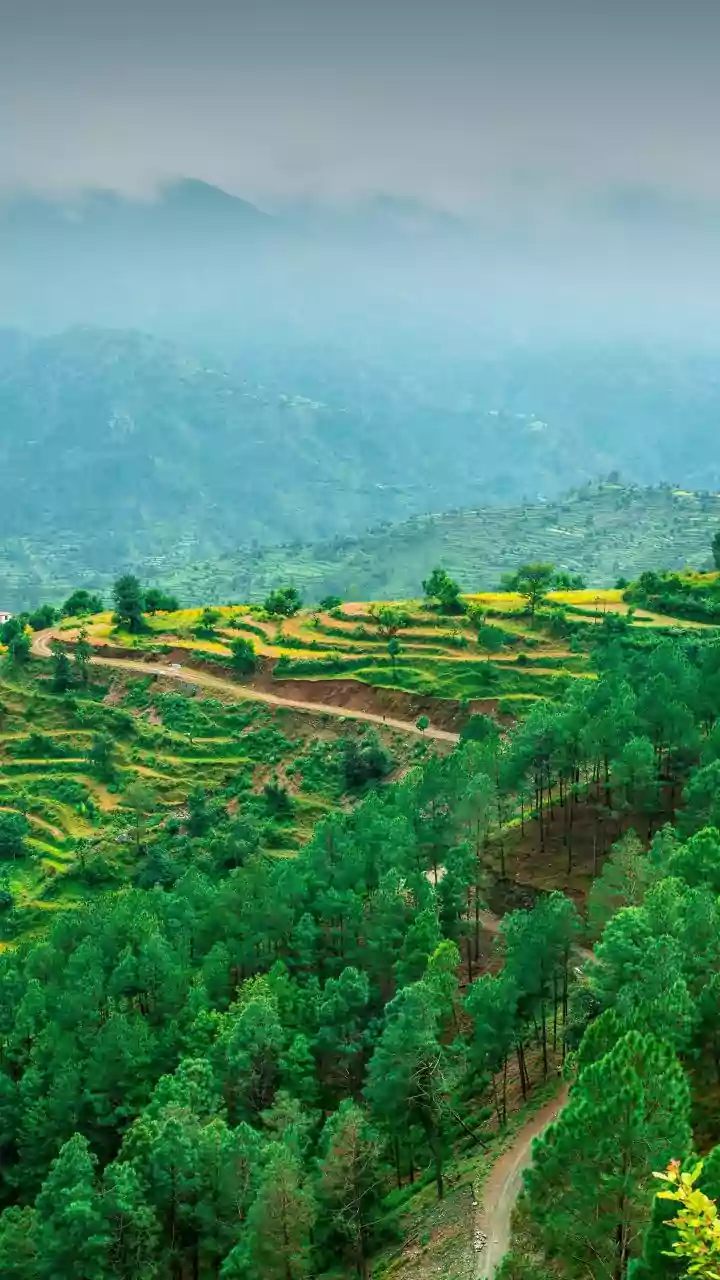



A Monsoon of Contrasts
The 2026 Kharif season is turning into a tale of two monsoons. After a weak start in June, a strong revival in July helped narrow the country's overall rainfall deficit. However, these national averages mask a worrying reality on the ground. As of mid-August,
the monsoon's momentum appears to be weakening again, with a cumulative deficit of around 12%. The real story lies in the distribution: some districts have been pounded by heavy rains leading to floods, while vast agricultural belts, particularly in southern and eastern India, are struggling with significant rainfall deficiencies and drought-like conditions. This patchiness is the primary concern for farmers, as a few days of intense rain cannot compensate for long, dry spells that deplete soil moisture at critical stages of crop growth.
Key Crops Under Stress
With the main sowing window nearly closed, the focus has shifted from acreage to yield. According to data from the Agriculture Ministry as of August 14, the total area sown with Kharif crops is about 2% lower than last year. The impact is visible across several vital crops. The acreage of rice, the main Kharif cereal, is down by 3.7%. Sowing of pulses like Tur (pigeon pea) has fallen by 4%, and maize has also seen a 4% decline. Even as sowing has largely concluded, the productivity of these standing crops is now at risk. Crops like soybean, maize, and paddy are entering growth phases that will determine the final output. Experts warn that continued moisture stress through August could severely impact flowering and grain filling, leading to lower yields and threatening the season's harvest.
The El Niño Effect
Looming over the monsoon season is the strengthening El Niño phenomenon in the Pacific Ocean. El Niño is a climatic pattern associated with the warming of the ocean surface, which often leads to weaker monsoon winds and reduced rainfall over the Indian subcontinent. The India Meteorological Department (IMD) has forecast below-normal rainfall for August and September, citing the strengthening El Niño as a key factor. This could mean higher-than-normal temperatures and prolonged dry periods in the crucial second half of the monsoon, further stressing rain-fed crops. While a positive Indian Ocean Dipole (IOD) can sometimes counteract El Niño's effects, it is not expected to develop strongly enough until later in the season.
Ripple Effects on the Economy
The fate of the Kharif harvest is intrinsically linked to India's economic stability. The agricultural sector is a massive employer, and a poor monsoon can depress rural incomes and demand for goods and services. A shortfall in the production of key staples like pulses, coarse cereals, and oilseeds could tighten domestic supply and fuel food inflation. This situation also has implications for global markets. A smaller harvest could force India, a major agricultural exporter, to restrict exports of commodities like rice and sugar to protect domestic supplies, potentially driving up global prices. Furthermore, the uneven rainfall impacts reservoir levels, which are crucial for irrigation during the post-monsoon Rabi crop season, creating a cascading effect on food security.