


A Final of Attrition and Brilliance
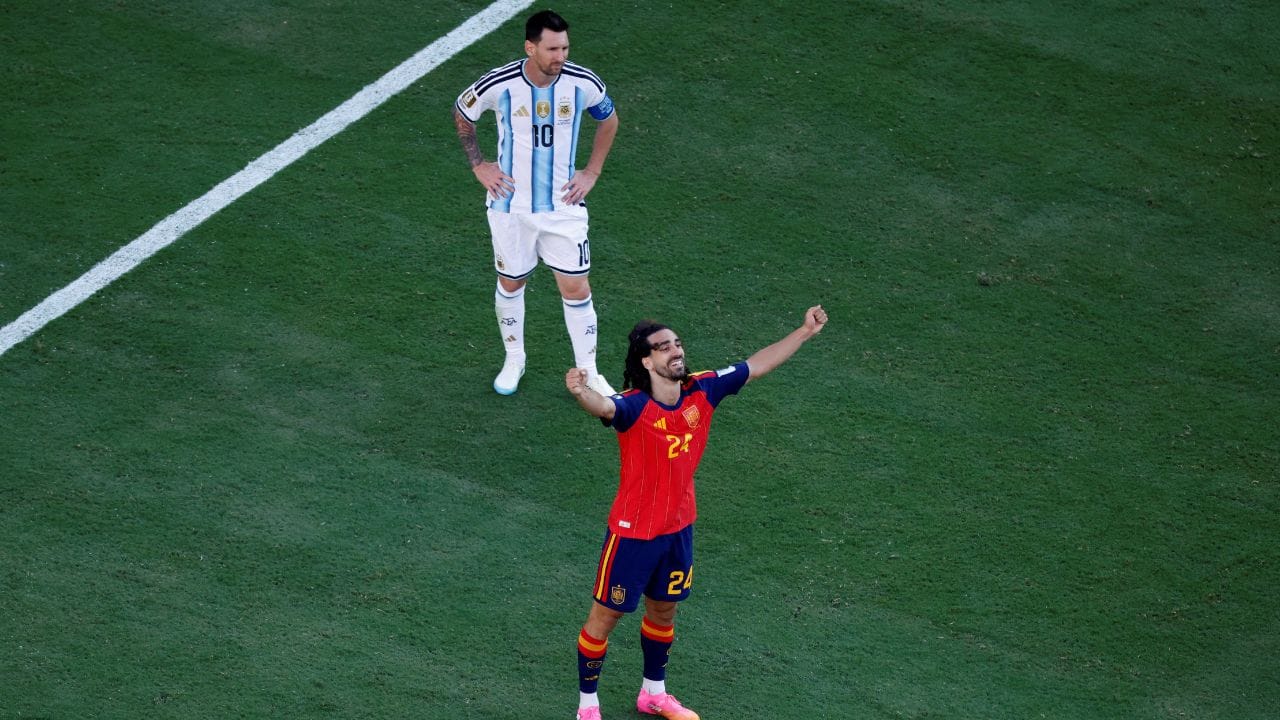
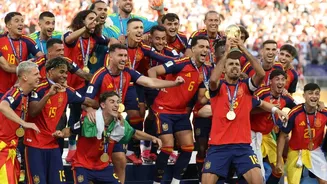
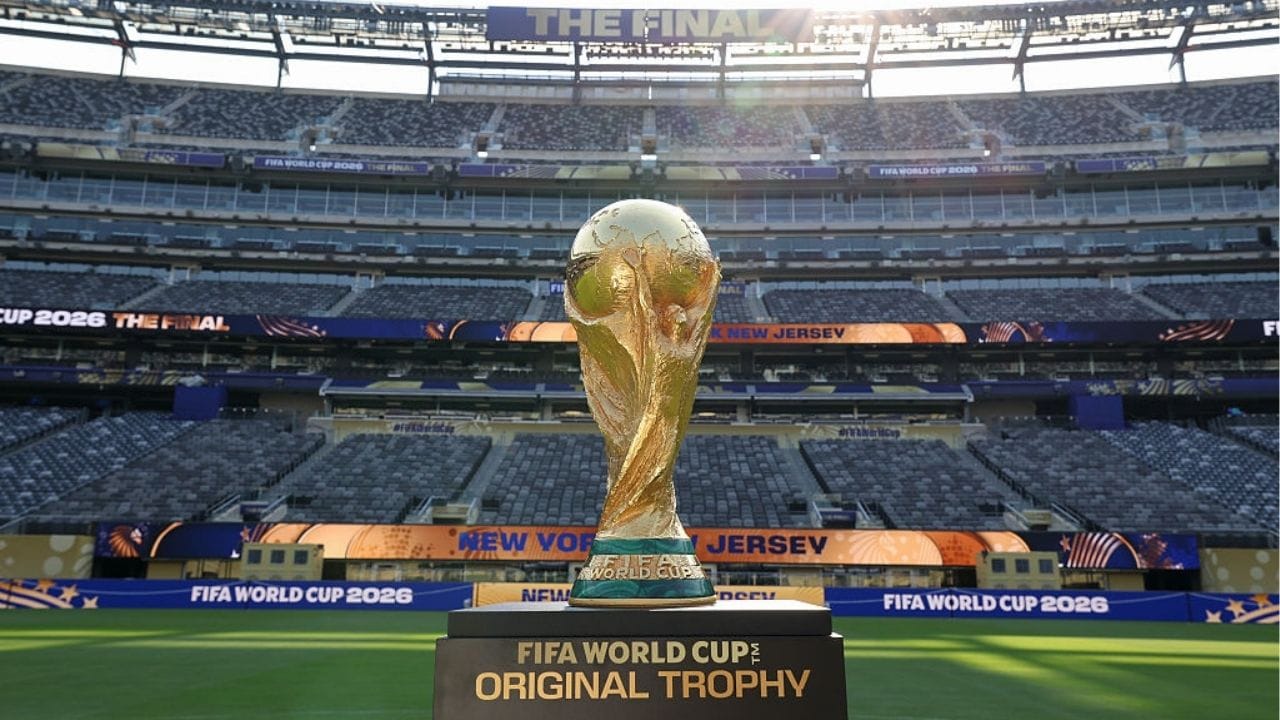
The final in New Jersey was a testament to Spanish dominance and Argentine resilience. For 105 minutes, Argentina, the defending champions, held firm against a relentless Spanish attack. Goalkeeper Emiliano Martínez was heroic, making a record 12 saves
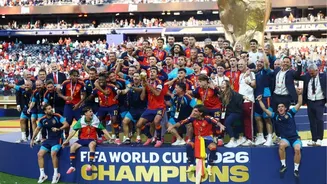
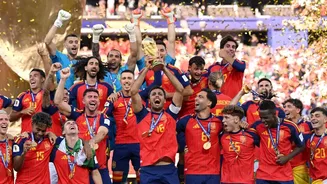
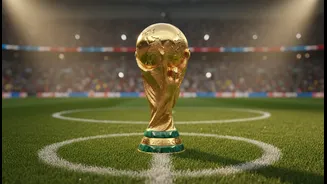
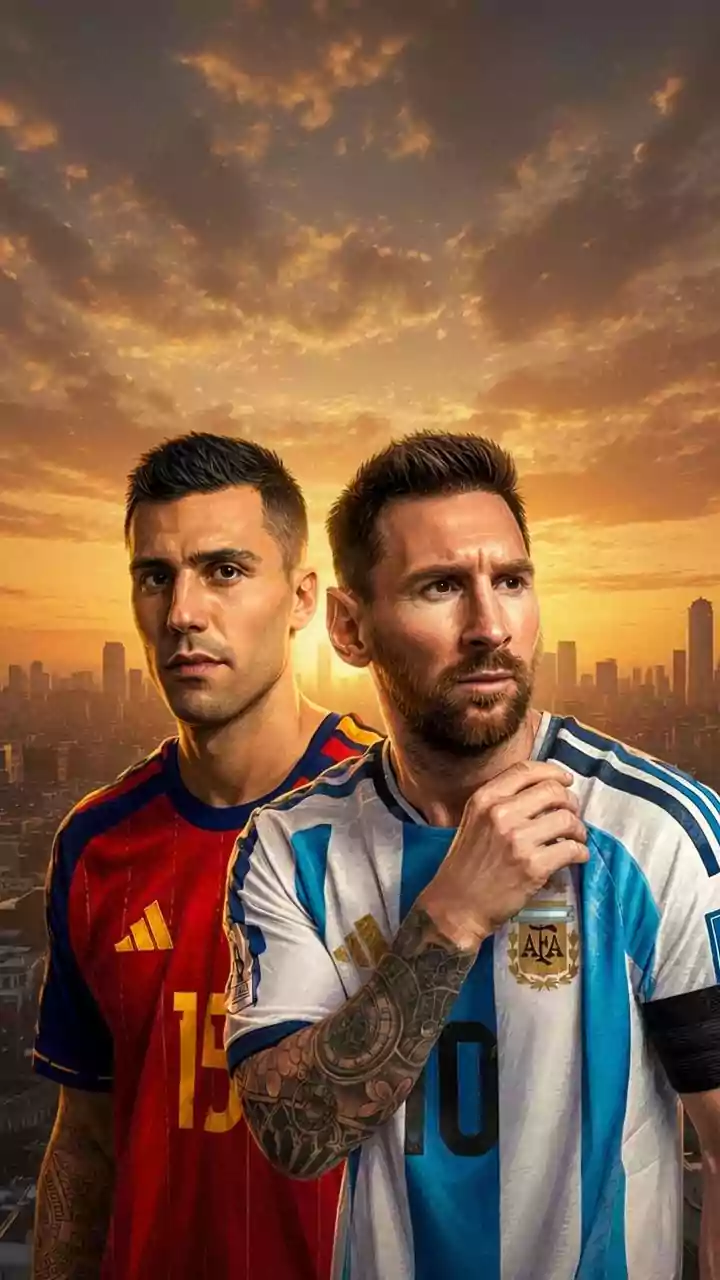
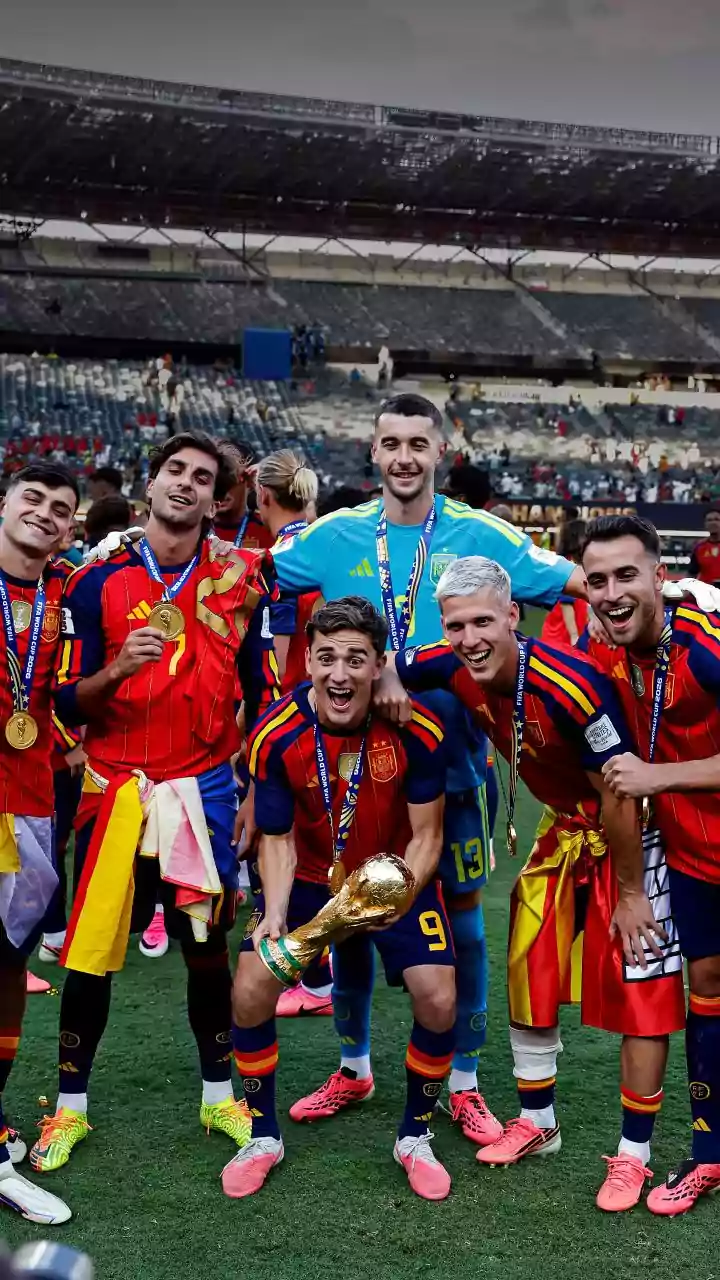
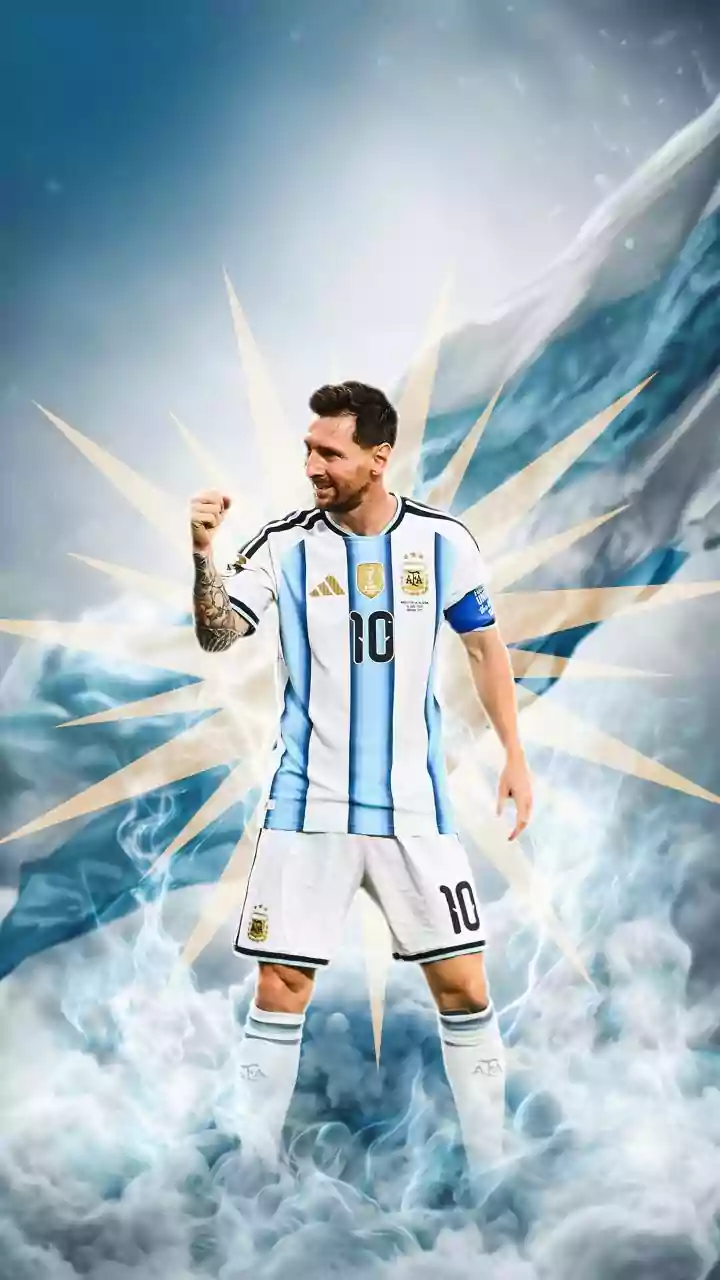
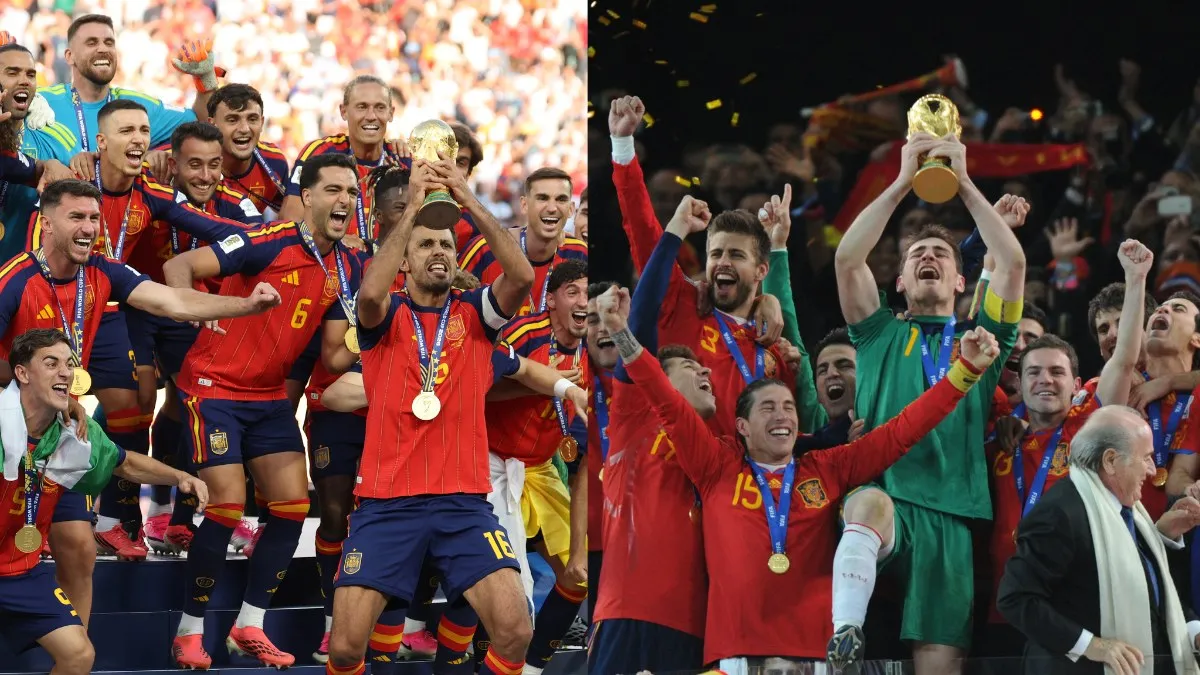
in a World Cup final. Spain took 20 shots to Argentina's three, controlling the game but unable to break through. The turning point came late in normal time when Argentina's Enzo Fernández was sent off for a second yellow card. Finally, in the 106th minute, substitute Ferran Torres found the breakthrough, volleying home to secure Spain's second World Cup. The victory denied a 39-year-old Lionel Messi a fairytale ending to his World Cup career and cemented this Spanish side, also the reigning European champions, in the history books.
The Expansive, Controversial Format
This World Cup was the biggest ever, with 48 teams competing across three host nations: the USA, Canada, and Mexico. On one hand, this expansion delivered on its promise of more goals and shattered attendance records, with nearly seven million fans attending matches. On the other, the logistics were a challenge. Teams and supporters faced immense travel distances, and critics pointed to the carbon footprint of a tournament spread across an entire continent. While the new format provided Cinderella stories like the debut of Cape Verde, it also led to many one-sided group stage matches. Several controversies dogged the tournament, from exorbitant ticket prices to debates over mandatory 'hydration breaks' being used for extra commercial time.
On-Pitch Drama and Record Books
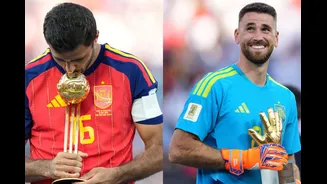
From a purely sporting perspective, the tournament delivered. Spain became the first nation to hold both the men's and women's World Cup titles simultaneously, a remarkable feat. Their defence was record-breaking, conceding only one goal throughout the entire tournament. Individually, Spain swept the major awards, with captain Rodri winning the Golden Ball for best player, Unai Simón the Golden Glove for best goalkeeper, and Pau Cubarsí the Young Player Award. The Golden Boot for the top scorer, however, went to France's Kylian Mbappé for the second consecutive tournament. The final itself, while a tactical and tense affair, concluded a knockout stage that was filled with drama, including Argentina's late semifinal victory over England.
The Verdict: A Complicated Success
So, was it a success? The answer is complex. From a commercial and attendance standpoint, absolutely. FIFA President Gianni Infantino hailed the tournament's resounding financial success. The on-field action, culminating in a final between the champions of Europe and South America, provided a compelling narrative. Spain's victory, built on a foundation of technical excellence, made them deserving champions. However, the tournament's legacy will also be defined by its excesses. The logistical and environmental strains of the tri-nation format cannot be ignored, and many fans felt priced out. It was a tournament that showcased football's global appeal while also highlighting the challenges of staging such a massive event. It was spectacular, chaotic, and controversial all at once.