



A Frustrating Stalemate
India entered the final day of the second Test against Sri Lanka needing just four wickets to seal a 2-0 series sweep. They had dominated for large parts, posting a mammoth 503/9 declared and enforcing the follow-on after bundling the hosts out for 290.
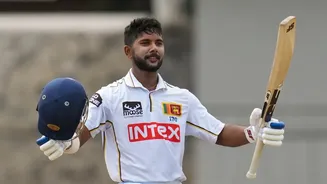
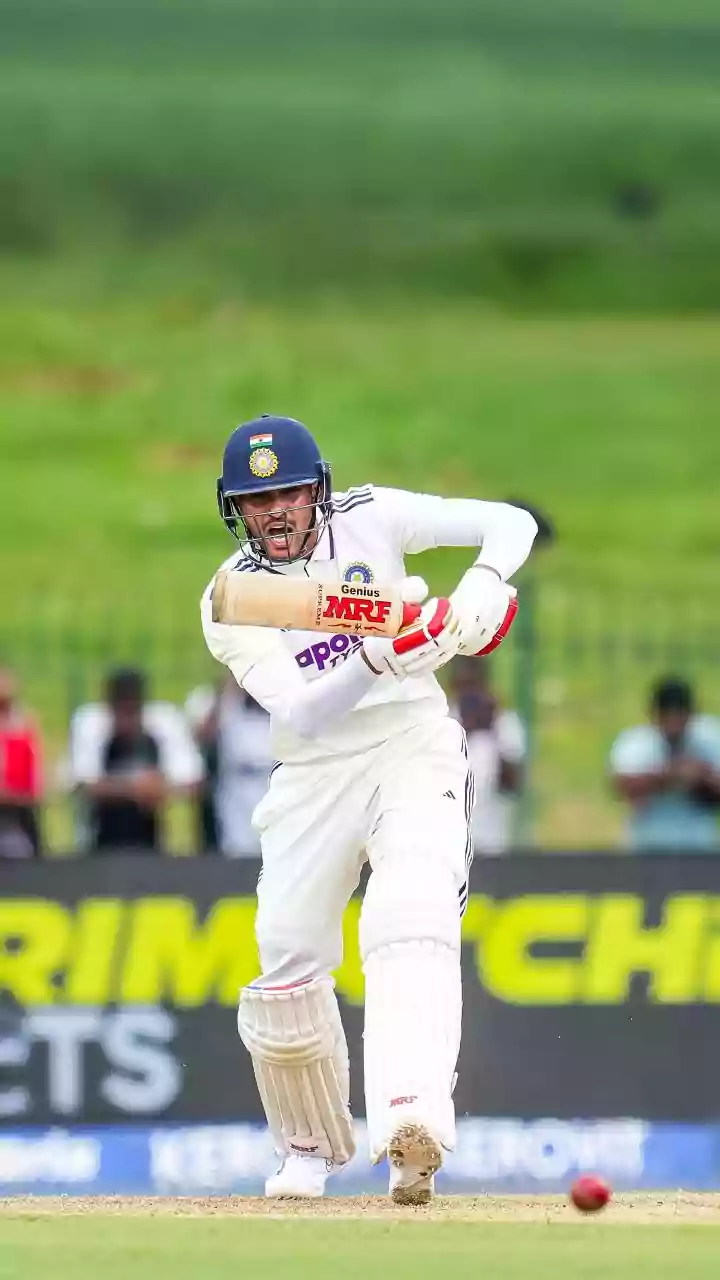
Yet, when the players shook hands late on Thursday, the result was a draw. A heroic unbeaten century from Sonal Dinusha and a stunningly resilient lower-order performance from Sri Lanka denied India the win. While India won the series 1-0, the draw felt more like a loss, primarily because of the eight World Test Championship (WTC) points that went begging. India's PCT dropped from 53.33% to 51.52%, keeping them in fifth place and making their path to the WTC final that much harder. This has inevitably led to scrutiny of every decision made, with the spotlight falling squarely on stand-in captain Shubman Gill.
The Follow-On and Field Placings
Gill’s first major call was enforcing the follow-on, a decision that is always a calculated risk. With India's bowlers having already toiled for nearly 90 overs, asking them to go again immediately was a big ask, especially on a pitch that remained good for batting. The threat of rain likely influenced this aggressive move, as batting again would have consumed precious time. However, the real criticism came on Day 4. As Sri Lankan batters Pasindu Sooriyabandara and Kamindu Mendis launched a counter-attack, Gill’s captaincy came under fire. Former India batter Cheteshwar Pujara noted that Gill went defensive too early, spreading the field and allowing the pressure to ease. This allowed Sri Lanka to build a substantial partnership and claw their way back into the game, a critique echoed by others who felt a more attacking approach was needed to hunt for wickets.
A Tale of Two Stubborn Partnerships
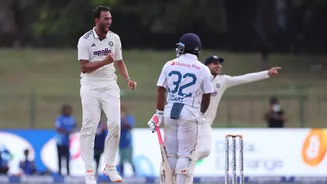
While tactical debates will rage, the sheer grit of the Sri Lankan batters cannot be overlooked. On Day 5, needing four wickets, India ran into a wall. First, Sonal Dinusha and Keshara Nuwantha forged a century stand for the seventh wicket, batting through the entire morning session. After India finally broke through, another partnership blossomed. Dinusha found an unlikely ally in Lahiru Kumara for the ninth wicket. Together, they survived for 169 deliveries, adding only 47 runs but, crucially, eating up time and dashing India’s hopes. Kumara himself faced 90 balls for his 12 runs, an incredible display of defensive resolve that frustrated the Indian attack. The pitch offered little assistance to the bowlers, a point some analysts made in Gill's defence, arguing that conditions were simply too flat for a result.
Exposed or a Harsh Lesson?
So, was Shubman Gill’s captaincy truly exposed? The term 'exposed' feels too strong for a young captain still finding his feet. It would be more accurate to say his inexperience was tested in high-pressure situations. His defensive field settings when Sri Lanka counter-attacked suggested a reactive rather than proactive approach. Perhaps a more seasoned captain might have rotated the bowlers differently or maintained attacking fields for longer. Former bowler Venkatesh Prasad suggested Gill didn't give his spinners long enough spells to build pressure. However, Gill himself defended his team's efforts, stating they did everything they could and that Sri Lanka simply batted brilliantly. This wasn't a catastrophic failure but a harsh, public lesson in the unforgiving nature of Test captaincy, where a single session can turn a match on its head.