

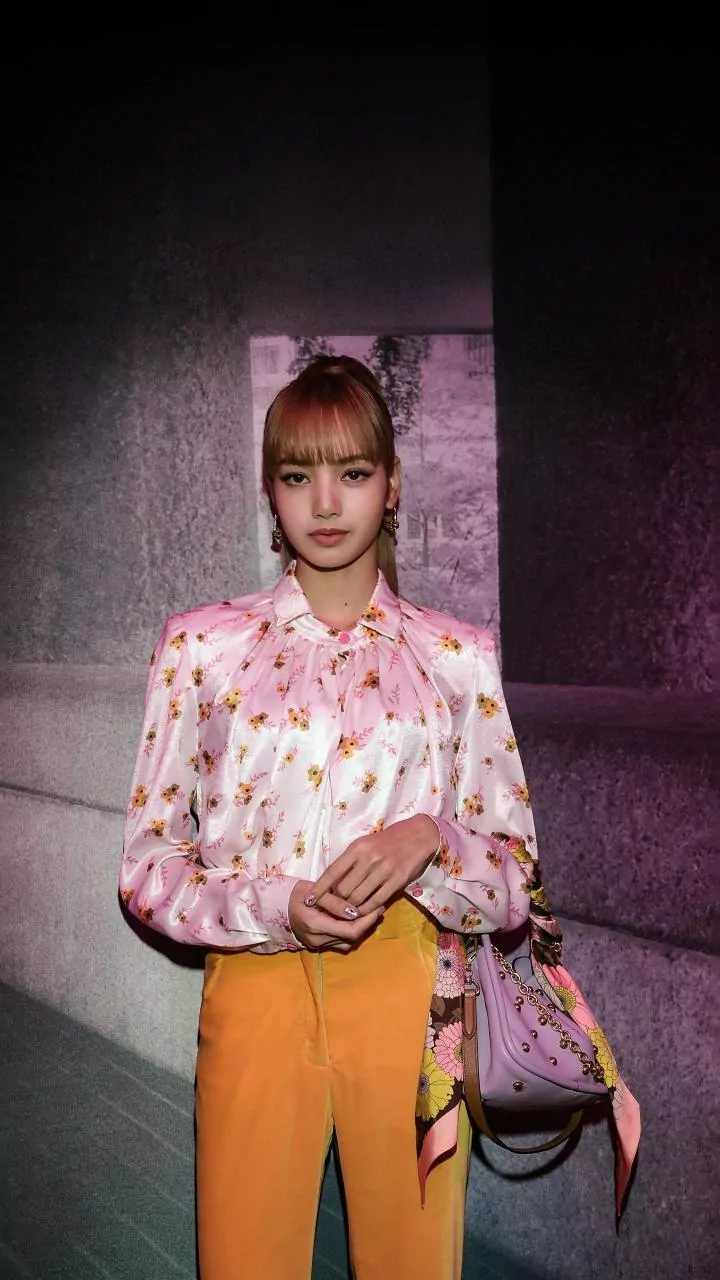


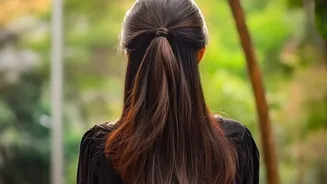
The Real Problem with Your Ponytail
That familiar pulling sensation isn't just in your head. Traditional elastic hair ties, especially those with metal clasps, concentrate pressure on a small area of your hair shaft. This constant tension can lead to several issues. Firstly, it causes mechanical
damage and breakage, which is why you might notice shorter, frayed hairs around the area where you typically secure your ponytail. Secondly, it can trigger tension headaches by constantly pulling on the sensitive nerves in your scalp. In more severe cases, persistent tight styling can even lead to a type of hair loss called traction alopecia, particularly around the hairline. Furthermore, tying your hair up when it's wet is a major misstep, as wet hair is more fragile and prone to snapping under tension.
Choose Your Hair Tie Wisely
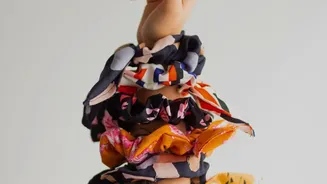
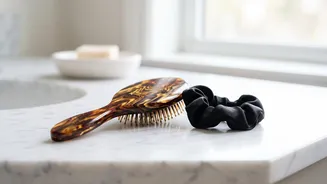
The single most effective change you can make is upgrading your hair tie. Ditch the basic rubber and metal-fastened elastics for gentler alternatives. Silk or satin scrunchies are a top-tier choice because their smooth, soft fabric allows hair to glide without snagging, which reduces friction, breakage, and frizz. Spiral or coil hair ties, which resemble old telephone cords, are another excellent option. Their unique shape distributes pressure more evenly, preventing those deep dents and holding hair securely without needing to be excessively tight. For very thick or natural hair, adjustable snap-style ties or wide, soft fabric bands can provide a secure hold without the damaging tension of a traditional elastic.
Mastering the Art of a Gentle Updo
How you tie your hair is just as important as what you use. The number one rule is to avoid pulling your hair too tight. A good guideline is the 'two-finger rule': you should be able to comfortably slide two fingers between your scalp and the base of your ponytail. Try to vary the position of your ponytail daily—switching between high, mid, and low styles prevents stressing the same strands repeatedly. When removing your hair tie, never rip it out. Instead, carefully unwind it loop by loop to prevent tearing out tangled hairs. For small elastic bands used in braids, a special tool called a pony pick can cut the band for safe, damage-free removal.
Comfortable Styles Beyond the Basic Pony
Give the high, tight ponytail a rest and explore other comfortable and stylish updos. A loose, low bun at the nape of the neck is a chic and gentle option that distributes weight comfortably. Similarly, loose braids—whether a single braid down the back or a side braid—are protective styles that keep hair contained without straining the scalp. Claw clips have made a major comeback for a reason; they can secure a twist or half-up style with minimal tension and even distribution of weight. For sleeping, consider a 'pineapple' style, where you loosely gather your hair at the very top of your head with a silk scrunchie to protect it overnight.
Don't Forget to Give Your Hair a Break
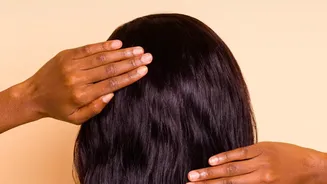
Even with the gentlest ties and techniques, your hair and scalp need recovery time. Make it a habit to wear your hair down for at least a few hours every day to relieve all tension. Sleeping with your hair loose is ideal, but if you must tie it up, opt for a loose style and consider sleeping on a silk or satin pillowcase. These materials create less friction than cotton, meaning your hair glides over the surface as you move, further reducing the risk of tangles and breakage overnight. Giving your scalp a gentle massage can also help stimulate blood flow and relieve any lingering tension from a day of being tied up.