







The Science Behind the Danger
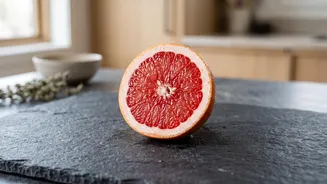
The core of the issue lies with a family of chemicals called furanocoumarins. These natural compounds are found in grapefruit and several other citrus fruits. They interfere with a crucial enzyme in our small intestine known as CYP3A4. The job of CYP3A4 is to
break down, or metabolise, many medications before they enter the bloodstream. This is a normal process that doctors account for when prescribing a specific dose. However, furanocoumarins block this enzyme. When CYP3A4 is inhibited, much more of the drug can pass from your gut into your bloodstream than intended. This can cause blood levels of the medication to rise dramatically, sometimes tripling or quadrupling the effective dose.
An 'Overdose' From a Normal Pill
The term 'overdose' here doesn't mean taking too many pills. It means the concentration of a drug in your body becomes dangerously high, even from a single, correctly prescribed dose. The result is an increased risk for severe side effects. For example, with certain statin drugs used to lower cholesterol, this interaction can lead to muscle damage and kidney failure. With some blood pressure medications, it can cause a sharp drop in blood pressure, dizziness, and an irregular heartbeat. For other drugs, the effects can range from excessive drowsiness to more life-threatening complications. The interaction begins within hours of consuming the fruit and its effects can last for several days, meaning you can't simply space out your medication and your citrus snack.
It's More Than Just Grapefruit
While grapefruit is the most famous culprit, it is not alone. Several other citrus fruits contain the same problematic furanocoumarins. These include Seville oranges (often used in marmalades), pomelos, tangelos (a hybrid of tangerine and grapefruit or pomelo), and limes. On the other hand, common sweet oranges, like navel or Valencia varieties, do not contain these compounds and are considered safe to consume with medications. It’s worth noting that even a small amount, like a single whole grapefruit or a 200 ml glass of juice, is enough to cause a clinically significant interaction.
Which Medications Are at Risk?
The list of medications known to interact with these citrus fruits is long and growing, currently standing at over 85 drugs. Not all drugs in a class will be affected, but many commonly prescribed medications are on the warning list. Key categories include: certain statins for cholesterol like atorvastatin (Lipitor) and simvastatin (Zocor); some blood pressure medications like nifedipine; organ transplant rejection drugs like cyclosporine; and some medications for anxiety, such as buspirone. The U.S. Food and Drug Administration requires that some prescription and over-the-counter drugs carry warning labels about the interaction. Always check the information provided with your medicine.
A Different Kind of Interaction
Interestingly, some studies show that grapefruit, orange, and apple juices can have the opposite effect on a few specific drugs. Instead of blocking an enzyme, the juice can block transporters in the body that help move a drug into our cells for absorption. This leads to less of the medication entering the blood, making it less effective. A prime example is the popular allergy medication fexofenadine (Allegra), which can be rendered less effective if taken with fruit juices. The label for this drug specifically advises taking it only with water.
How to Stay Safe
Given the serious risks, awareness is your best defence. If you take any prescription medication, especially for chronic conditions, it's vital to have a conversation with your doctor or pharmacist. Ask them directly if any of your medications interact with grapefruit or other citrus fruits. Read the patient information leaflet that comes with your medicine, as it will list any known food interactions. Do not simply stop taking your medication. If an interaction is possible, your doctor can advise you on dietary changes or prescribe an alternative, non-interacting medication from the same class. Remember that the interaction applies to all forms of the fruit, including fresh-squeezed juice, concentrate, and the whole fruit itself.