



A Team in Need of a Spark
By late 1982, Indian cricket was at a crossroads. The team was led by the legendary Sunil Gavaskar, a batsman of immense stature and the first to cross 10,000 runs in Test cricket. However, the team's results were far from stellar, especially abroad.
A disastrous tour of Pakistan in 1982-83, which India lost 0-3, highlighted the team's struggles. Despite Gavaskar's own consistent run-scoring, India had become a team that drew many matches but won few. Between 1979 and 1983, India won only two ODI series out of seven, both on home soil. The prevailing style was cautious and attritional, built around Gavaskar’s own technically perfect, defensive batting. The selectors and the public felt a change was needed to inject new energy and fight into the squad.
The Rise of the 'Haryana Hurricane'
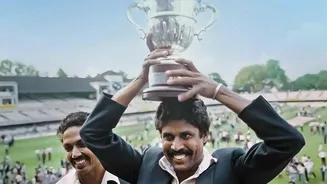
In stark contrast to the team's defensive posture stood Kapil Dev. The 'Haryana Hurricane' was a phenomenon unlike any India had seen: a genuine fast-bowling all-rounder who played with infectious enthusiasm and aggression. He could turn a game with either the bat or the ball. Since his debut in 1978, he had become the spearhead of the Indian bowling attack and a hard-hitting, counter-attacking middle-order batsman. His charisma was palpable, and his on-field approach was fearless. While Gavaskar represented technical mastery and resilience, Kapil embodied a new, dynamic brand of cricket. He was young, supremely confident, and led by example, playing with a natural flair that the team desperately seemed to lack.
The Selectors' Bold Gamble
The decision to change captains came ahead of the 1983 tour of the West Indies, just a few months before the World Cup. The selection committee, headed by Ghulam Ahmed, made the audacious move to replace Gavaskar with the 23-year-old Kapil Dev. It was a clear signal that they were looking for a shift in mindset. They gambled on Kapil's aggressive instincts and his ability to inspire the team through his own all-action performances. The thinking was that a new, younger leader might be able to get more out of a talented but underperforming group of players. It was a move away from the established order and a bet on a more proactive and fearless style of leadership that Kapil naturally possessed.
A Contentious but Inspired Decision
The transition was not entirely smooth. The captaincy had already been a point of contention, with multiple exchanges between Gavaskar and Kapil. The initial results under Kapil's leadership were mixed. On the tour of the West Indies just before the World Cup, India lost the Test series, though they did manage a lone ODI victory that reportedly boosted the team's confidence. Many questioned the wisdom of burdening the team's star all-rounder with the pressures of captaincy, especially for a major tournament where India were considered massive underdogs with 66-to-1 odds. Gavaskar, for his part, played under Kapil, offering his vast experience. The decision could have easily backfired, putting immense pressure on the young captain.