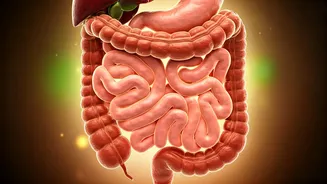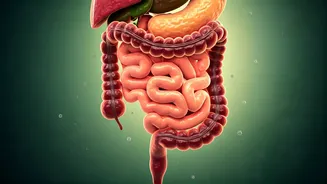








The Gut-Wrenching Reality of Modern Life
For generations, the Indian diet was inherently balanced. But modern lifestyles have changed that. Increased stress, a reliance on processed and refined foods, and irregular eating schedules have taken a toll on our collective digestive system. Issues
like acidity, bloating, and indigestion are no longer occasional complaints but chronic problems for many. This growing awareness, coupled with a rise in lifestyle-related ailments, has pushed many Indians to look for solutions not in medicine cabinets, but in their kitchens. It's a return to the idea that food is the first form of medicine, and a healthy gut is the foundation of overall well-being.
What is a 'Digestive Health' Diet?
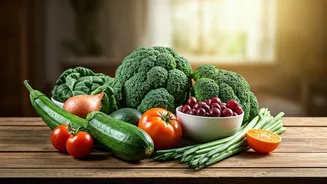
This isn’t about adopting a strict, foreign diet plan. Instead, it’s about rediscovering the wisdom of our own culinary heritage. A digestive-friendly Indian diet focuses on whole, unprocessed foods that are easy to digest and rich in nutrients. The core principles are simple: increase fibre, incorporate probiotics, choose mindful cooking methods, and listen to your body. It prioritizes balance over restriction. It’s not about cutting out entire food groups, but about making smarter choices—like swapping refined flour for whole grains or ensuring every meal has a component of fresh vegetables.
Embrace the Power of Fermentation
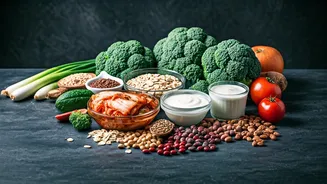
Indian cuisine is naturally rich in fermented foods, which are fantastic sources of probiotics—the 'good' bacteria that keep your gut happy. Think beyond just a bowl of dahi. Classic dishes like idli, dosa, and dhokla are all made from fermented batters that are light on the stomach and promote healthy digestion. Traditional drinks like buttermilk (chaas) after a meal or rice-water kanji are excellent for soothing the digestive tract. Making these foods a regular part of your diet is one of the easiest and most effective ways to support your gut microbiome without needing expensive supplements.
Return to Your Roots with Millets
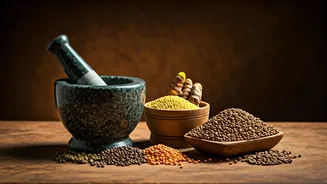
For decades, refined wheat and rice dominated our plates. But now, ancient grains are making a powerful comeback. Millets like jowar, bajra, and ragi are gluten-free and packed with dietary fibre, which is essential for regular bowel movements and preventing constipation. They also have a low glycemic index, meaning they release sugar into the bloodstream slowly, preventing energy spikes and crashes. You can easily incorporate them into your diet by making rotis from millet flour, using them to create a hearty porridge or upma, or even adding them to salads for extra texture and nutrition.
Spices Are Your Stomach's Best Friends
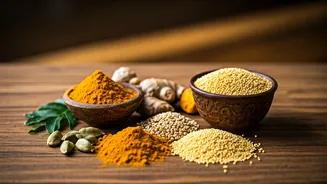
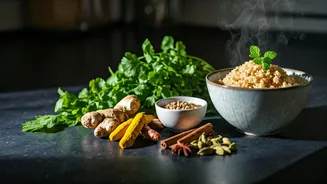
The Indian spice box is a treasure trove of digestive aids. These are not just for flavour; they have powerful medicinal properties. Turmeric (haldi) is a potent anti-inflammatory that can soothe the gut lining. Ginger (adrak) is famous for relieving nausea and indigestion. Cumin (jeera) stimulates the production of digestive enzymes, while fennel (saunf) is a classic mouth freshener that also helps reduce gas and bloating. Simply using these spices generously in your daily cooking or steeping them into a tea can make a significant difference to your digestive comfort.
Simple Swaps for a Happy Gut
Making a change doesn’t have to be overwhelming. Start with small, sustainable swaps. Drink a glass of water before each meal to aid digestion. Choose seasonal, local vegetables and cook them lightly to preserve their nutrients. Practice mindful eating: chew your food thoroughly and eat without distractions like your phone or TV. This simple act gives your brain time to register fullness and helps your stomach process food more efficiently. Instead of a sugary dessert, end your meal with a small piece of jaggery, which is known to activate digestive enzymes.