



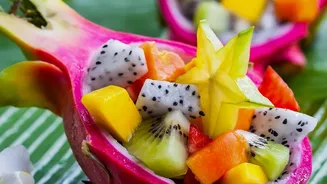


In the kingdom of tropical fruits, mango and papaya reign supreme. Both are beloved for their sweet, vibrant flesh, but which one packs a better nutritional punch? This isn't about crowning a winner, but understanding what each uniquely offers.
The Calorie and Sugar Question
When it
comes to managing weight or sugar intake, there's a clear distinction. Papaya is the lighter option, with approximately 43 calories and 7.8 grams of sugar per 100-gram serving. Mango is denser and sweeter, containing around 60 calories and 13.7 grams of sugar for the same amount. While both are healthy, papaya's lower calorie and sugar load make it a favourable choice for those closely monitoring their energy intake. It’s also important to consider the glycemic index (GI), which measures how quickly a food raises blood sugar. Studies show some variability, but mango generally has a lower GI (around 51) compared to papaya (around 59), meaning it may cause a slower, more gradual rise in blood sugar levels.
A Vitamin and Antioxidant Powerhouse
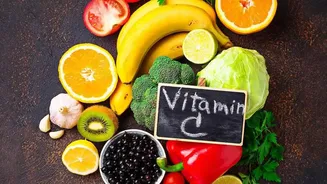
Both fruits are exceptional sources of vitamins, but they shine in different areas. Papaya is a Vitamin C champion, providing about 61 mg per 100g, which is more than mango's 36.4 mg. This makes papaya a fantastic choice for boosting your immune system. On the other hand, mango is a clear winner for Vitamin A, an essential nutrient for eye health and immune function. Mango also provides more Vitamin E, Vitamin K, and folate, which is crucial during pregnancy. Beyond vitamins, both fruits contain powerful antioxidants. Mango is rich in mangiferin, a polyphenol studied for its anti-inflammatory and antioxidant properties. Papaya contains lycopene, another potent antioxidant also found in tomatoes.
Fiber and The Digestive Advantage
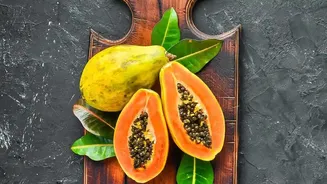
For digestive health, both fruits are excellent due to their fiber content, with each providing a similar amount—roughly 1.6 to 1.7 grams per 100g. Fiber is crucial for maintaining regular bowel movements and a healthy gut. However, papaya holds a unique advantage: it contains a special enzyme called papain. Papain is a proteolytic enzyme, meaning it helps break down proteins, which can aid digestion, particularly after a heavy meal. This enzyme is so effective that it's often used as an ingredient in digestive supplements to help reduce symptoms like bloating and gas. While raw mango also supports digestion by helping to reduce acidity, papaya's enzymatic action gives it a distinct edge in this category.
Minerals and Overall Micronutrients
When comparing their mineral content, the differences are more subtle but still noteworthy. Both fruits are good sources of potassium, which is important for heart health and blood pressure regulation, with papaya having a slight edge. Papaya also contains more calcium than mango. However, mango leads in its copper content, a mineral that supports brain health and helps the body form red blood cells. Overall, both fruits contribute valuable minerals to a balanced diet, and rotating between them is a great way to ensure you're getting a wide array of these essential micronutrients.
Making The Choice For Your Health Goals
So, which fruit should you choose? The answer depends entirely on your personal health objectives. If your goal is weight management or reducing sugar intake, papaya's lower calorie count and sugar content make it an excellent pick. If you're focused on boosting your immunity, especially during cold and flu season, papaya's high Vitamin C content is a major plus. For those looking to improve digestion, the papain in papaya offers a unique benefit. Conversely, if you want to enhance your intake of Vitamin A for better vision, or need more folate, mango is the superior option. Its higher antioxidant content, particularly mangiferin, also makes it a powerful choice for fighting inflammation. And if you're managing blood sugar, mango's slightly lower glycemic index might be more suitable.