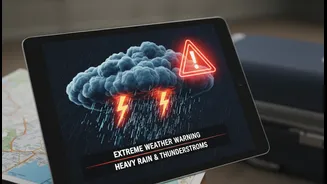









The Reality of Monsoon Travel in July
July is peak monsoon season across large parts of India. While this means breathtaking greenery, it also brings a high risk of travel disruption. As of early July 2026, the southwest monsoon is active across the country, with the IMD forecasting widespread
rainfall. Recent days have seen heavy to extremely heavy rainfall in regions like Mumbai, Konkan, Goa, and parts of Karnataka, leading to significant travel chaos. Airlines have issued travel advisories due to flight disruptions, and heavy downpours have caused waterlogging and traffic snarls in major cities like Delhi and Mumbai. Events like these are not isolated; they are a recurring feature of the season, making it essential for travellers to be informed and prepared for delays, cancellations, and hazardous conditions.
Why the IMD is Your Most Crucial Tool
While countless weather apps are available, the India Meteorological Department (IMD) is the official government agency responsible for meteorological observations and weather forecasting. Its alerts are not just generic predictions; they are specific, location-based warnings designed to inform public and disaster management authorities about the potential impact of weather. When the IMD issues an alert for heavy rainfall, it considers the potential for landslides in hilly areas, flash floods in low-lying regions, and widespread disruption to transport and power supply. For a traveller, this information is far more valuable than a simple rain icon on a smartphone app. It provides a clear indication of potential dangers and the level of precaution required.
Decoding the IMD’s Colour-Coded Alerts
The IMD uses a simple, four-colour system to communicate the severity of expected weather, making it easy to understand the risk at a glance. Green (No Advisory): This means all is well and no severe weather is expected. You can proceed with your plans without any weather-related concerns. Yellow (Be Aware): This indicates the possibility of bad weather. It serves as a heads-up to keep an eye on the situation, as conditions could worsen and cause disruptions. Orange (Be Prepared): This is a serious warning. It signifies that extremely bad weather is very likely, with the potential to disrupt travel, communications, and power. Travellers should be prepared to alter their plans. Red (Take Action): This is the highest level of alert, indicating that extremely severe weather is expected, posing a significant risk to life and property. Under a red alert, you should avoid travel and take immediate steps to ensure your safety.
How to Access and Use IMD Information
Accessing official warnings is straightforward. The primary source is the IMD’s official website, `mausam.imd.gov.in`. Here, you can find district-wise warnings, forecasts, and the colour-coded alerts for your specific destination. The department also issues press releases and bulletins that are widely covered by news media, especially during severe weather events. Additionally, the IMD has official mobile apps, such as 'Mausam', which provide location-specific forecasts and warnings directly on your phone. Before you travel, make it a habit to check the daily forecast for your entire route. If you see a Yellow alert, monitor the situation closely. If an Orange or Red alert is issued for your destination, you should seriously reconsider your travel plans.
Planning for a Safe and Flexible Trip
Using IMD alerts allows you to build a smarter, more resilient travel plan. Instead of rigid bookings, opt for flexible or refundable options for flights and accommodation where possible. Always have a backup plan, especially if you are travelling to hilly or coastal areas prone to landslides and flooding. Pack appropriately with waterproof gear, an emergency kit, and a power bank. Inform your family or friends about your itinerary and stay in touch. While travelling, continue to monitor local news and official advisories. Many disruptions, such as road closures or train cancellations, are announced in response to IMD warnings. Being forewarned allows you to adapt, whether that means choosing an alternative route, delaying your departure by a day, or enjoying a cup of chai while you wait safely for the weather to clear.