

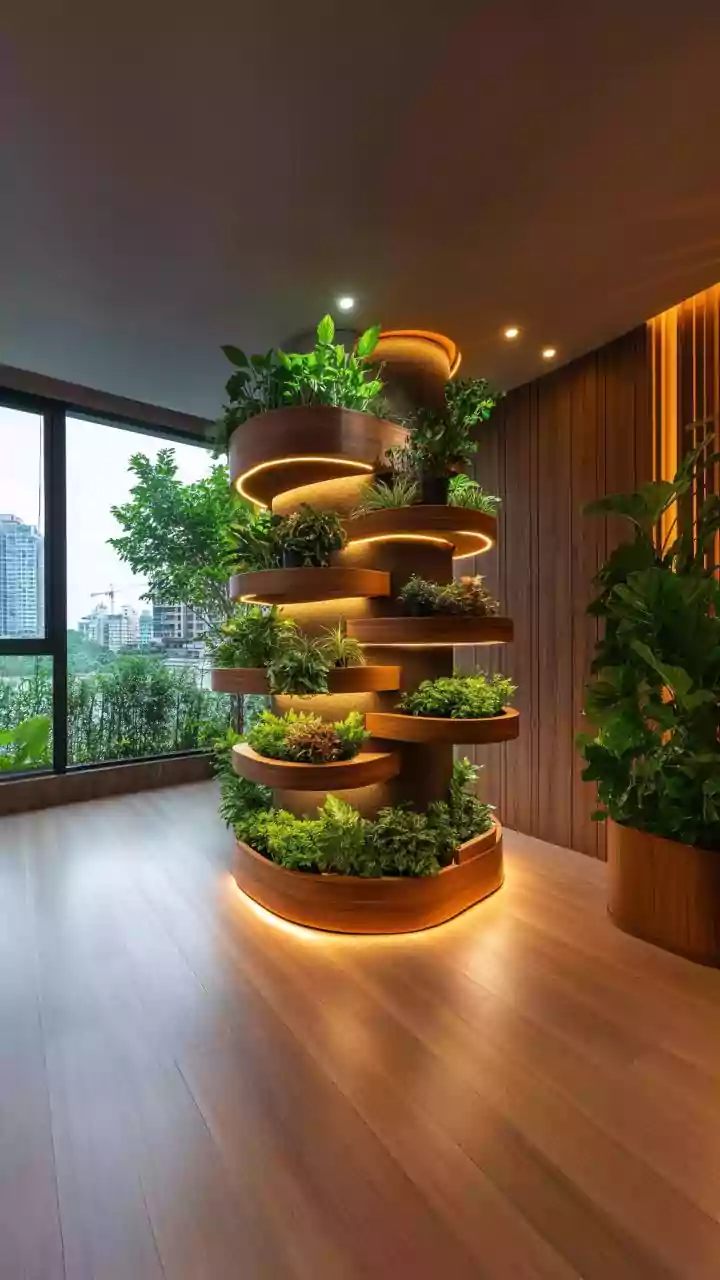





More Than Just a Hobby
For years, a small garden on the terrace was a pleasant pastime, a way to add a splash of green to an urban home. But in the face of rising temperatures and increasingly extreme weather events, this simple act has taken on a new, urgent significance.
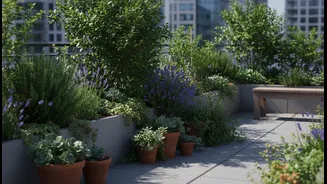
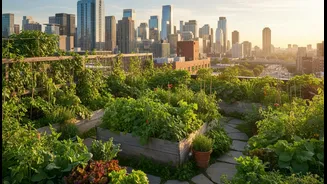
Terrace gardening is no longer just about aesthetics; it has become a practical and accessible component of climate-smart living. This approach involves adopting strategies that reduce our environmental footprint and build resilience against climate change. In cities, this means rethinking how we use every available space, and the humble rooftop has emerged as a frontline in the battle for a more sustainable future.
Cooling Our Concrete Jungles
One of the most pressing issues for Indian cities is the 'urban heat island' effect, where dense concentrations of buildings and roads absorb and retain far more heat than natural landscapes. This leads to significantly higher temperatures in cities compared to surrounding rural areas. Terrace gardens offer a direct solution. Through shading and a natural process called evapotranspiration, vegetation can dramatically cool the air. Studies have shown that a green roof can lower surface temperatures by a staggering amount, making buildings more comfortable and reducing the reliance on energy-guzzling air conditioners. This not only saves money but also cuts down on greenhouse gas emissions, creating a virtuous cycle.
A Larder on Your Rooftop
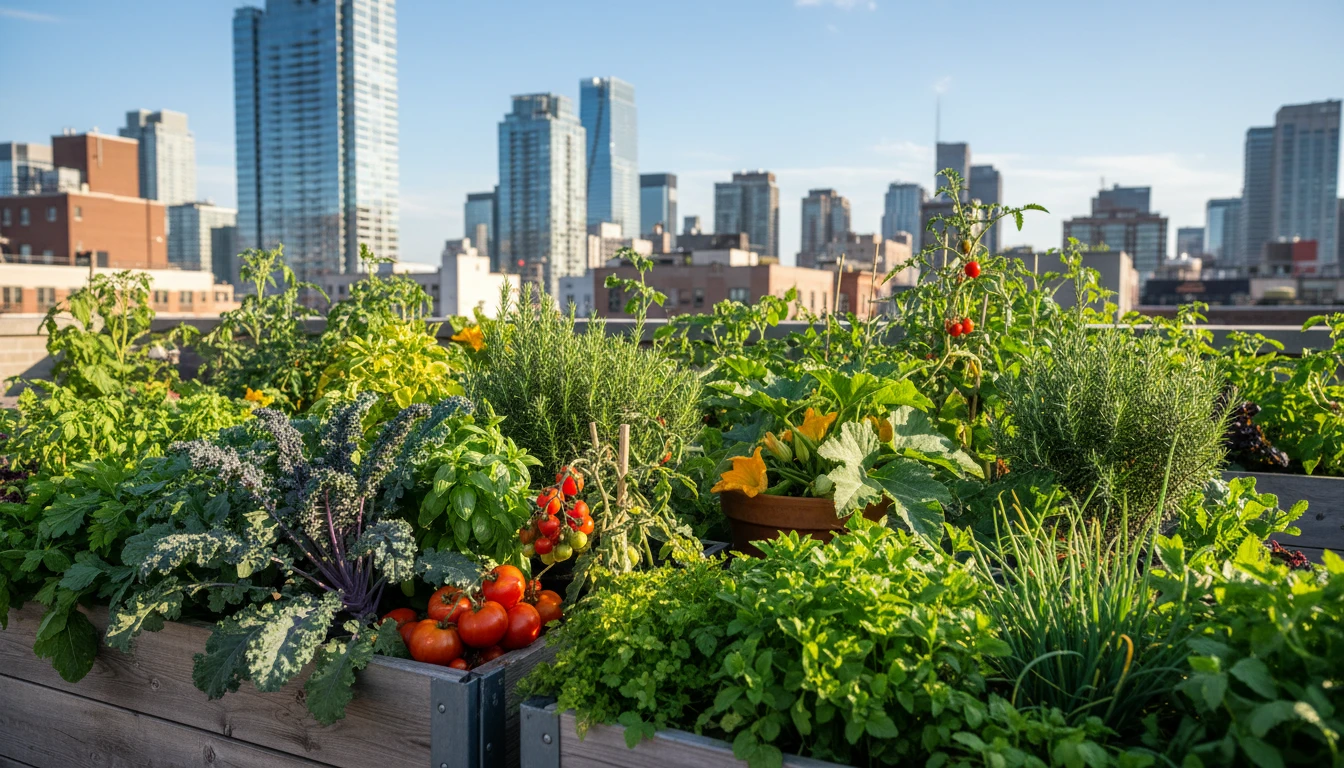
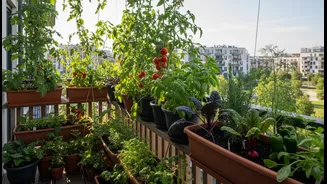
Beyond temperature control, rooftop gardens are transforming urban food systems. In a country where food safety and supply chain vulnerabilities are growing concerns, the ability to grow your own produce is a game-changer. Terrace gardens provide families with access to fresh, pesticide-free vegetables and herbs right at their doorstep. This reduces 'food miles'—the distance food travels from farm to plate—and the associated carbon footprint. What starts as a few pots of tomatoes, chillies, and brinjal can quickly become a significant source of household nutrition, enhancing food security and promoting healthier eating habits.
Creating Urban Sanctuaries
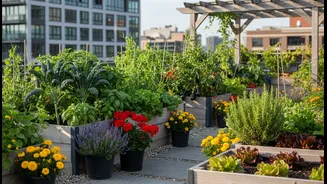
The benefits extend beyond the physical. These green spaces serve as mini-ecosystems in otherwise sterile urban environments. They attract birds, bees, and butterflies, supporting biodiversity that is crucial for a healthy planet. For city dwellers, they also offer a much-needed connection to nature, with proven benefits for mental health and stress reduction. A terrace garden can become a peaceful retreat from the hustle and bustle of city life, a place for relaxation, and even a social hub where neighbours can connect over a shared interest in sustainability.
The Practical Path to Going Green
Starting a terrace garden does require some planning. Key considerations include the load-bearing capacity of the roof, proper waterproofing to prevent leaks, and efficient water management. However, modern solutions have made these challenges easier to overcome. Using lightweight growing mediums like coco-peat instead of heavy soil, installing drip irrigation systems to conserve water, and choosing appropriate containers are all effective strategies. Many state governments and NGOs are also now actively promoting urban farming, sometimes offering subsidies and guidance to help residents get started.