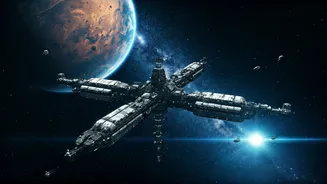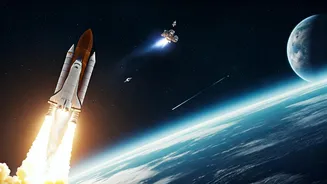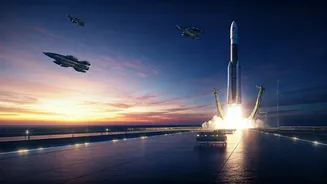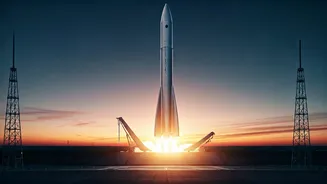




Not Your Grandfather’s Space Race
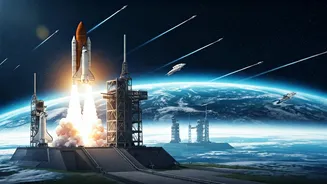
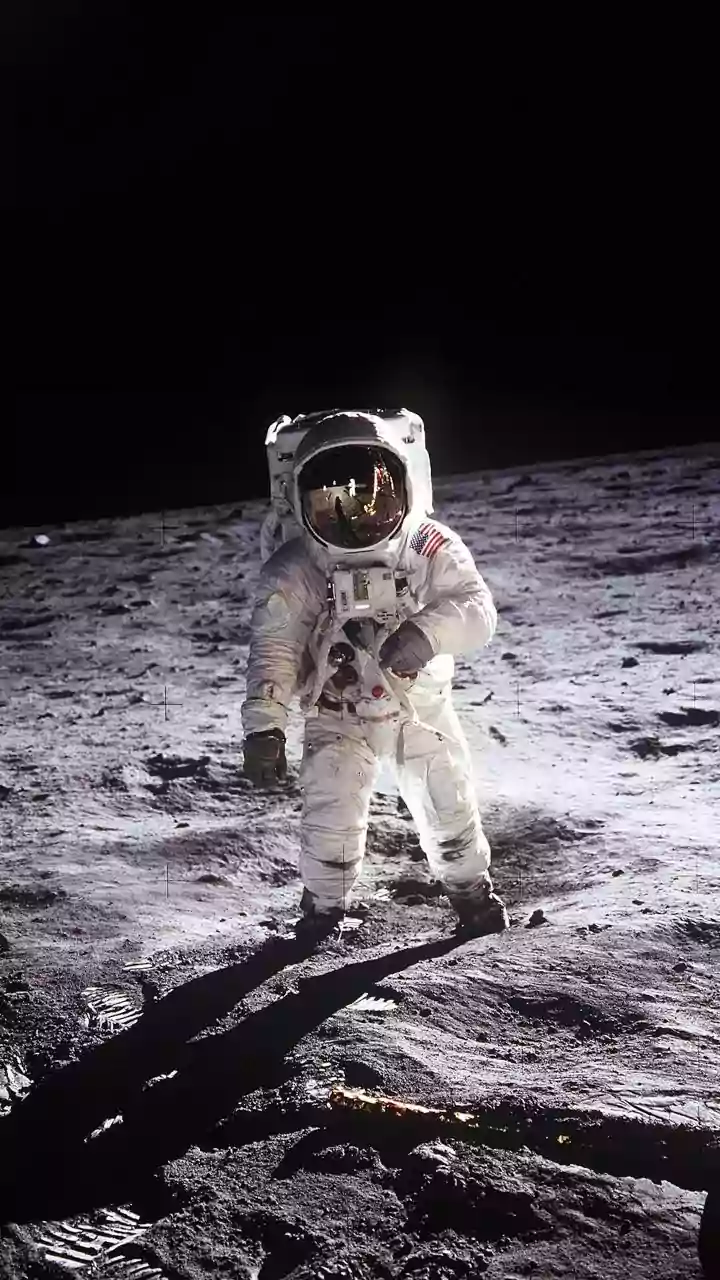
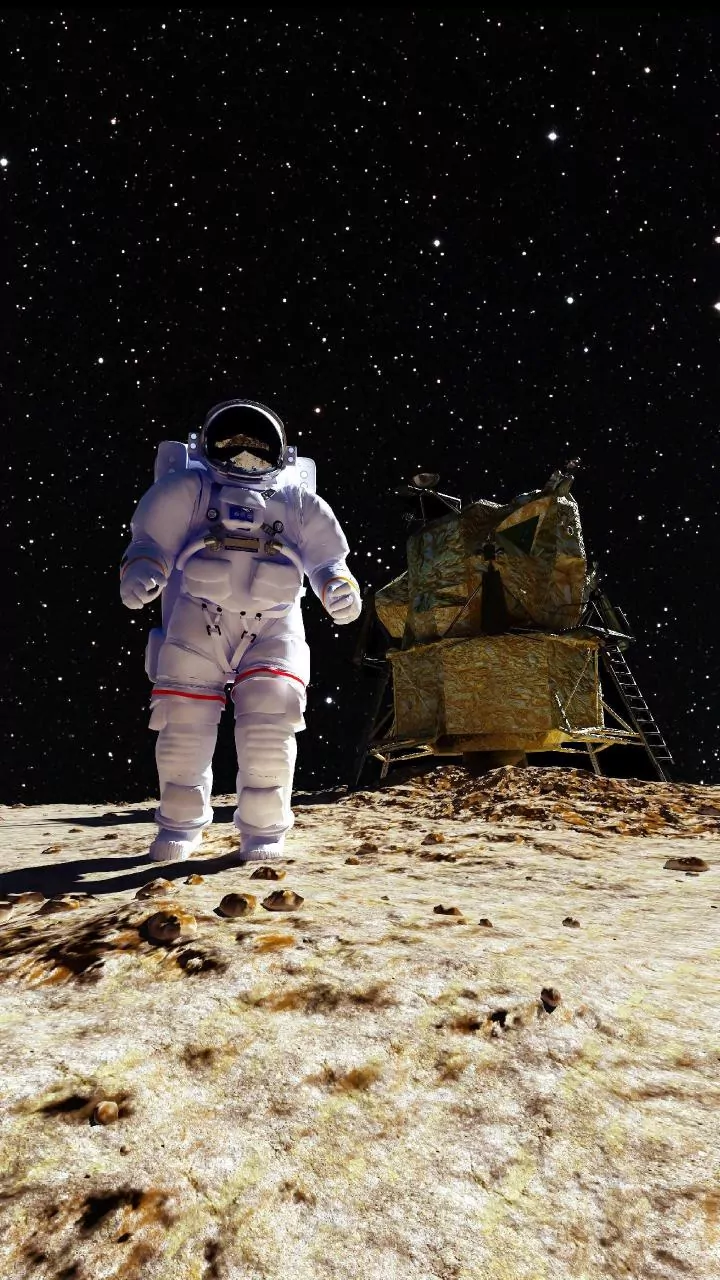
This isn’t a simple sequel. The 21st-century space race is a crowded and complex affair, driven less by pure ideology and more by a mix of national prestige, strategic advantage, and burgeoning commercial interests. [12, 17] While the first race was a bipolar
contest, today more than 80 countries have a presence in space. [12] The key players are no longer just two superpowers but a diverse cast including government agencies, billionaire-led corporations, and emerging space powers. [17, 31] The goals have also evolved. Instead of a sprint for footprints, this is a marathon to establish a sustained presence, control valuable resources, and write the rules for the future of the lunar economy and beyond. [4, 12, 17]
The Core Rivalry: USA vs. China
The central contest in this new era is between the United States and China. [4, 18] NASA is spearheading the Artemis program, a U.S.-led international effort to return astronauts to the Moon and establish a permanent base camp. [4, 17] This initiative is underpinned by the Artemis Accords, a set of principles for peaceful lunar exploration signed by over 60 nations. [5, 20] On the other side, China has an ambitious, state-directed program with a clear roadmap: land astronauts on the Moon by 2030 and construct an International Lunar Research Station (ILRS) in partnership with Russia. [6, 8, 16] Both powers are targeting the Moon's south pole, a strategic region believed to hold deposits of water ice—a critical resource for life support and rocket fuel. [4, 10, 23]
The New Contenders: India and Other Powers
This race is far from a two-horse affair. India has firmly established itself as a leading space power. The historic success of the Chandrayaan-3 mission made India the fourth nation to land on the Moon and the first to reach the coveted lunar south pole. [7, 13, 27] This achievement was not just a scientific triumph but a demonstration of cost-effective deep-space capability. [31, 32] With future missions like Chandrayaan-4 (a sample return) and a collaborative lunar exploration with Japan (LUPEX), India is a crucial player. [7, 32] Meanwhile, other nations like the United Arab Emirates, Japan, and the European Space Agency are also pursuing ambitious missions, often in partnership, creating a dynamic and multipolar environment. [12]
The Wildcards: Private Enterprise
Perhaps the biggest difference from the original space race is the transformative role of private companies. [17, 24] Visionary entrepreneurs, primarily through companies like Elon Musk's SpaceX and Jeff Bezos's Blue Origin, are not just contractors; they are key drivers of innovation and ambition. [11, 31] SpaceX's reusable rockets have dramatically lowered launch costs, and NASA is heavily reliant on its Starship for the Artemis landings. [24] Blue Origin is also developing a lunar lander for NASA under a multi-billion dollar contract. [11, 35] These companies, along with a growing ecosystem of space startups, are accelerating timelines, introducing competition, and creating a new commercial frontier that was unimaginable in the Apollo era. [26, 31, 34]
The Prize: Why the Moon's South Pole?
So why is everyone racing back to the Moon, and specifically to its south pole? The answer is water. [10] In the permanently shadowed craters of the lunar south pole, scientists have found definitive evidence of water ice. [14, 22] This is a game-changer. Water can be used for drinking and growing food, but more importantly, it can be broken down into hydrogen and oxygen—the primary components of rocket propellant. [10, 28] The ability to access and utilize this resource could turn the Moon into a refuelling station for deeper space exploration, including missions to Mars. [4, 10] The nation or entity that first masters the extraction and use of lunar resources will gain a significant economic and strategic advantage for decades to come. [4]