


Bhandardara: A Monsoon Paradise
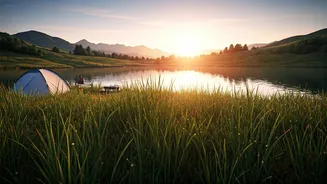
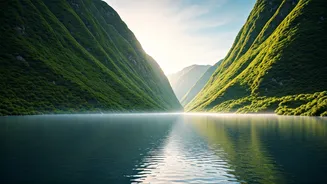
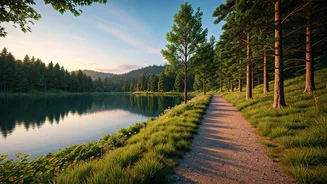
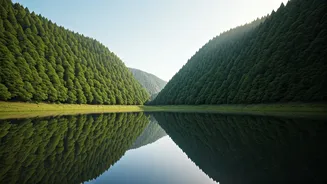
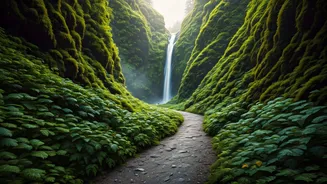
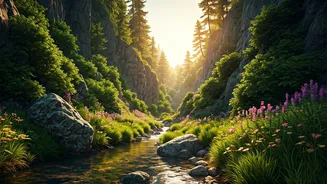
Nestled in the Sahyadri range of the Western Ghats, Bhandardara is a symphony of nature, especially during and after the monsoon. Its name, which translates to a valley of treasures, is no exaggeration. The region is dominated by the serene Arthur Lake,
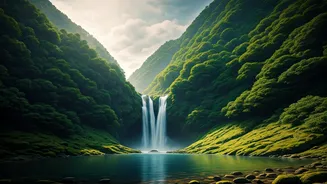
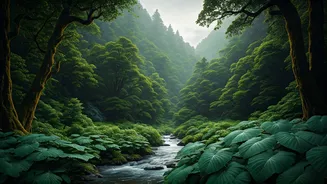
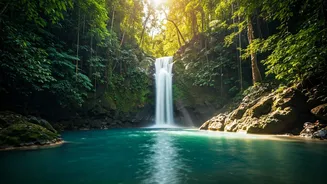
fed by the Pravara River and held by the historic Wilson Dam. Waterfalls like the majestic Umbrella and Randha Falls cascade down rocky cliffs, and ancient trails lead to Ratangad and Harishchandragad forts. This rich biodiversity and stunning landscape make it a magnet for trekkers, stargazers, and campers seeking respite from city life. Its proximity to Mumbai and Pune has made it a popular weekend destination, but with popularity comes the responsibility to protect its pristine charm.
The 'Low Footprint' Camping Philosophy
The phrase ‘low footprint’ is more than just a buzzword; it’s a commitment. Pioneered by responsible travel clubs and individual campers, it’s guided by the 'Leave No Trace' principle. The core idea is simple: leave a place better than you found it. This involves meticulous planning to minimise waste before you even leave home. It means carrying out every single piece of trash you generate, including organic waste like fruit peels. It's about respecting wildlife by observing from a distance and never feeding animals. It also means being considerate of other visitors and protecting the natural soundscape by avoiding loud music. This philosophy transforms camping from a simple recreational activity into a mindful practice of environmental stewardship.
Packing for a Greener Trip
A low-impact trip begins with smart packing. The goal is to eliminate single-use items. Instead of plastic water bottles, carry reusable ones and a reliable water filter or purification tablets. Pack food in reusable containers rather than disposable wrappers and plastic bags. Bring a reusable cloth bag for any local purchases you might make. When it comes to toiletries, opt for biodegradable soap and toothpaste to avoid contaminating local water sources. A solar-powered charger or a power bank reduces reliance on electricity. Also, choose dark-coloured clothing to blend in with the natural environment and minimise disturbance to wildlife. Packing light not only makes trekking easier but also reduces your overall carbon footprint.
Choosing Your Campsite Wisely
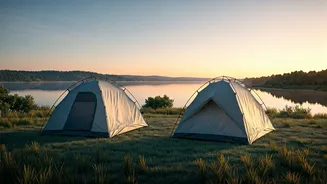
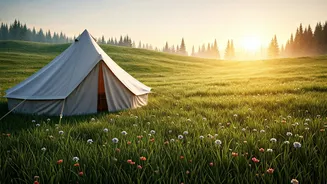
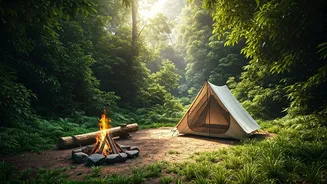
Where you pitch your tent matters. The best practice is to use established or designated campsites whenever possible. These spots are chosen to withstand camping activity and concentrate the impact in one area. If you are camping in a more remote area, select a site on a durable surface like rock, gravel, or dry grass, at least 200 feet away from lakes and streams to protect water resources. Avoid setting up camp in fragile meadows or on delicate vegetation. When nature calls, dig a cathole 6-8 inches deep and at least 200 feet from water, and cover it up when you're done. As for campfires, they can scar the landscape and create a wildfire risk. Many eco-clubs now advocate for a 'no-fire' policy, encouraging campers to use portable gas stoves for cooking and to enjoy the natural, unlit starry sky instead.
Join a Club or Go Solo?
For beginners, joining an eco-travel club is an excellent way to learn the ropes. These organisations handle the logistics, from transport to permits, and provide expert guidance on sustainable practices. They foster a sense of community and shared responsibility, making it easier to adhere to low-impact principles. Experienced campers may prefer the freedom of a solo or small-group trip. If you choose this route, thorough research is key. Understand the local regulations, inform someone of your itinerary, and ensure you are fully equipped to be self-sufficient and practice 'Leave No Trace' ethics without supervision. Both paths lead to the same goal: enjoying the treasures of Bhandardara while ensuring they remain for generations to come.