



Setting Up for Success
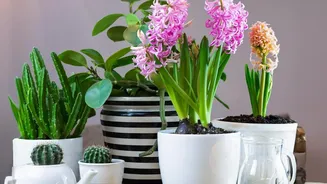
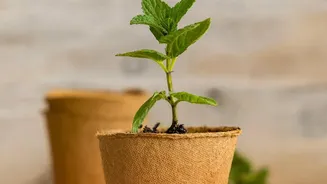
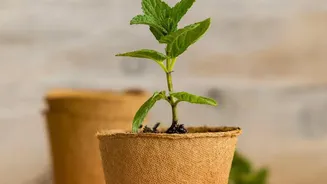
Before you start planting, gathering the right supplies is key. You don’t need much to create a thriving indoor garden. First, select your containers. Pots that are at least 6-8 inches deep and wide provide ample room for roots. Ensure every pot has drainage
holes at the bottom to prevent waterlogging, which is a common cause of herb failure. For the growing medium, choose a high-quality, lightweight potting mix. Avoid using heavy garden soil, which compacts in containers and can choke the roots. Look for mixes containing coco coir, perlite, and compost, as these provide the perfect balance of drainage, aeration, and light nutrients that herbs love.
The Sacred Tulsi (Holy Basil)
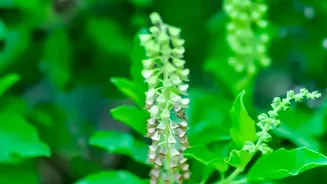
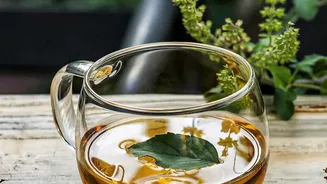
Tulsi is a cherished plant in many Indian households and can be grown indoors with the right care. It thrives on sunlight, so a south-facing windowsill where it can receive at least four to six hours of direct sun is ideal. If your home doesn't get enough natural light, especially during short winter days, consider using a simple grow light to keep it healthy. Water your Tulsi when the top inch of soil feels dry, and ensure excess water drains out completely. It's sensitive to both overwatering and cold drafts, so place it in a warm spot away from open windows. Regular household temperatures are generally fine for this resilient herb.
Mighty Mint (Pudina)
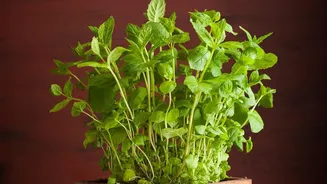
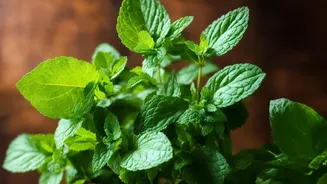
Mint is famously easy to grow and perfect for beginners. In fact, its vigorous growth is why it's best kept in a container, where it can't take over your entire garden. You can start mint from cuttings placed in water until roots form, or from a small plant. Mint is not overly fussy about sunlight and does well with a few hours of morning sun. It prefers its soil to be consistently moist but never soggy. Water it every two to four days, checking the soil first. Regular harvesting is the secret to a bushy mint plant; simply pinch off the top leaves every week or so. This encourages the plant to grow wider and produce more delicious foliage for your chutneys and chai.
Fresh Coriander (Dhania)
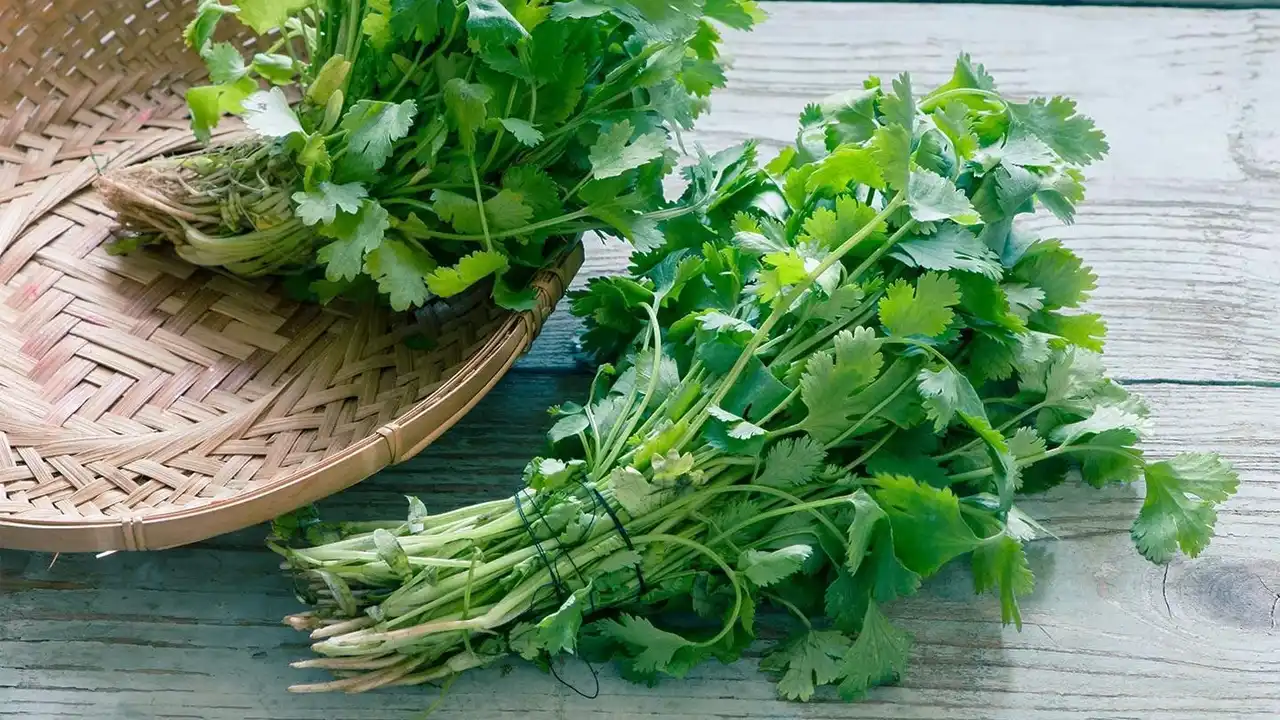
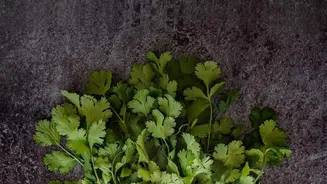
There's nothing like the taste of fresh coriander, and growing it indoors ensures a ready supply. Coriander can be grown from the whole 'seeds' (which are actually fruits) you buy at the grocery store. For better germination, lightly crush the seeds to split them in half and soak them in water overnight before planting. Sow the seeds in a wide pot, as coriander doesn't need much depth. It grows best with about four to six hours of sunlight daily. Keep the soil consistently moist, especially during germination. Your first harvest can be ready in as little as 25-30 days. To ensure a continuous supply, cut the outer leaves as needed, leaving the central growth intact, or sow a new batch of seeds every few weeks.
General Winter Care Tips
Indoor herbs have different needs in winter. With less sunlight and slower growth, they require less water than in the summer. Always check the top inch or two of soil with your finger before watering; if it feels damp, wait another day or two. Overwatering is the biggest danger for indoor herbs in winter. Rotate your pots a quarter turn each week to ensure all sides of the plants get light, preventing them from leaning. As most potting mixes come with slow-release nutrients, you likely won't need to fertilize much during the winter months, when the plants are in a semi-dormant state. Wait until you see signs of active new growth in late winter or early spring before considering a light feed with an organic fertilizer.