

Feeling stiff from long hours at a desk or looking for a gentle way to improve your range of motion? Chair yoga makes the health benefits of yoga accessible to everyone, using a simple chair for support to boost flexibility and reduce tension.
The Accessible Benefits of Chair Yoga
Chair yoga
is a modified form of traditional yoga that makes the practice approachable for people of all ages and mobility levels. Whether you are an older adult, have balance concerns, are recovering from an injury, or simply work a desk job, chair yoga offers a way to stretch and strengthen your body without needing to get on the floor. The primary benefits include increased flexibility and improved mobility, which are crucial for daily activities. Regular practice can help reduce stiffness in joints, ease back pain, improve circulation, and promote better posture. Furthermore, the combination of movement and mindful breathing helps lower stress, reduce anxiety, and enhance mental clarity.
Choosing the Right Chair Is Crucial
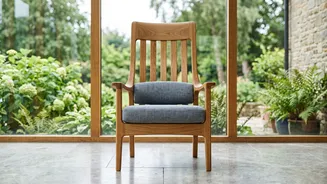
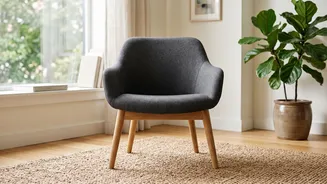
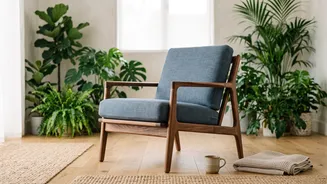
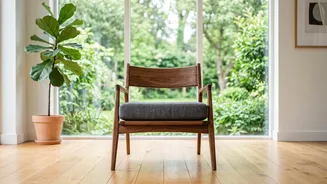
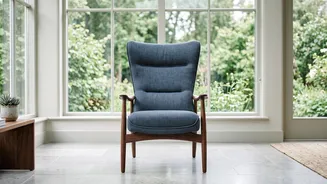
The single most important piece of equipment for chair yoga is the chair itself, and its stability is non-negotiable. Choose a sturdy chair that does not wobble, tip, or roll; chairs with wheels should be avoided entirely to prevent accidents. The ideal chair height allows your feet to rest flat on the floor with your knees bent at a 90-degree angle, ensuring proper alignment and support. If possible, opt for a chair without armrests, as they can restrict movement during side bends and twists. A firm, straight backrest is also preferable to promote good posture during seated poses.
Gentle Seated Poses to Begin
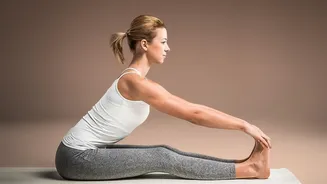
Start your practice while seated toward the front of your chair, with your feet flat on the floor and your spine tall. Begin with a Seated Cat-Cow stretch by placing your hands on your knees. As you inhale, lift your chest and arch your back, looking slightly upward (Cow). As you exhale, round your spine and drop your chin to your chest (Cat). Repeat this several times to warm up the spine. Next, try a Seated Forward Bend. Inhale to lengthen your spine, and on the exhale, hinge forward from your hips, letting your chest rest toward your thighs and your hands reach for the floor or your feet. This pose gently stretches the back and hamstrings.
Poses for Spinal and Hip Flexibility
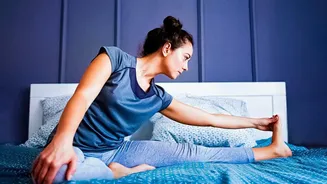
A Seated Spinal Twist is excellent for improving spinal mobility. Sit tall and, on an exhale, gently twist your torso to one side, using the back of the chair for light support. Keep your hips facing forward as you turn. Hold for a few breaths before returning to the center and repeating on the other side. To open the hips, practice the Chair Pigeon Pose. While seated, place your right ankle on your left thigh, just above the knee. Keep your right foot flexed to protect the knee joint and gently encourage your right knee toward the floor to feel a stretch in your hip. Remember to switch sides.
Using the Chair for Standing Support
The chair is not just for sitting; it is also a valuable prop for supported standing poses. For a modified Downward_Facing Dog, stand behind the chair and place your hands on the backrest. Walk your feet back until your body forms a right angle, with your arms extended and your back flat. This variation provides a great stretch for the shoulders and spine without putting pressure on the wrists. You can also use the chair for balance in poses like Warrior I, holding onto the backrest as you step one foot back into a lunge, which helps build leg strength and stability.
Mindful Breathing and Safety
Throughout your practice, focus on your breath. Inhaling and exhaling deeply with each movement helps relax the joints and deepen the stretches. It’s important to listen to your body and distinguish between discomfort and pain. Never push yourself to the point of strain, and avoid any sharp or jerking movements. If a pose causes pain, gently ease out of it. For those with specific conditions like osteoporosis, it is wise to avoid deep forward folds or extreme spinal twists to protect the spine. The goal is to finish your session feeling more open and relaxed, not sore.