
The Science of Humidity and Thirst
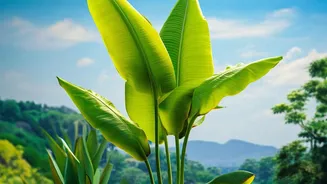
During dry, hot weather, plants release water vapor through tiny pores on their leaves, a process called transpiration. This is how they breathe and stay cool. This process also pulls water up from the roots, which is why they need regular watering in summer.
However, when the monsoon arrives, the air becomes saturated with moisture. With high humidity, the air can't absorb much more water, which dramatically slows down transpiration. Because the plant isn't losing as much water through its leaves, it also doesn't need to draw as much from the soil. The result is that soil stays wet for much longer than it does in other seasons.
The Dangers of a Summer Schedule
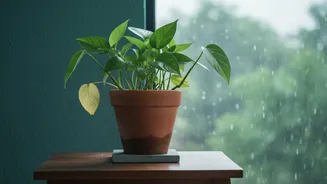
The biggest mistake plant owners make during the monsoon is sticking to their summer watering schedule. What was once a perfect routine can quickly become a death sentence. When soil remains waterlogged, it suffocates the roots, preventing them from absorbing oxygen. This leads to the dreaded root rot, a condition where roots turn brown, mushy, and can no longer support the plant. Symptoms of overwatering are often mistaken for underwatering: leaves may turn yellow, wilt, and drop off, even though the soil is wet. You might also notice a musty smell from the pot or see fungal growth on the soil's surface.
How to Check if Your Plant is Thirsty
Forget the calendar. The only reliable way to know if your plant needs water during the monsoon is to check the soil manually. The 'finger test' is the simplest method: insert your finger about two inches into the soil. If it feels dry, it's time to water. If you feel any moisture, wait and check again in a few days. For a less messy approach, a wooden chopstick or skewer works just as well. Push it deep into the pot; if it comes out clean and dry, the plant needs a drink. If it comes out with damp soil clinging to it, hold off. Lifting the pot to gauge its weight is another expert trick—a pot with dry soil is significantly lighter than one with wet soil.
Adjusting Your Monsoon Care Routine
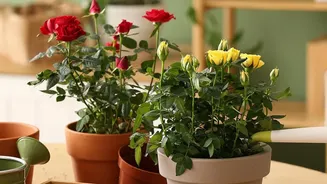
During the Indian monsoon, many common indoor plants might only need watering once every 10 to 15 days. The key is observation. Beyond watering, ensure your pots have excellent drainage. Decorative pots without holes can trap water and should be emptied regularly. Elevating pots on stands can improve airflow and prevent them from sitting in runoff. It's also a good time to improve air circulation. If plants are indoors, a small fan on a low setting for a few hours can help prevent the stagnant, damp conditions that fungi love. Also, move your plants closer to windows to maximise their exposure to sunlight on cloudy days.
Fighting Fungus and Pests
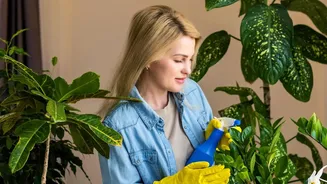
High humidity is an open invitation for fungal diseases like powdery mildew and pests like fungus gnats. Be vigilant about removing any yellowing or dead leaves promptly, as they can become breeding grounds for infection. Wiping down leaves with a soft cloth can also help. For a natural preventive measure, consider a light spray of neem oil solution every 7 to 10 days. Sprinkling a little cinnamon powder on the topsoil can also act as a natural fungicide. If you do spot an infected plant, isolate it immediately to prevent it from spreading to your other green companions.