
Why Saturn is Stealing the Show
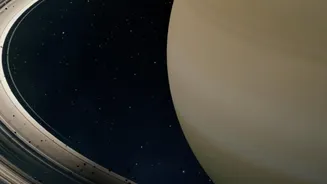
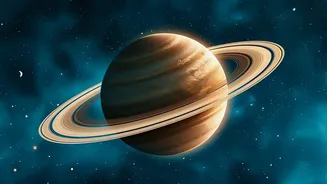
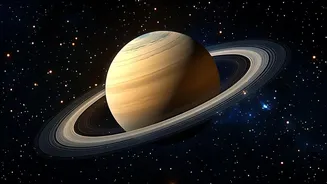
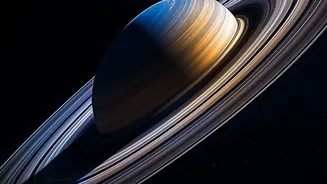
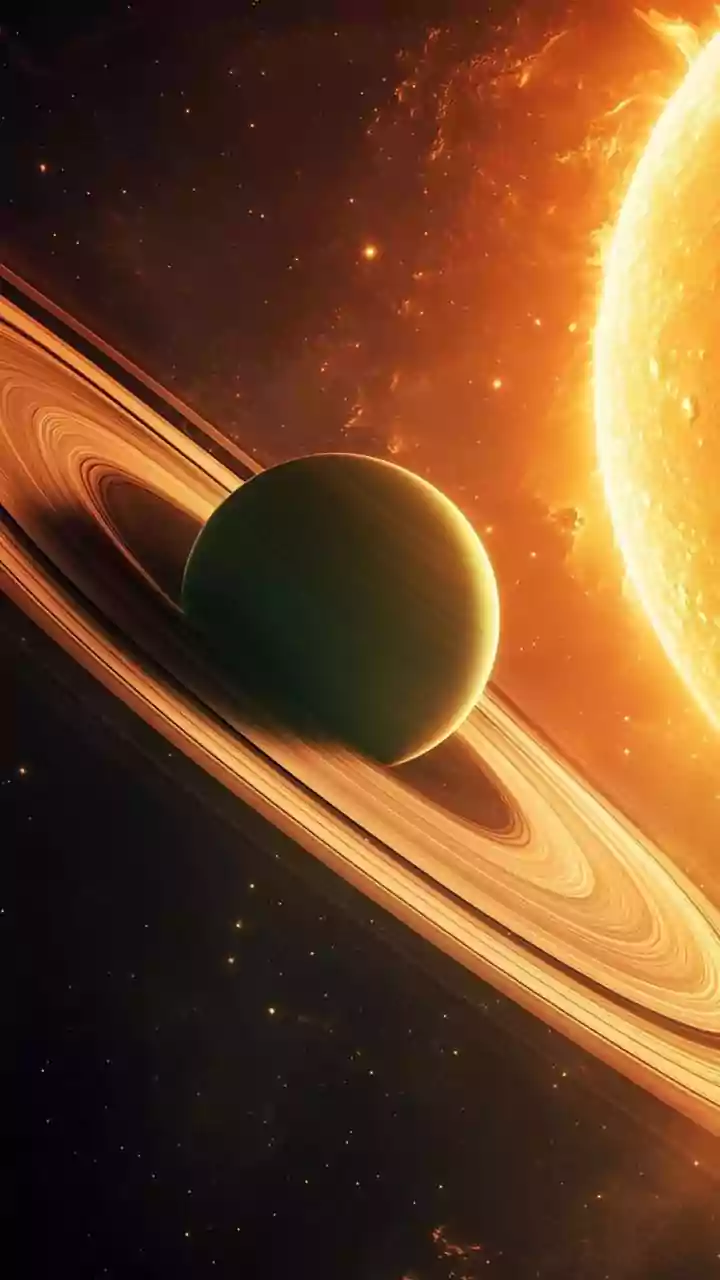
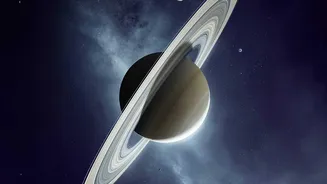
If you’ve ever wanted to see Saturn’s iconic rings for yourself, the coming weeks are your golden opportunity. Throughout August, the gas giant will grow progressively more brilliant. This is all a prelude to its 'opposition' on October 4, 2026, the point
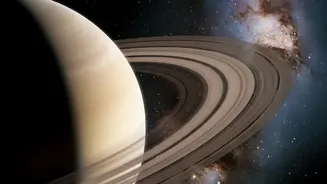
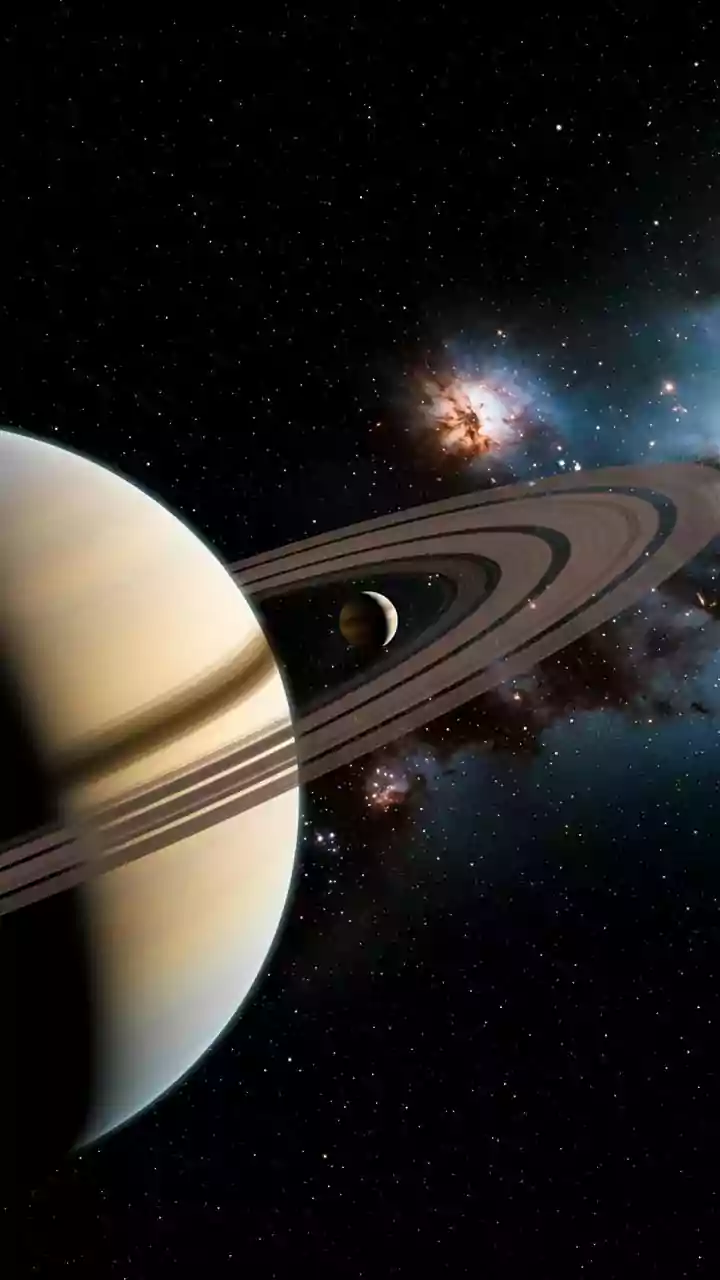
when it will be at its absolute brightest for the year. Think of August as the opening act for a celestial superstar. The planet is rising earlier, staying up longer, and its features are becoming easier to observe. What makes this year particularly special is the angle of its rings. After being nearly edge-on in 2025, the rings are now tilted towards Earth at a much more favourable angle, making them appear more distinct than they have in years.
The Science of Opposition Explained
So, what exactly is opposition? In simple terms, it is the moment when Earth, in its faster, inner orbit, passes directly between the Sun and an outer planet like Saturn. Imagine two cars on a racetrack; our planet is the faster car on the inside lane, lapping the slower car on the outside. During opposition, Saturn is on the opposite side of Earth from the Sun. This alignment has three key benefits for skywatchers. First, the planet is at its closest point to Earth for the year, making it appear larger and more detailed through a telescope. Second, it is fully illuminated by the Sun from our perspective, making it shine at its brightest. Third, it is visible for the entire night, rising in the east around sunset and setting in the west around sunrise.
Your Viewing Guide for August
You don't have to wait until October to start enjoying the view. In August, Saturn will be visible in the constellation Pisces, rising in the eastern sky as the evening progresses. Early in the month, you may need to wait until later at night, but by the end of August, it will be rising much earlier. To the naked eye, it will appear as a bright, steady, yellowish point of light — unlike stars, planets typically do not twinkle. The best way to locate it is by using one of the many popular stargazing apps on your smartphone, which can provide a real-time map of the sky from your location. This is a perfect activity for the whole family, accessible from a balcony in Mumbai or a dark-sky location in the Himalayas.
What to Expect From Your Equipment
The view of Saturn changes dramatically depending on what you use to observe it. With just your naked eye, it’s a bright star. Grab a pair of binoculars, and you might notice it appears as a tiny, slightly oval disc rather than a point; this is caused by the rings, even if you can’t distinguish them. You may even spot its largest and brightest moon, Titan, as a faint star-like object nearby. The real magic happens with a telescope. Even a small, beginner telescope with about 50x magnification can reveal the rings as a structure separate from the planet itself — a sight that has captivated astronomers for centuries. With a mid-sized amateur telescope (4-inches or larger), you might be able to spot the Cassini Division, a dark gap in the rings, as well as faint cloud bands in the planet's atmosphere.
Tips for the Best Possible View
To make the most of your Saturn-gazing session, a few simple tips can go a long way. First, if you have a telescope, let it sit outside for at least 30 minutes before you use it. This allows the optics to adjust to the ambient temperature, which provides a sharper image. Second, be patient. The Earth's atmosphere is constantly moving, which can make the image in your eyepiece shimmer. Wait for brief moments of steady 'seeing' when the image will suddenly become crystal clear. Finally, while Saturn is bright enough to be seen from cities, getting to a darker location away from light pollution will always enhance the experience, making it easier to spot fainter moons and details. With a growing interest in amateur astronomy in India, joining a local club can also be a great way to share the experience.