



A Dessert with a Rich History
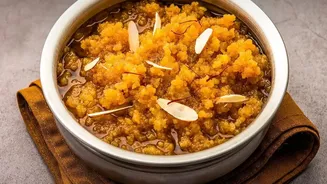
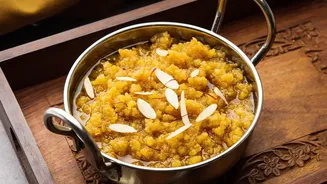
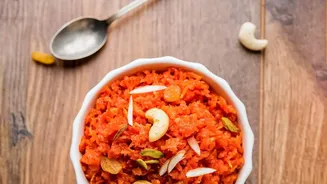
Carrot halwa is a beloved North Indian sweet that is a cornerstone of festive occasions like Diwali and family gatherings. Its origins are often traced back to the Mughal era, a period of significant culinary innovation in India. The name 'halwa' itself
has Arabic roots, meaning 'sweet', and the concept was likely introduced to India from Persia. While carrots are not native to India, they were introduced through trade and quickly found a place in the local cuisine, particularly in Punjab. The traditional method involves slow-cooking grated carrots in milk until the mixture thickens into a rich, pudding-like consistency. This patient process is key to developing the dessert's signature depth of flavour and texture.
Gathering Your Ingredients
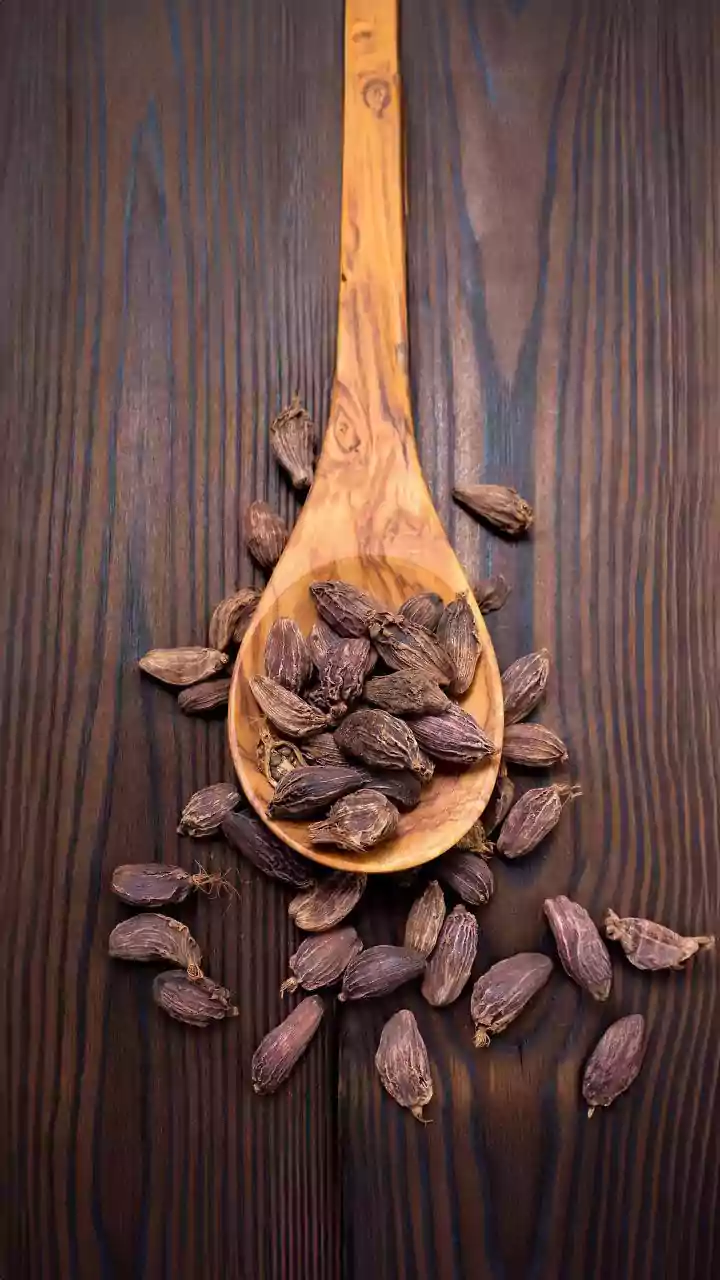
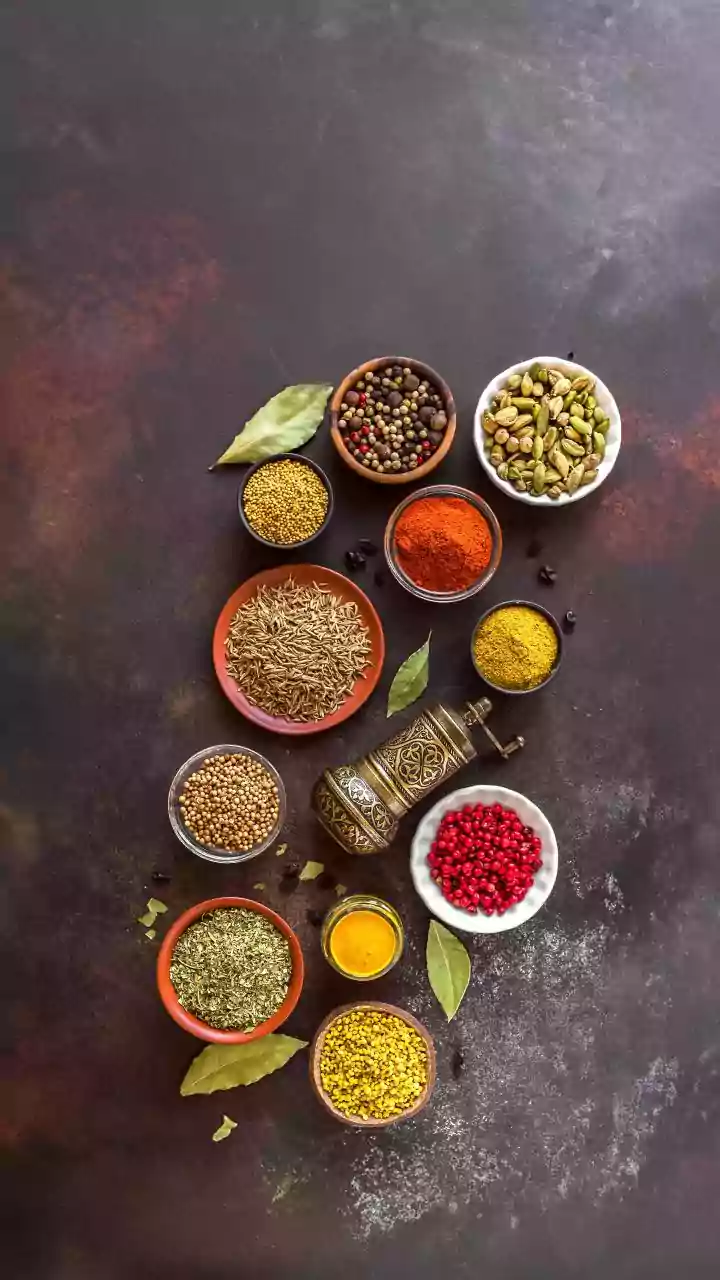
The classic Gajar ka Halwa relies on a few core ingredients. For a family-sized serving, you will need approximately 1 kilogram of carrots, 1 litre of full-fat milk, 200-250 grams of sugar, 4-5 tablespoons of ghee, and a half-teaspoon of cardamom powder. A handful of chopped nuts like almonds, pistachios, and cashews are essential for garnish and texture. The choice of carrots is crucial; traditionally, sweet, tender red 'Delhi carrots' are used, as they provide the best colour and natural sweetness, which is ideal during the winter season when they are in abundance. If red carrots are unavailable, regular orange ones will also work well. Full-fat milk is non-negotiable for achieving a creamy, rich texture.
Step-by-Step Cooking Guide
The magic of carrot halwa lies in the slow-cooking process. Start by washing, peeling, and grating the carrots. Many chefs recommend grating by hand with a medium-sized grater to achieve the perfect texture, as a food processor can sometimes make the carrots too fine or mushy. In a heavy-bottomed pan or kadai, heat the ghee and sauté the grated carrots for about 10-15 minutes until they are soft and aromatic. Next, pour in the milk and bring the mixture to a simmer. Cook on low to medium heat, stirring regularly to prevent sticking, until the milk has reduced significantly and has been absorbed by the carrots. This can take anywhere from 45 to 60 minutes. Once the mixture is thick and dry, add the sugar. The sugar will release moisture, making the halwa liquidy again. Continue to cook, stirring constantly, until it thickens once more. Finally, stir in the cardamom powder and add a final dollop of ghee to give it a glossy finish before garnishing with roasted nuts.
Tips for Halwa Perfection
Patience is the secret ingredient for a perfect halwa. The slow simmering process allows the carrots to absorb the milk fully and develop a deep, caramelised flavour that cannot be rushed. Always use a heavy-bottomed pan to prevent the milk and sugar from burning at the bottom. Adding sugar only after the milk has been completely absorbed is a critical step; adding it too early can hinder the carrots from softening properly. Stirring frequently, especially towards the end of the cooking process, is essential to achieve a smooth consistency and prevent curdling. For an extra rich flavour, some recipes suggest finishing the halwa with a final 'bhunao' or roasting in ghee for the last 10-15 minutes until it becomes glossy and fragrant.
Creative Variations to Explore
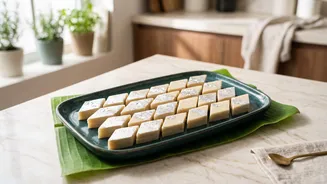
While the traditional milk-based recipe is a classic, there are several popular variations. For a quicker, richer version, many cooks use khoya (evaporated milk solids) or condensed milk. When using khoya, it is typically crumbled and added towards the end of the cooking process along with sugar. The condensed milk version is even faster; simply sauté the carrots in ghee, then add a can of condensed milk and cook until thick, with no extra sugar needed. For a vegan alternative, you can substitute whole milk with almond milk or another nut milk, and use coconut oil or a plant-based butter instead of ghee. Some recipes even use dates as a natural sweetener for a healthier twist.