






Understanding the Gut-Brain Axis
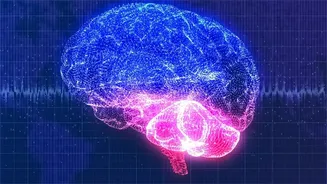
The gut-brain axis is a complex, two-way communication network linking your brain and your digestive system. Think of it as a constant conversation happening inside your body, involving the nervous system, hormones, and your immune system. This connection
is so profound that the gut is often called the "second brain." It explains why you get butterflies in your stomach when you're nervous or lose your appetite when you're stressed. This bidirectional highway means that your thoughts and emotions can affect your gut, and just as importantly, what's happening in your gut can significantly impact your mood, focus, and overall sense of well-being.
Your Microbiome: The Power Within
At the heart of this connection are the trillions of microorganisms—bacteria, fungi, and other microbes—living in your digestive tract, collectively known as the gut microbiome. These tiny residents are far from passive; they are active participants in your health. A diverse and balanced microbiome helps with digestion, produces essential vitamins, and regulates the immune system. Crucially, these microbes also produce neurochemicals that the brain uses to regulate mood and cognition. In fact, an estimated 90-95% of your body's serotonin, the "feel-good" neurotransmitter vital for mood stability, is produced in the gut, with help from these bacteria.
Fiber: Fuel for Your Gut's Allies
So, how do we keep this internal ecosystem happy? The answer is fiber. Specifically, prebiotic fiber, a type of carbohydrate our bodies can't digest, serves as the primary food source for our beneficial gut bacteria. When these microbes feast on fiber, they produce beneficial compounds called short-chain fatty acids (SCFAs). These SCFAs have numerous benefits, including anti-inflammatory effects that are believed to positively impact the brain. Diets rich in fiber have been linked to a lower risk of depression and anxiety and may help improve how we manage stress. Without enough fiber, this delicate balance can be disrupted, which may affect both gut health and emotional regulation.
Boost Your Focus with Fiber-Rich Foods
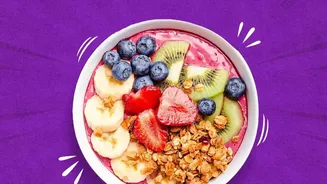
Increasing your fiber intake is simpler than it sounds and doesn't require a complete diet overhaul. Focus on incorporating more whole, plant-based foods into your daily meals. Excellent sources that are widely available in India include lentils (dal), chickpeas (chana), and other legumes. Whole grains like oats, buckwheat (kuttu), and whole wheat are also fantastic choices. Don't forget fruits and vegetables; bananas, apples, carrots, and leafy greens are all packed with the prebiotics your gut loves. Even nuts and seeds, like flaxseeds and chia seeds, are an easy way to add a fiber boost to your breakfast or snacks.
Probiotics: Reinforcing the Good Guys
While fiber feeds the good bacteria you already have, probiotics introduce new, beneficial live microorganisms to your system. These are the "good guys" themselves, found in fermented foods. Consuming probiotics can help restore a healthy balance to your gut microbiota, improve intestinal barrier function, and reduce inflammation. Studies have shown that certain probiotic strains can help alleviate symptoms of anxiety and depression by modulating the gut-brain axis. They can influence the production of neurotransmitters and help regulate the body's stress response system, directly impacting your mental state.
Find Your Mood-Lifting Probiotic Foods
Integrating probiotic foods into your diet is a delicious way to support your mental wellness. The most common and accessible source is yogurt with live and active cultures, often simply known as dahi. Kefir, a fermented milk drink with a tart flavour, is another powerful option. Other excellent sources include fermented foods like kimchi (a spicy Korean staple made from fermented cabbage) and kombucha (a fermented tea beverage), which are becoming increasingly popular and available. Even traditional fermented foods like sauerkraut and miso can contribute to a healthier gut and, by extension, a happier mind.