




The Urban Heat Island Effect
Cities are almost always hotter than surrounding rural areas, a phenomenon known as the 'urban heat island' effect. This isn't just a feeling; it's a measurable increase in temperature, sometimes by several degrees. The primary cause is the vast expanse
of dark, man-made surfaces like roads, which can make up around a third of a city's area. Traditional asphalt absorbs between 80% to 95% of the sunlight that hits it, storing that energy as heat. This stored heat then radiates back into the air, keeping temperatures high even after the sun goes down and contributing to health risks and increased energy consumption for cooling.
How Reflective Pavements Work
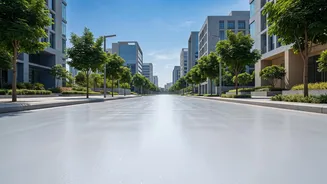
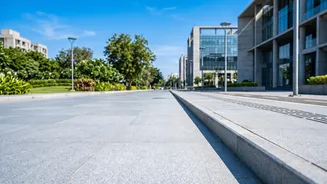
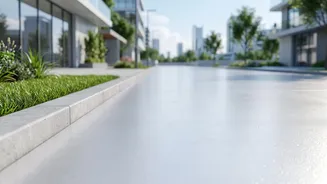
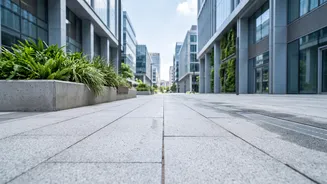
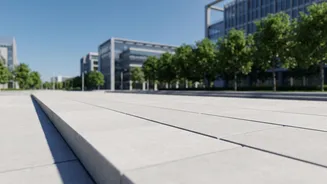
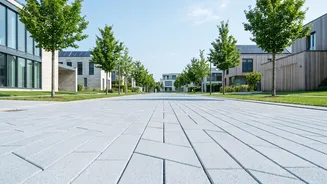
Reflective pavements, often called 'cool pavements', are designed to counter this process. The science is straightforward and relies on a property called albedo, which is the measure of how much solar energy a surface reflects. While dark asphalt has a very low albedo, cool pavements use different materials to increase it. This can be achieved in several ways: using lighter-coloured aggregates in the mix, applying a reflective surface coating, or using materials like concrete that are naturally more reflective. By reflecting a larger portion of sunlight back towards the sky, these surfaces absorb less heat, staying significantly cooler than their conventional counterparts.
How Much Cooler Can They Get?
The results from pilot projects are promising. Studies and real-world applications have shown that cool pavements can reduce surface temperatures dramatically. In some tests, reflective surfaces have been found to be 10-16°F (roughly 5.5-9°C) cooler than traditional asphalt under the same sunlit conditions. A major project in Los Angeles demonstrated that a community-wide application of solar-reflective coatings could lower ambient air temperatures by as much as 3.5°F (nearly 2°C) during extreme heat events. While this might not sound like much, a couple of degrees can make a substantial difference in reducing heat-related stress and lowering the demand for air conditioning.
More Than Just Temperature
The advantages of cooler streets extend beyond just thermal comfort. By lowering ambient temperatures, cool pavements can help reduce the formation of smog, which is exacerbated by heat. This leads to better air quality. There are potential energy savings; cooler surroundings mean less strain on air conditioning units in nearby buildings. Furthermore, the higher reflectivity of these surfaces can improve nighttime visibility, potentially reducing the need for extensive street lighting and saving on electricity costs. Some permeable versions of cool pavements also allow water to pass through, reducing hot stormwater runoff that can harm local aquatic ecosystems.
Challenges and Considerations
Despite the benefits, reflective pavements are not a simple magic bullet. One significant concern is glare, as the reflected sunlight can be uncomfortably bright for pedestrians and drivers. There's also the question of pedestrian comfort; while the pavement surface is cooler, the reflected radiation can sometimes make the air at standing height feel warmer. Cost is another factor, as the materials and application can be more expensive than traditional asphalt, though some analyses suggest long-term savings are possible. Durability and maintenance are also key considerations, as some coatings may need reapplication over time, especially in high-traffic areas.
The Indian Context
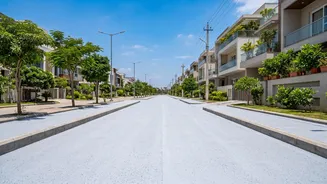
With many Indian cities facing severe heatwaves, the potential for cool pavements is enormous. While large-scale urban projects are still in early stages globally, related technologies are being explored in India. For instance, projects using reflective paint on roofs in places like Delhi have been evaluated to reduce indoor temperatures. Studies in cities like Bhubaneswar are analysing the potential economic and environmental benefits. Given that over 40% of roads in India are unpaved, there's a unique opportunity to build new infrastructure using smarter, more climate-resilient technologies from the ground up, as seen in some pilot projects using advanced materials outside Bangalore.