
The Power of the Vertical Line
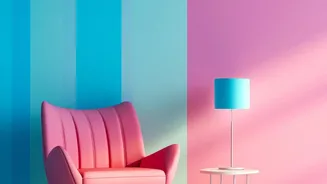
The principle is a classic optical illusion. Vertical lines, whether they are bold stripes, subtle pinstripes, or the edges of colour blocks, naturally draw the human eye upward. This upward movement creates a perception of greater height, effectively
tricking the brain into thinking the walls are taller and the ceiling is further away than it actually is. This technique is one of the simplest and most effective ways to combat the boxed-in feeling that low ceilings can create in a compact space. It's an architectural effect achieved with just pattern and colour, transforming a room by manipulating its perceived proportions.
Choosing Your Pattern and Scale
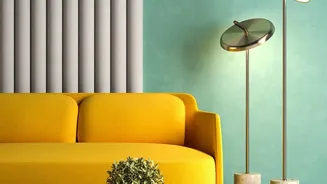
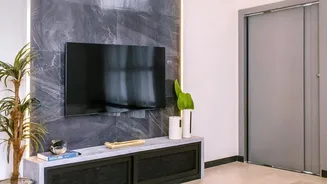
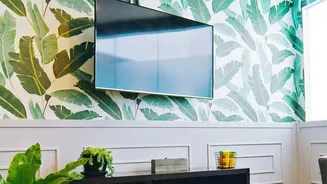
Not all vertical patterns are created equal. For a dramatic effect, high-contrast stripes, like navy and cream, create a strong visual pull. For a more subtle and gentle approach, tone-on-tone stripes or patterns with a light, airy background are excellent choices. Beyond simple stripes, consider patterns with a clear vertical emphasis, such as trailing botanicals, bamboo motifs, or linear geometric designs. The scale of the pattern is also important. While conventional wisdom often suggests small patterns for small rooms, a large-scale print on a single feature wall can add depth and character without overwhelming the space. The key is to ensure the pattern has an upward orientation to achieve the desired lengthening effect.
The 'Colour-Blocking' Strategy
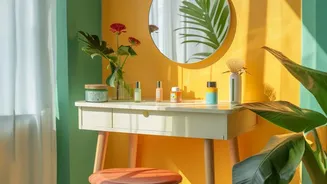
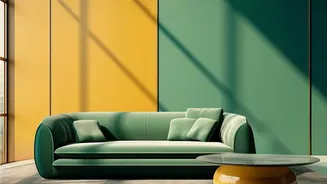
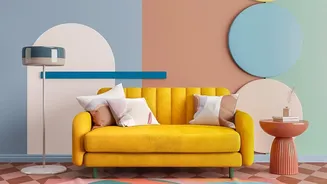
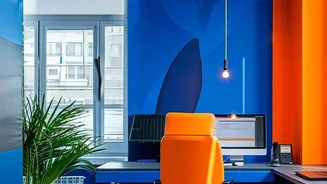
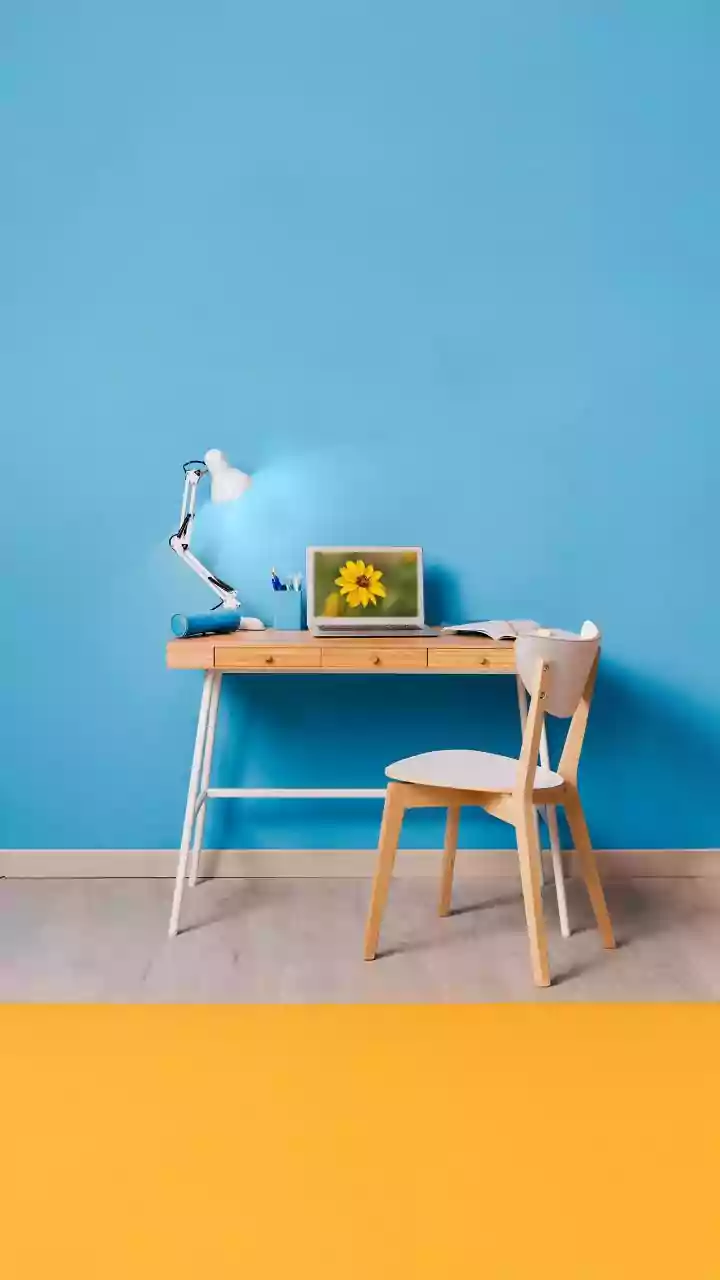
Colour-blocking takes this concept beyond traditional wallpaper. This technique involves using distinct blocks of colour to define spaces and create visual effects. A popular method is the two-tone wall, where a darker colour is used on the lower portion and a lighter colour on the top. This draws the eye upward toward the lighter shade, making the ceiling seem higher. To maximize the illusion, consider painting the trim and even the ceiling in the same light colour as the upper wall. This creates a seamless transition that blurs the boundary between the wall and ceiling, further enhancing the sense of height and openness. Light, reflective colours like soft whites, pale blues, and warm greys are particularly effective as they bounce more light around the room.
Application and Best Practices
To get the most out of your vertical wallpaper, placement is key. Applying it to a single accent wall, often the one you see first when entering the room, can create a powerful focal point without the commitment of papering the entire space. This is a great strategy if you're using a bold or large-scale pattern. When installing, ensure the pattern runs from the floor all the way to the ceiling, with no gaps or horizontal borders. This unbroken line is crucial for maximizing the vertical pull. For colour-blocking with paint, using high-quality painter's tape is essential for achieving crisp, clean lines between the different colours. A laser level can also help ensure your dividing line is perfectly straight.
Beyond Wallpaper and Paint
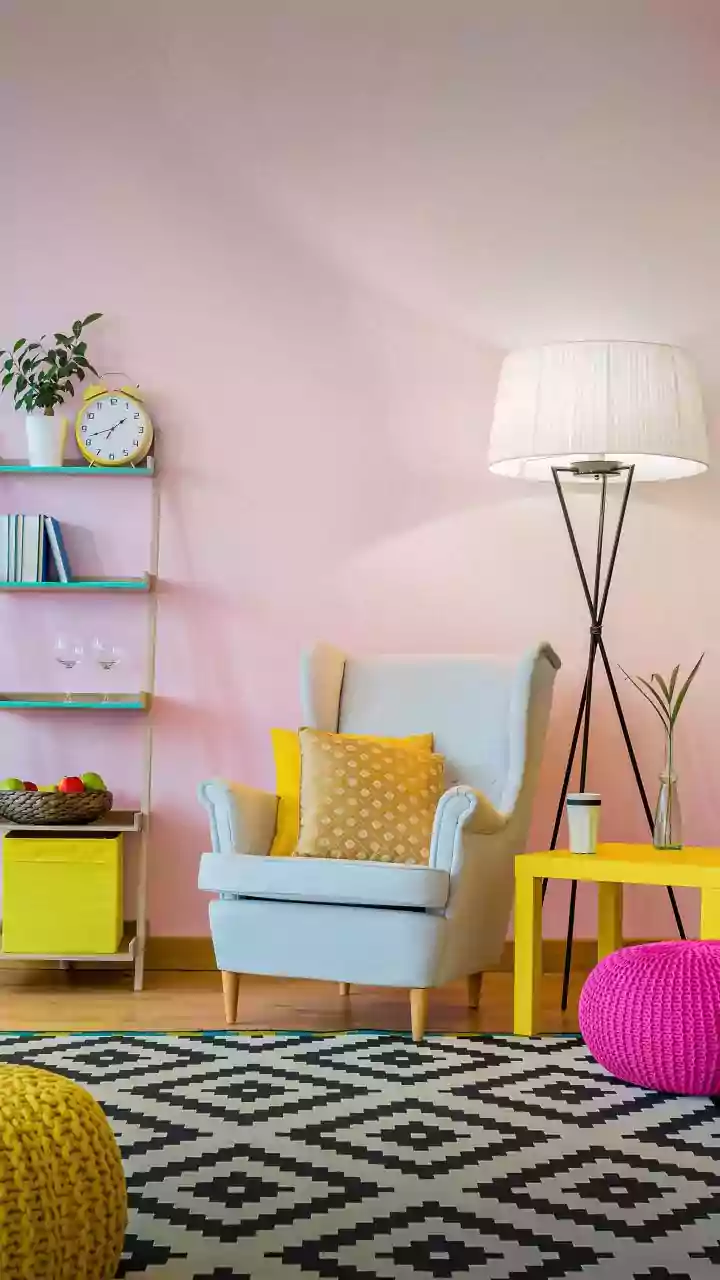
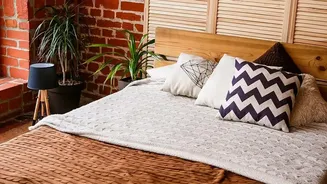
The principle of verticality extends to your entire decor. You can reinforce the illusion of height with other elements that draw the eye upward. Hang curtains as high as possible, close to the ceiling, and let them fall to the floor. This creates long, elegant vertical lines that complement your wall treatment. Choose tall, narrow furniture like bookshelves or display cases. Even strategically placed vertical artwork or a tall, slender mirror can contribute to the effect. Pairing these elements with low-profile furniture, such as a low-slung sofa or bed, increases the visible space between the furniture and the ceiling, making the room feel even more expansive.