






1. Ignoring Hyper-Local Forecasts
Relying on a general national weather report is one of the biggest gambles during monsoon. Weather in hilly or coastal areas can change dramatically within hours. A sunny morning can turn into a torrential downpour by afternoon, leading to flash floods
or blocked roads. The biggest mistake is treating rain as a minor inconvenience rather than a powerful force that can halt transport and make areas unsafe. Before heading out, always check local advisories from sources like the India Meteorological Department (IMD) and district authorities. These provide specific warnings for landslides, heavy rain, or thunderstorms that a generic app might miss, especially in vulnerable regions like Uttarakhand, Himachal Pradesh, and the Western Ghats.
2. Packing the Wrong Materials
When it comes to a monsoon wardrobe, the material is more important than the style. Packing cotton jeans, heavy fabrics, or leather is a common error. These materials absorb and hold water, taking ages to dry in the humid climate and leaving you feeling damp and uncomfortable. Instead, your bag should contain lightweight, synthetic, and quick-dry clothing that allows you to get soaked and dry off fast. Essentials include a reliable waterproof jacket, an umbrella, waterproof footwear with a good grip, and a couple of extra pairs of socks. Also, protect your valuables by packing electronics, documents, and medicines in waterproof pouches or sealed plastic bags.
3. Underestimating Route Risks
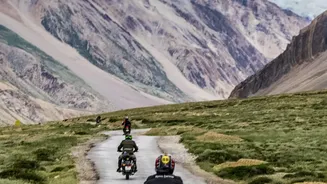
The same scenic mountain road that is a joy to drive in summer can become a death trap in the monsoon. Many travellers make the mistake of choosing routes through landslide-prone areas, especially in Himalayan states and the ghats of Kerala and Maharashtra. Roads leading to popular destinations like Kedarnath, Badrinath, and even parts of the route to Spiti Valley are notoriously susceptible to blockages. It's crucial to research your route's stability and avoid driving on rural or mountain roads after sustained heavy rainfall. Opt for well-maintained national highways where possible and hire experienced local drivers who are familiar with navigating treacherous monsoon conditions.
4. Sticking to a Rigid Itinerary
Monsoon weather is famously unpredictable, making a tightly packed schedule a recipe for stress. A common mistake is failing to build buffer days into your travel plan. A single landslide or flight cancellation can derail your entire trip if you have back-to-back bookings with no room for error. A flexible itinerary is your best friend. It allows you to wait out a heavy downpour, change your route if a road is closed, or simply spend an extra day enjoying the misty view from your hotel without pressure. Always have a Plan B, like an indoor activity or a nearby attraction you can visit if your original plan gets washed out.
5. Overlooking Accommodation Readiness
A beautiful, isolated resort might seem perfect online, but its location can become a liability during the monsoon. Booking a property without checking its accessibility during heavy rain is a frequent oversight. Before confirming, it's wise to read reviews specifically about monsoon conditions. Ensure the hotel has reliable power backup, as outages are common. Check if the property is located in an area safe from floods and landslides and if it offers services to handle monsoon-related issues, such as pest control and in-house activities for rainy days. A stay can be ruined by a leaky roof or being cut off from the main road.
6. Forgetting Health and Hygiene
The monsoon brings lush greenery, but it also brings a surge in mosquitoes and waterborne diseases. A mistake travellers often make is neglecting basic health precautions. Always carry a strong insect repellent, especially for the evenings. Be cautious about what you eat and drink; stick to bottled or purified water and avoid raw vegetables or street food that may have been exposed to contaminated water. Opt for hot, freshly cooked meals. It's also essential to pack a basic first-aid kit with antiseptic, bandages, and any personal medications, as reaching a pharmacy might be difficult during a downpour.
7. Depending Entirely on Technology
In an age of constant connectivity, it's easy to assume Google Maps and online payments will always be available. But heavy rains can lead to power cuts and network disruptions, especially in remote and hilly areas. A critical mistake is not having offline backups. Before you travel, download offline maps of your destination. Carry a fully charged power bank to keep your phone alive during outages. It's also smart to carry some emergency cash, as ATMs may not work and digital payments might fail. Having important phone numbers—like your hotel, local emergency services, and transport operator—saved or written down can be a lifesaver.