





What is Fermented Mango Anyway?
Forget complicated brewing kits and mysterious starters. The secret we're talking about is lacto-fermentation. It’s an ancient, incredibly simple preservation technique that uses salt and water to create an environment where beneficial lactic acid bacteria
can thrive. These are the same 'good guys' found in yogurt and traditional pickles. When you apply this method to mangoes, something magical happens. The natural sugars in the fruit are consumed by the bacteria, transforming the sweet flesh into a complex, tangy, slightly savoury, and wonderfully effervescent treat. It’s a flavour profile you simply can’t get from a blender. It’s less of a recipe and more of a science experiment where you’re guaranteed to get an A+.
The Gear: Keep It Simple
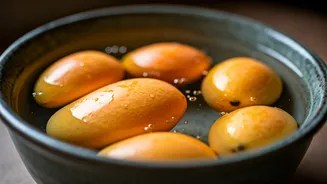
You don't need any fancy equipment. In fact, you probably have everything you need in your kitchen right now. * **A Large Glass Jar:** A 1-litre jar with a wide mouth is perfect. Ensure it’s spotlessly clean; run it through a hot dishwasher cycle or rinse with boiling water to be safe. * **Mangoes:** The key is to use mangoes that are firm and just-ripe or even slightly under-ripe. Overly ripe, soft mangoes will turn to mush. Varieties like Totapuri, Ramkela, or any firm, less fibrous mango work wonderfully. * **Salt:** Use non-iodized salt. Iodized table salt can inhibit the fermentation process and create a cloudy, off-tasting brine. Sea salt, pink salt, or pickling salt are all excellent choices. * **Water:** Filtered or de-chlorinated water is best. The chlorine in tap water can interfere with the beneficial bacteria. To de-chlorinate tap water, simply let it sit out in an open container for 24 hours.
The 'One Trick' Method: A Step-by-Step Guide
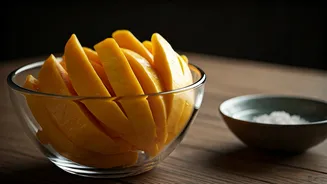
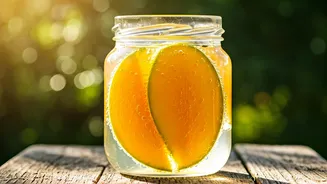
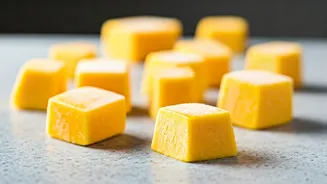
The 'trick' isn’t a hidden ingredient; it’s the beautiful simplicity of the brine ratio. This is where you create the perfect environment for flavour to develop. 1. **Prep Your Mangoes:** Wash and peel two to three large, firm mangoes. Cut them into 1-inch cubes or long spears. The shape is up to you, but cubes are more versatile. 2. **Make the Brine:** This is the crucial step. You need a 2% salt solution. For every 1 litre (1000g) of water, you will add 20g of salt. A kitchen scale makes this foolproof. If you don't have one, a good approximation is 4 teaspoons of salt per litre of water. Stir until the salt is completely dissolved. 3. **Combine and Submerge:** Pack the mango cubes into your clean glass jar. You can add optional flavourings at this stage—a few slices of ginger, a slit green chilli, or a teaspoon of black peppercorns. Pour the salt brine over the mangoes until they are completely covered. The most important rule of lacto-fermentation is to keep everything below the brine. Any fruit exposed to air can develop mould. Use a small, clean glass weight, a fermentation weight, or even a small plate to keep the mangoes submerged. 4. **Seal and Wait:** Loosely cover the jar. You can use its lid but don't tighten it, as you need to allow fermentation gases to escape. You can also cover it with a coffee filter secured by a rubber band. Place the jar in a cool, dark corner of your kitchen, away from direct sunlight.
Watch for the Magic
Within 24 to 48 hours, you should start to see tiny bubbles rising to the surface. The brine will become cloudy, and a pleasant, slightly sour aroma will develop. These are all signs that fermentation is active and successful! Let it ferment for 3 to 7 days. The longer it goes, the tangier it will get. Taste a piece after day 3. Once it reaches a level of tanginess you enjoy, tighten the lid and move the jar to the refrigerator. This will slow the fermentation to a crawl and preserve that perfect flavour for weeks.
How to Dazzle Your Guests
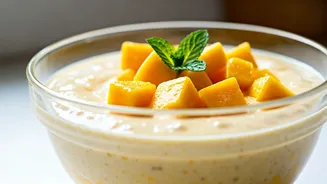
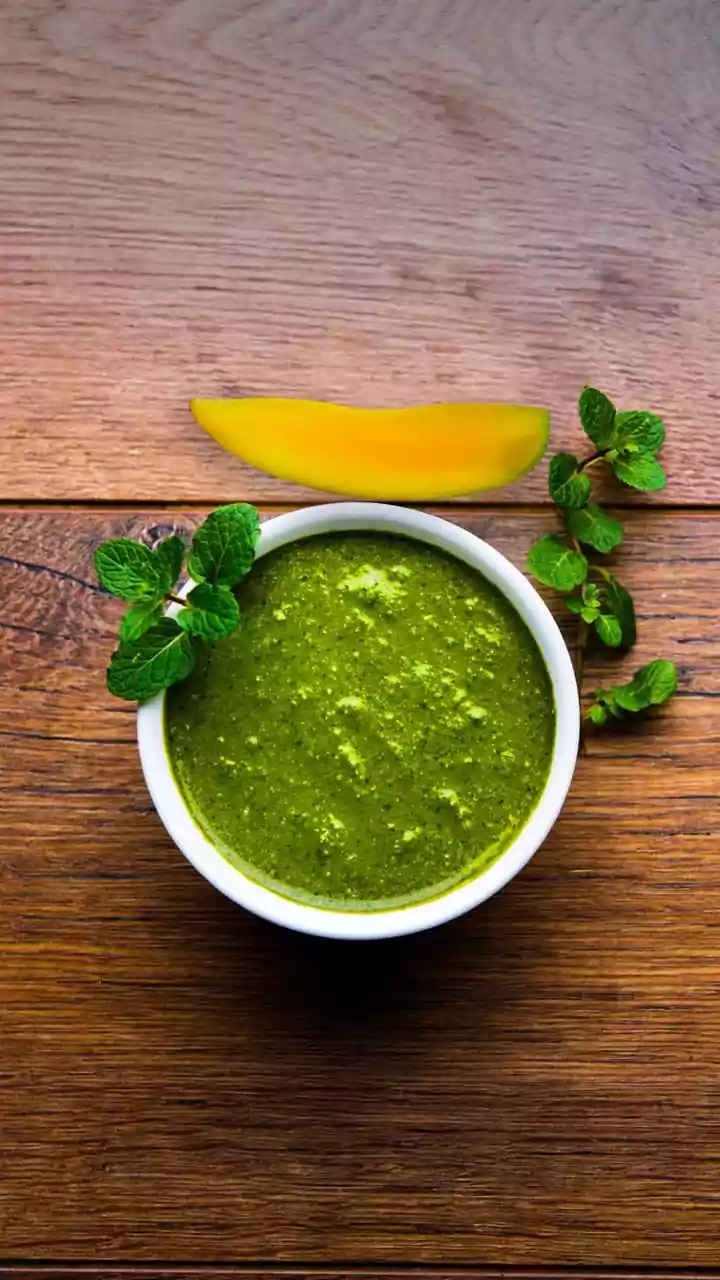
Now for the fun part. Your jar of golden, fermented gems is ready to be the star of the party. Here are a few ideas: * **The Ultimate Summer Cooler:** Take a cup of the fermented mango cubes and a cup of their brine, and blend them into a smooth, fizzy liquid. Serve it over ice with a sprig of mint and a splash of sparkling water. It's a probiotic, tangy, and incredibly refreshing drink. * **A Zesty Mango Salsa:** Finely chop the fermented mangoes and mix them with red onion, coriander, and a bit of finely diced chilli. It’s the perfect tangy counterpoint to grilled fish, chicken, or paneer. * **Salad Dressing with a Kick:** Use the leftover brine as a base for a vinaigrette. Whisk it with a little olive oil and honey for a dressing that will transform any simple salad.