






What Is This Icy Trend?
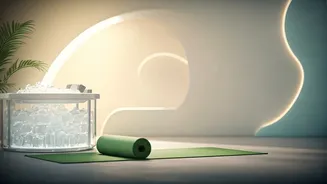
At its core, cold therapy involves deliberately exposing your body to cold temperatures for a short period. This isn't a new idea; athletes have used ice baths for decades to reduce muscle soreness. But the modern viral trend, popularized by figures like
Wim 'The Iceman' Hof, has brought it to the masses. It ranges from ending your daily shower with a blast of cold water to full-on immersion in a tub filled with ice. The central premise is that this brief, intense stressor—known as hormesis—can trigger a cascade of positive physiological responses in the body.
Why Is Everyone Suddenly Doing It?
The appeal lies in its simplicity and the dramatic, visible results. It feels hardcore, a mental and physical challenge that people can document and share. Influencers and celebrities post videos of their 'cold plunges,' framing it as a hack for discipline, mental toughness, and elite wellness. The promise is tantalizing: a simple, if uncomfortable, daily habit that can potentially replace expensive supplements or complicated routines. It taps into our desire for quick fixes and our fascination with pushing personal limits, making it perfect content for the age of self-optimization.
The Claimed Benefits: A Miracle Cure?
Proponents of cold therapy list a wide array of benefits. The most common claims include reduced inflammation and muscle soreness, a boosted immune system, and improved metabolism through the activation of 'brown fat,' a type of fat that burns calories to generate heat. On the mental front, it's touted as a powerful mood booster, with anecdotes of euphoria and mental clarity following a plunge. Many users report feeling more resilient and energetic, attributing it to the rush of adrenaline and the profound sense of accomplishment after enduring the cold.
The Science: What's Actually Happening?
This is where the hype meets reality. There is indeed science to support some of these claims, though the evidence is still developing. When your body hits cold water, it releases a flood of hormones, including norepinephrine and dopamine. Norepinephrine helps reduce inflammation and sharpen focus, while dopamine is a key neurotransmitter in the brain's reward system, which explains the post-plunge 'high' or mood lift. Some studies suggest that regular cold exposure can increase the amount of brown adipose tissue (BAT), which could have a modest effect on metabolism. However, many studies are small, and it's far from a weight-loss miracle. The benefit for muscle recovery is also well-documented, as the cold constricts blood vessels, helping to flush out metabolic waste.
The Risks: This Isn't for Everyone
Jumping into freezing water is a significant shock to the system and not without risks. The 'cold shock response' can cause an involuntary gasp and hyperventilation, which is dangerous in water. It also puts immense strain on the heart, causing blood pressure and heart rate to spike. People with pre-existing cardiovascular conditions, such as high blood pressure, heart disease, or Raynaud's syndrome, should avoid it or consult a doctor first. Hypothermia is another real risk if you stay in for too long. The key is that the exposure should be brief and controlled.
How to Start Safely
If you're curious and have no underlying health concerns, the safest way to start is gradually. Begin by ending your regular warm showers with 15-30 seconds of cold water. Focus on controlling your breathing during the shock. Over weeks, you can slowly increase the duration. This allows your body to adapt without the overwhelming shock of a full ice bath. For those wanting to try an ice plunge, never do it alone. Start with a water temperature that is uncomfortably cold but not freezing (around 15°C) and stay in for just 1-2 minutes. The goal is a brief, powerful stimulus, not an endurance test.