







The 10-Minute Revolution
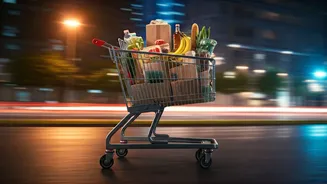
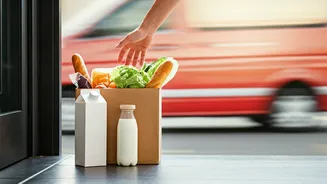
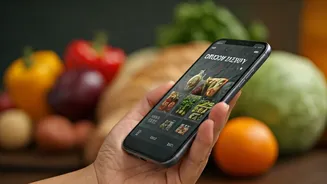
Not long ago, running out of a key ingredient mid-recipe meant a frantic dash to the local kirana store. Today, for millions of Indians, it means opening an app and having that item at their door in 10 to 30 minutes. This is the world of quick commerce,
or Q-commerce, and it's fundamentally rewiring the nation's consumption habits. This isn't just a niche service for metro cities; it represents a significant behavioural shift. The Indian quick commerce market, valued at over USD 3.65 billion in 2026, is rapidly expanding. This model, which promises ultra-fast delivery for groceries, household essentials, and more, has moved from a novelty to a daily utility for a growing number of households.
What's Fuelling the Rush?
Several factors are converging to create the perfect storm for on-demand shopping. Increased urbanisation means denser populations that make rapid delivery economically viable. The widespread penetration of smartphones and affordable data, coupled with the seamlessness of digital payment systems like UPI, has removed a major friction point for online transactions. The COVID-19 pandemic also played a crucial role, accelerating the adoption of online shopping for essentials out of necessity and embedding it as a permanent habit for many. Furthermore, a young, digitally native population, particularly Gen Z, has embraced the convenience, expecting instant gratification not just in entertainment but in retail as well. This generation is not just buying differently; they are discovering and interacting with brands in a whole new way, often through social media.
The Battle of the Apps
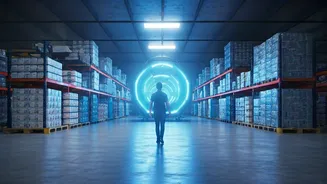
The on-demand space is currently dominated by a few key players locked in a fierce battle for market supremacy. Zomato-owned Blinkit, the well-funded startup Zepto, and Swiggy's Instamart collectively control a lion's share of the market. As of mid-2025, reports suggested Blinkit held a leading market share, closely followed by Zepto and Instamart, though these positions can shift rapidly in this dynamic sector. These companies are investing heavily in building out networks of 'dark stores'—small, local warehouses packed with inventory—which are the logistical backbone of the 10-minute delivery promise. Their strategies differ, with some focusing on deep discounts to acquire customers and others on optimising delivery routes and store efficiency to inch towards the elusive goal of profitability.
More Than Just Groceries
While groceries and staples still make up the bulk of quick commerce orders, the category is expanding at a remarkable pace. Need a new phone charger, a basic cosmetic product, over-the-counter medicine, or even a bouquet of flowers? There’s an app for that, and it will be delivered in minutes. Platforms are continuously testing the boundaries of what can be delivered 'instantly,' adding everything from consumer electronics and beauty products to stationery and pet supplies. This expansion is a deliberate strategy to capture a larger share of the customer's wallet, increase the average order value, and encourage more frequent use of the platform, moving it from an emergency service to an everyday shopping channel.
The Kirana Store Question
The meteoric rise of Q-commerce has raised questions about the future of India's millions of traditional neighbourhood kirana stores. These small, family-run shops have been the bedrock of Indian retail for generations. While some worry about their ability to compete with the speed and deep discounts of tech giants, others see an opportunity for evolution. Many Q-commerce platforms, in fact, rely on partnerships with local stores for hyperlocal fulfillment. The most resilient kirana stores are adapting by embracing digital tools, such as accepting digital payments, using WhatsApp for orders, and partnering with hyperlocal delivery services themselves. This suggests a future that may not be a zero-sum game but rather a hybrid model where technology and tradition coexist.