

From Sprawling to Smart
For decades, the pinnacle of Indian luxury was synonymous with sheer scale—vast farmhouses, opulent bungalows, and palatial penthouses. This was a hangover from a time when land was more accessible and success was displayed through visible excess. Today,
however, a quiet revolution is taking place in the high-end apartments of Mumbai, Delhi, and Bengaluru. The new aspiration is not just a bigger home, but a smarter one. Designers and homeowners are increasingly prioritising functional, adaptable living spaces where every piece of furniture and every square inch of the floor plan serves a purpose. This marks a significant cultural shift from luxury as a display of status to luxury as an enhancement of daily life and well-being.
The Drivers of a New Aesthetic
Several factors are fuelling this trend. The most obvious is the soaring cost and scarcity of prime real estate in India’s metropolitan hubs. As apartment sizes shrink, even for those with significant budgets, the focus naturally shifts to maximizing the available area. Beyond economics, there's a generational change in lifestyle and mindset. Younger affluent buyers often value experiences and convenience over sheer asset size. They seek homes that can effortlessly adapt to their dynamic lives, accommodating work-from-home needs, social gatherings, and personal wellness, all within a compact footprint. This has pushed designers to get genuinely clever, turning what might have once been considered a constraint into a design challenge to be solved with creativity.
The Art of Maximising Metres
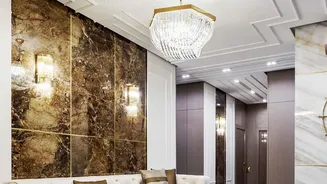
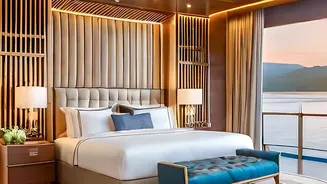
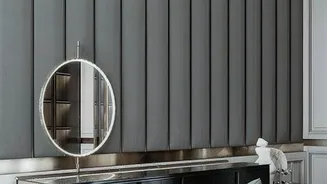
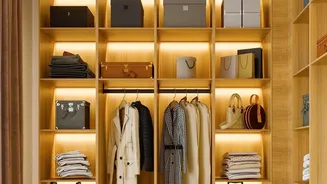
So, what does this new space-conscious luxury look like in practice? It’s defined by a few key principles. Multi-functional furniture is paramount; think dining tables that fold away to become sleek consoles, sofas that hide guest beds, and ottomans that offer discreet storage. Vertical space is another crucial element. Floor-to-ceiling wardrobes and wall-mounted shelves draw the eye upward, creating an illusion of height and freeing up precious floor area. Designers are also using clever zoning techniques—employing glass partitions, sculptural lighting, or even rugs to delineate different functional areas within an open-plan layout without building obstructive walls. Finally, the use of light and reflective surfaces, such as mirrors and glossy finishes, helps to bounce light around a room, making it feel more airy and expansive.
Functionality is the New Finery
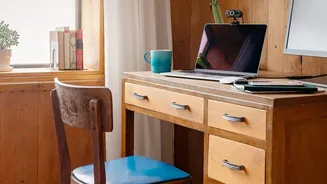
In this new paradigm, the quality and utility of an object trump its size. Luxury is found in the meticulous craftsmanship of a transformable piece of furniture, the seamless integration of smart home technology, and the use of high-quality, durable materials that look good while being easy to maintain. Finishes become incredibly important; a rich walnut or a sophisticated anthracite grey can create a sense of warmth and continuity across a space. The focus is on a curated, decluttered environment where each item earns its place. Storage is no longer an afterthought but an integral and often invisible part of the design, with hidden cabinets and well-planned cabinetry keeping clutter at bay. This shift means convenience itself has become a form of luxury, with a home’s real value lying in how effortlessly it supports everyday living.