




1. Bajra (Pearl Millet)
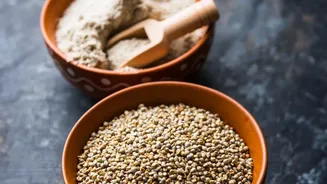
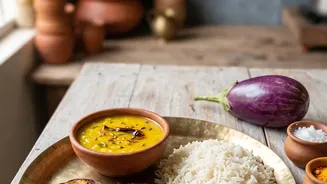
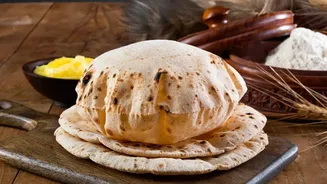
This ancient grain is a winter powerhouse traditionally consumed in states like Rajasthan and Gujarat. Bajra is a complex carbohydrate that provides sustained energy, which is perfect for combating winter lethargy. It is naturally warming and packed with
essential minerals like magnesium, iron, and phosphorus, which support heart health and energy levels. Being gluten-free and high in fibre, it also aids digestion, a common concern as our metabolism slows in colder weather. Weekday tip: Swap regular wheat flour with bajra flour to make quick rotis. They pair wonderfully with any sabzi or dal. For an even faster option, make a simple bajra porridge or khichdi, which cooks quickly and serves as a hearty, one-pot meal.
2. Sarson ka Saag (Mustard Greens)
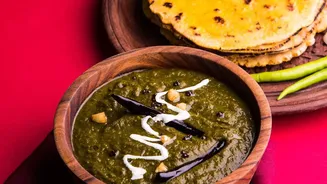
A quintessential Punjabi winter dish, Sarson ka Saag is more than just comfort food. Mustard greens, the star ingredient, are loaded with vitamins A, C, and K, which are crucial for boosting immunity and maintaining bone health. These greens also provide iron and antioxidants to help fight off seasonal illnesses. Traditionally, saag is a slow-cooked dish, but with a little planning, it fits right into a busy week. Weekday tip: Prepare a large batch of the saag base (blended greens) over the weekend. During the week, just heat a portion and add a quick tadka of ghee, garlic, and onions for a fresh, homemade taste in minutes. It serves as a delicious and nutrient-dense meal with a bajra or makki ki roti.
3. Shakarkandi (Sweet Potato)
Sweet potatoes are a winter superfood that are both delicious and incredibly nutritious. They are an excellent source of beta-carotene (which the body converts to Vitamin A), Vitamin C, and dietary fibre. These nutrients are vital for supporting a strong immune system, which is especially important when colds and flu are rampant. They are also considered a warming food in Ayurveda and provide sustained energy thanks to their complex carbohydrates. Weekday tip: Shakarkandi is extremely easy to prepare. Simply boil or roast a few at the beginning of the week. You can then quickly peel and chop them to make a tangy shakarkandi chaat with lemon juice and spices, or just have them as a simple, filling snack with a pinch of salt.
4. Gajar (Carrots)
Winter brings vibrant red carrots, which are sweeter and juicier than their orange counterparts. Carrots are famously rich in beta-carotene, supporting eye health, skin, and immunity. While Gajar ka Halwa is a beloved winter dessert, its traditional preparation can be time-consuming and heavy. However, you don't have to give up on this winter treat entirely. Weekday tip: For a quick and healthier version of the halwa, grate carrots and cook them in a pressure cooker with milk, a natural sweetener like dates or jaggery, and a pinch of cardamom. This drastically cuts down the cooking time. Alternatively, simply add grated carrots to your daily dals, sabzis, or even upma for a natural sweetness and a boost of Vitamin A.
5. Til (Sesame Seeds)
Sesame seeds, or til, hold a special place in Indian winter traditions for good reason. Ayurveda classifies them as 'ushna' or warming, helping the body generate internal heat. They are nutritional powerhouses, packed with calcium for bone health, healthy fats, iron, and zinc, which boosts immunity. The healthy fats and vitamin E in sesame seeds also help combat dry winter skin from within. Weekday tip: Prepare a batch of til-gud ladoos (sesame and jaggery balls) over the weekend. They make for a perfect, energy-boosting snack. You can also simply sprinkle a spoonful of roasted sesame seeds over salads, stir-fries, or yoghurt for a nutty flavour and a quick nutritional upgrade.
6. Panjiri
Panjiri is a traditional nutritional supplement from Punjab made from whole-wheat flour, ghee, nuts, and edible gum (gond). It's designed to be a concentrated source of energy and warmth. Rich in healthy fats, protein, and fibre, a small amount of Panjiri can keep you full and energised for hours. It is traditionally given to new mothers for recovery but is beneficial for anyone needing an energy boost during the demanding winter season. Weekday tip: Panjiri is the ultimate make-ahead food. Prepare one large batch at the start of winter and store it in an airtight container. A few spoonfuls with a glass of warm milk makes for a super-fast and deeply nourishing breakfast or an evening snack when you're feeling low on energy.
7. Methi (Fenugreek Leaves)
Fresh fenugreek leaves are abundantly available during winter and are known for their warming properties. Methi is an excellent source of iron, fibre, and antioxidants. It helps in digestion, can aid in regulating blood sugar levels, and is beneficial for skin and hair, which often suffer during the dry winter months. Weekday tip: Methi cooks very quickly. For a fast weeknight dinner, make Aloo Methi, a simple dry curry with potatoes that comes together in under 20 minutes. You can also chop and add the leaves directly to your dal tadka or knead them into the dough for parathas or theplas for a flavourful and nutritious meal.