







Understanding the 'No PUC, No Fuel' Mandate
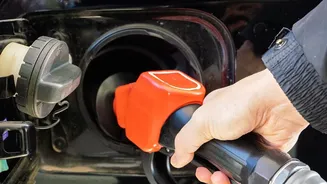
As part of its annual Winter Action Plan to combat air pollution, the government has mandated that no petrol, diesel, or CNG will be sold to any vehicle that does not have a valid Pollution Under Control (PUC) certificate. This rule, which was previously
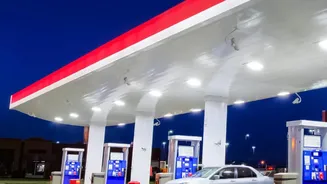
in effect in Delhi, has been expanded to cover the entire NCR, including districts in Haryana and Uttar Pradesh, starting from October 1, 2026. The goal is to ensure that all vehicles on the road comply with emission standards, reducing the overall pollution load. Fuel stations are now equipped with systems to verify your PUC status before refuelling.
What Exactly is a PUC Certificate?
A PUC certificate is a document that certifies your vehicle's emissions are within the government-prescribed limits. It is a mandatory requirement under the Central Motor Vehicles Rules, 1989. New vehicles are exempt for the first year from their registration date. For modern vehicles (BS-IV and BS-VI compliant), a PUC certificate is valid for 12 months. For older models, the validity is typically shorter. The test measures pollutants like Carbon Monoxide and Hydrocarbons to ensure they don't exceed safe levels.
How to Get a Valid PUC Certificate
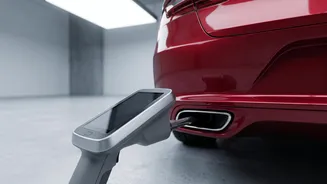
Obtaining a PUC certificate is a straightforward process. You must take your vehicle to an authorised emission testing centre. These are often located at petrol pumps and standalone workshops across the city. A technician will insert a probe into your vehicle's exhaust pipe to analyse the emissions. If your vehicle passes the test, the centre will issue a digitally generated certificate linked to the central Parivahan database. The cost is nominal, typically ranging from ₹60 to ₹100, depending on whether you have a two-wheeler, a petrol car, or a diesel car.
Checking Your Status and Automated Enforcement
Many fuel stations across Delhi-NCR are now fitted with Automatic Number Plate Recognition (ANPR) cameras. As you drive in, these cameras scan your vehicle's number plate and instantly check its PUC status against the national Parivahan database. If your certificate has expired, the system will flag your vehicle, and the pump operator will be instructed not to dispense fuel. In places where ANPR cameras are not yet active, pump staff may manually verify your certificate. You can also check your PUC status yourself by visiting the Parivahan website and entering your vehicle's registration number.
Penalties for Non-Compliance
Being denied fuel is not the only consequence of an expired PUC certificate. Under the Motor Vehicles Act, driving without a valid PUC can attract a hefty fine of up to ₹10,000. In addition to the fine, authorities also have the power to suspend your driving licence for up to three months. An invalid PUC can also cause complications with your vehicle insurance, as some insurers may reject claims if this mandatory document is not in order.