

Wholesale vs. Retail Prices
Think of the economy as a long chain. Manufacturers create products, and retailers (the shops you visit) buy these goods in bulk to stock their shelves. The price a retailer pays for these bulk goods is the wholesale price. The price you, the consumer,
pay at the counter is the retail price. In India, changes in wholesale prices are tracked by the Wholesale Price Index (WPI), which measures the average price movement of goods traded in bulk. The Consumer Price Index (CPI), on the other hand, tracks the prices you actually pay. While they measure different things, they are closely linked; the WPI is often seen as an early warning system for future retail inflation.
The Key Pressure Points
So, what exactly puts 'pressure' on wholesale prices, causing them to rise? It's a mix of several powerful factors. A major driver is the cost of energy. According to recent data from October 2026, rising global crude oil prices have a direct impact. Since nearly all goods need to be transported, higher fuel costs for trucks and ships mean higher logistics expenses, which get baked into the wholesale price. Another key factor is the price of raw materials. For example, an increase in the cost of basic metals, chemicals, or textiles makes it more expensive to produce everything from cars to clothes. Recent figures for September 2026 showed that inflation in manufactured goods reached a record 9.76%, driven by these input costs.
A Domino Effect on Your Bills
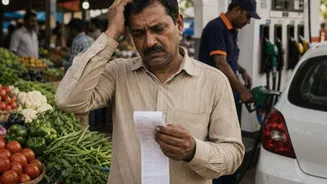
A jump in wholesale prices doesn't instantly appear on your grocery bill. There's often a time lag. Retailers might absorb the initial increase to avoid scaring off customers, especially for their own private-label brands. However, if the pressure continues, they have little choice but to pass the cost on. This transmission can take anywhere from a few months to a year to fully materialize. The impact varies by category. Food prices are particularly sensitive. Recent data shows food inflation at the wholesale level climbed to 8.66% in September 2026, up from 7.05% the previous month. This is because energy, fertiliser, and packaging costs are all significant parts of the food supply chain.
How Retailers and Consumers Respond
Retailers are in a tough spot. Faced with higher wholesale costs, they must balance protecting their profit margins with keeping prices competitive. Some may try to absorb the costs for as long as possible, while others will implement targeted price increases. As prices rise, consumers naturally become more cautious and value-focused. Many shoppers respond by switching to more affordable private-label products, buying smaller pack sizes, or frequenting discount stores. This shift in consumer behaviour can, in turn, put pressure back on brands and retailers to moderate their price hikes and offer promotions to retain their customer base.
What to Expect Next
Monitoring the WPI can offer clues about the direction of future retail prices. The latest figures show a significant jump in wholesale inflation in India, reaching 11.39% in September 2026. This was primarily driven by sharp rises in fuel, power, and manufactured goods. The fuel and power category alone saw inflation accelerate to over 25%. While this doesn't guarantee an identical rise in consumer prices—as the CPI also includes services, which the WPI does not—it does signal that upward pressure on the cost of goods will likely continue. For the everyday consumer, this means staying informed about these trends is more important than ever to understand the economic forces shaping your household budget.