




Why Bananas? The Potassium Power-Up
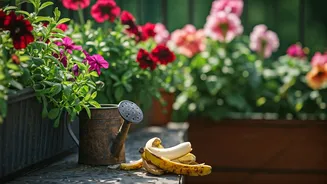
Before you dismiss this as just another internet hack, there's some simple plant science behind it. Banana peels are a fantastic source of potassium, a crucial macronutrient for plants. Think of it as part of a plant's essential diet, alongside nitrogen
and phosphorus. Potassium plays a vital role in several key functions: it helps regulate water movement within plant cells, strengthens stems, improves disease resistance, and, most importantly for a summer balcony, encourages vibrant flowering and fruiting. While a banana peel won't provide a complete N-P-K (Nitrogen-Phosphorus-Potassium) profile like a commercial fertiliser, it delivers a targeted dose of potassium that is especially beneficial for flowering plants during their peak growing season.
Your Simple Banana Spray Recipe
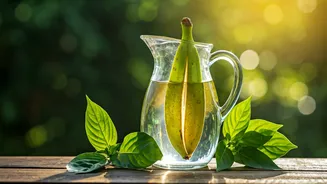
Making this 'banana tea' or spray is incredibly easy and a great way to reduce kitchen waste. You don’t need any special equipment, just a few common household items. **What You’ll Need:** - Peels from 2-3 ripe bananas (organic, if possible, to avoid pesticide residue) - 1 litre of water - A large jar or container with a lid - A spray bottle **The Method:** 1. **Chop the Peels:** Roughly chop the banana peels into smaller, one-inch pieces. This increases the surface area, allowing more nutrients to leach into the water. 2. **Soak and Steep:** Place the chopped peels into your jar and cover them with the litre of water. Seal the jar and leave it to steep for 2 to 3 days in a cool, dark place. You might notice the water turning a pale, brownish colour – that's a good sign the nutrients are infusing. 3. **Strain the Liquid:** After a few days, strain the liquid to remove all the solid peel pieces. This step is crucial to prevent the spray bottle from clogging and to avoid leaving decaying matter on your plants, which could attract pests. Discard the leftover peels in your compost bin. 4. **Prepare for Spraying:** Pour the strained 'banana tea' into your spray bottle. Your nutrient-rich summer boost is now ready to use.
How and When to Apply It
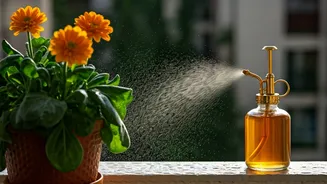
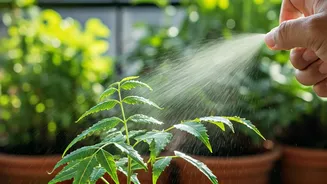
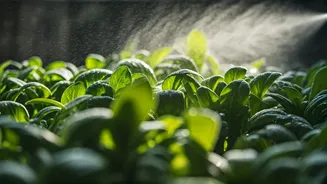
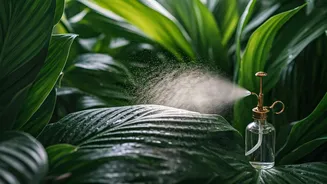
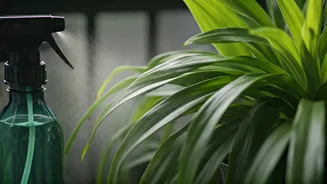
Application timing and method can make a big difference. For best results, use the spray once every 10-14 days during the active summer growing season. Avoid overdoing it; like any supplement, more is not always better. The best time to spray your plants is in the early morning or late evening. Applying it during the midday sun can cause the liquid on the leaves to heat up and potentially scorch the foliage. You have two options for application: as a foliar spray or a soil drench. Lightly mist the leaves (both top and underside) for quick absorption. Alternatively, you can pour the liquid directly onto the soil around the base of the plant. This method delivers the potassium straight to the roots, which is equally effective.
Which Balcony Plants Love It Most?
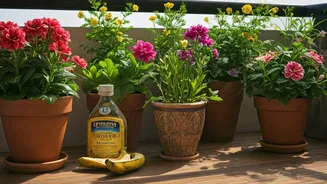
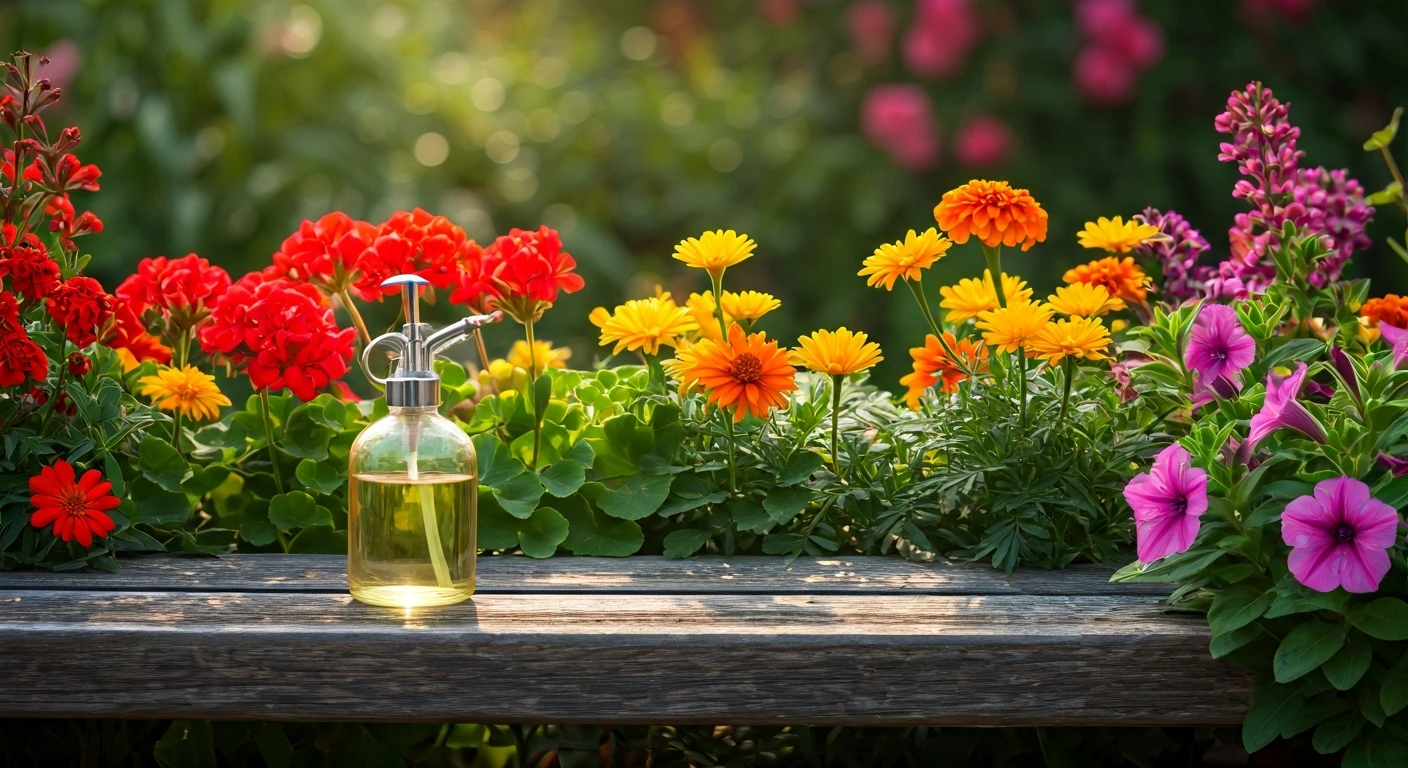
While most plants will appreciate the gentle nutrient boost, some are particularly responsive to the extra potassium. This spray is a superstar for any plant prized for its flowers or fruit. On a typical Indian balcony, this includes: - **Roses:** Potassium is known to encourage bigger, more plentiful blooms on rose bushes. - **Hibiscus:** This tropical favourite will thank you with more of its show-stopping flowers. - **Flowering Annuals:** Plants like petunias, marigolds, and bougainvillaea that flower profusely throughout the summer will benefit greatly. - **Fruiting Plants:** If you’re growing tomatoes, chillies, or peppers in containers, the potassium aids in flower development, which is the first step to producing fruit.
Important Tips and Considerations
This DIY spray is a supplement, not a replacement for a balanced fertiliser. Your plants still need nitrogen for leafy growth and phosphorus for root development. Think of the banana spray as a specialised booster, not a complete meal. It’s also wise to use the mixture fresh. Don't store it for more than a week, as it can begin to ferment and smell unpleasant. Most importantly, always strain the liquid thoroughly. Leaving bits of peel in the spray or on the soil can attract pests like fruit flies and fungus gnats, creating a new problem while trying to solve another. If pests are a concern, stick to using the mixture as a soil drench rather than a foliar spray.