


Why the Monsoon Demands a Decor Rethink
The monsoon season in India is more than just rain; it's a period of pervasive dampness that seeps into our homes and lives. The constant high humidity creates an environment where problems like mould, mildew, peeling paint, and musty odours thrive. Porous
surfaces, such as thick carpets, heavy velvet curtains, and unsealed wooden furniture, act like sponges, trapping moisture and becoming breeding grounds for fungal growth. This not only damages your expensive decor but can also impact indoor air quality and contribute to respiratory issues. Furthermore, the gloomy, overcast skies can make interiors feel dark and unwelcoming. A conscious shift to easy-care, moisture-resistant surfaces is not just an aesthetic choice but a practical necessity for a healthy, fresh, and bright home during the rainy season.
Flooring That Fights Back Against Damp
Your floor is the largest surface in any room and the first line of defence against tracked-in rainwater and ambient moisture. During the monsoon, wall-to-wall carpeting is best avoided as it absorbs and retains dampness, takes a long time to dry, and can develop a stubborn musty smell. A far better choice are non-porous materials that are easy to wipe clean. Vitrified tiles are an extremely popular and practical option in India due to their low water absorption rate. Likewise, materials like granite, polished concrete, and luxury vinyl are excellent at resisting moisture. If you love the warmth of wood, consider engineered hardwood or bamboo flooring, which are designed to be more stable and resistant to swelling in humid conditions than solid wood. For a quick seasonal fix, roll up your heavy rugs and replace them with lightweight, washable cotton dhurries or jute mats that add colour and texture without trapping moisture.
Walls and Windows Dressed for the Weather
Walls are particularly vulnerable to monsoon-related damage, showing signs of distress through peeling paint and dark patches of mould. Applying a coat of moisture-resistant paint or an anti-fungal coating before the season starts can offer significant protection. For areas with persistent dampness, waterproof wall solutions like PVC panels or high-pressure laminates provide a durable, seamless barrier that moisture cannot penetrate. When it comes to windows, it's time to swap out heavy drapes. Thick fabrics like velvet or brocade can absorb humidity, block limited natural light, and make rooms feel smaller and gloomier. Instead, opt for light, airy, and quick-drying materials like sheer cotton, linen, or lace. These fabrics allow for better air circulation and let in maximum daylight, which is essential for combating the dreariness of overcast days.
Furniture That Endures the Humidity
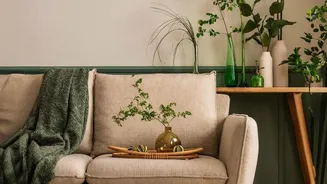
Wooden furniture can swell, warp, and even grow mould in consistently high humidity. To protect it, ensure pieces are not placed directly against damp walls, allowing air to circulate behind them. Applying a fresh coat of wax or sealant before the monsoon arrives can provide a protective layer. However, the best long-term strategy is to invest in furniture made from materials that are naturally resilient to moisture. Metal furniture, such as powder-coated aluminium or stainless steel, is a sleek, modern, and waterproof option. Marine-grade plywood and properly sealed Medium-Density Fiberboard (MDF) are engineered to withstand humid conditions without damage. For upholstered furniture, choose covers made from synthetic blends, leatherette, or light cottons that are easy to clean and do not retain moisture like heavy velvets or chenille.
Beyond Surfaces: Managing Light and Fragrance
Creating a monsoon-ready home goes beyond just the primary surfaces. With less natural sunlight, interiors can feel dull. You can counteract this by strategically placing mirrors to reflect light and create an illusion of space. Switching to warm-toned LED lights can add a cosy, sun-like glow to your rooms. Another challenge is the persistent musty odour that accompanies dampness. Tackle this by ensuring good ventilation whenever it isn't raining and using natural fragrances. Placing bowls of potpourri, using camphor or neem leaves (which also act as insect repellents), or lighting scented candles can effectively combat stale smells and infuse your home with a fresh, pleasant aroma. The gentle tinkling of a wind chime by a window can also add a cheerful, auditory element to an otherwise gloomy day.