




The Strategic Menu: Choose Your Stars
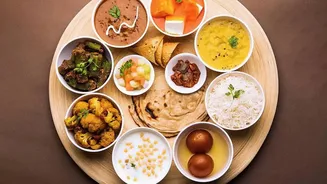
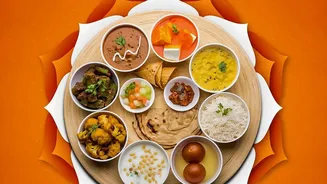
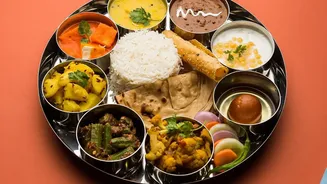
Instead of feeling pressured to make a dozen different dishes, focus on a 'less is more' approach. You don't have to abandon tradition, just curate it. Select three to four 'star' dishes that truly define the celebration for your family. This might include
one cherished main course like a special biryani or curry, a couple of must-have snacks or sides, and one showstopper dessert. By limiting the variety, you ensure each dish gets the attention it deserves and reduce the risk of having overwhelming amounts of leftovers. This approach also helps manage the social pressure to taste everything, allowing guests to truly savour what's on offer.
Plan Your Portions Practically
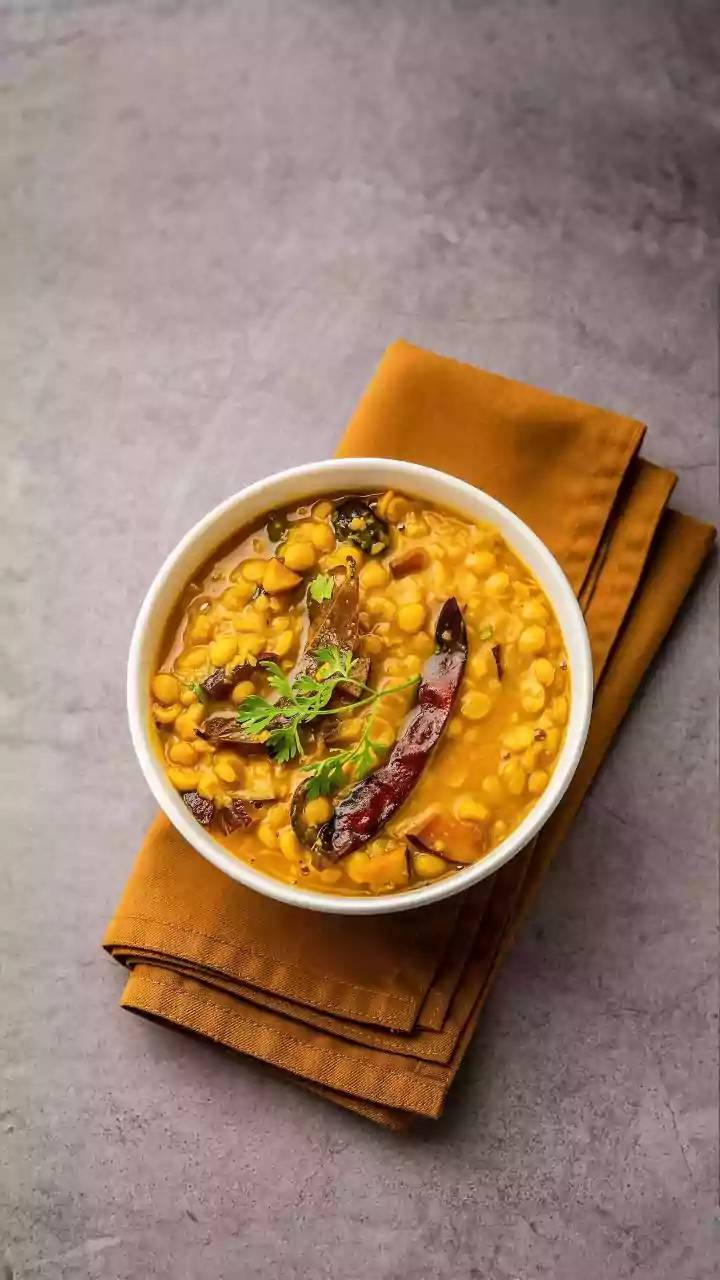
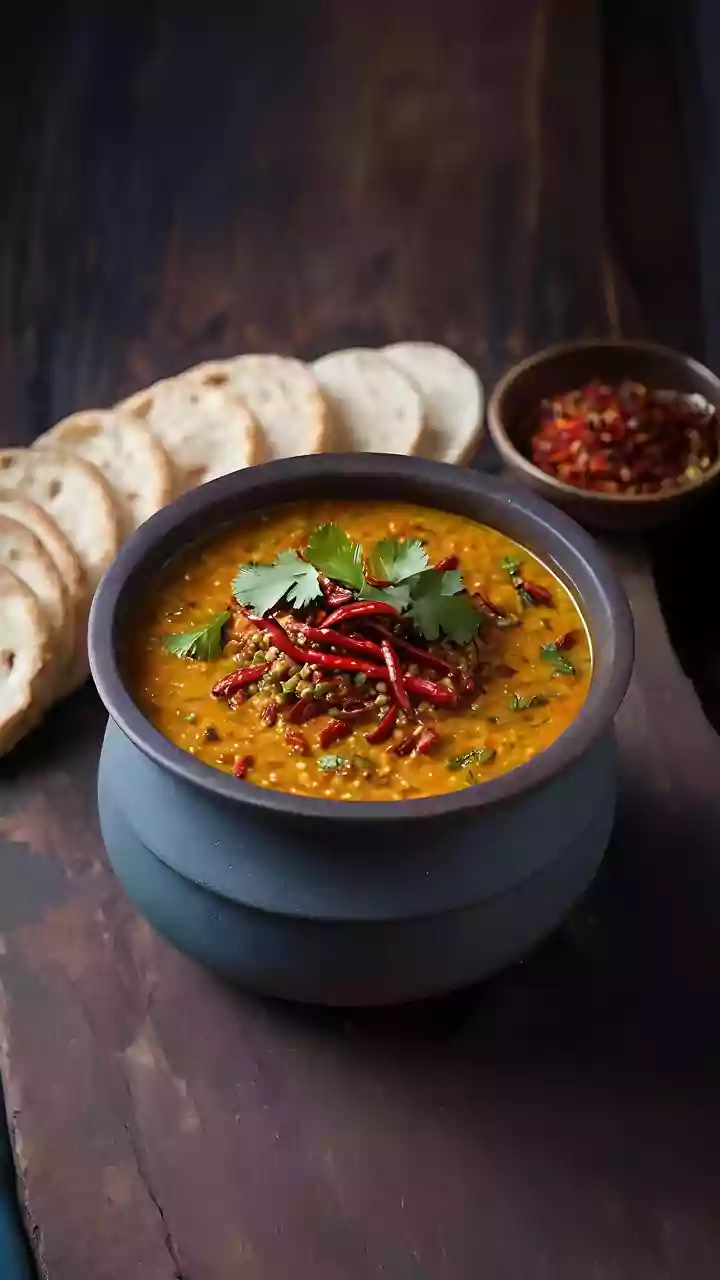
Estimating how much food to make is often the hardest part of hosting. A simple starting point is to use visual cues. For rice, a serving is roughly the size of a closed fist or one standard teacup per person. For dals and curries, one to two ladlefuls or a small 'katori' is usually sufficient. Remember that when more dishes are available, people tend to take smaller portions of each. It's also wise to consider your guest list; having a rough idea of who prefers vegetarian or meat dishes can prevent making too much of one thing. Always plan for a little extra of staples like rice or dal, which are more versatile as leftovers than a third rich, elaborate main course.
Smart Cooking, Lighter Choices
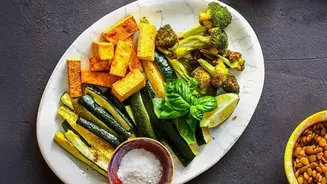
Balancing tradition with health doesn't mean you have to sacrifice flavour. Simple swaps in your cooking methods can make a big difference. Instead of deep-frying everything, consider baking, grilling, or air-frying snacks like tikkis and kebabs. For sweets and snacks that traditionally use refined flour (maida), try substituting it with whole wheat or millet flours like jowar and ragi for a more nutritious alternative. When preparing meals, opting for homemade over store-bought gives you complete control over ingredients, allowing you to reduce sugar with natural sweeteners like jaggery or dates, and use healthier fats.
Prep Ahead to Reduce Stress
A calm host makes for a happy gathering. Do as much as you can before the day of the festival. Chop vegetables, prepare curry bases, and make chutneys or dessert components a day or two in advance. Having these basics ready makes assembling the final meal much quicker and less chaotic. Planning your cooking schedule also helps. Write down what needs to be cooked when, which dishes can be made ahead and reheated, and what needs to be prepared just before serving. This organisation prevents last-minute panic and ensures everything comes together smoothly.
Embrace the Art of Leftovers
Even with the best planning, leftovers happen. The key is to view them not as a burden, but as an opportunity for creative new meals. Leftover roast chicken or vegetables can be shredded and stuffed into frankie rolls or sandwiches. A saucy curry can become an excellent, flavourful base for a pasta dish or a filling for a grilled cheese sandwich. Even leftover sweets can find a new life; motichoor ladoos can be crumbled and turned into truffles, while kaju katli can be used as a base for a cheesecake. This mindset shift reduces food waste and extends the festive feeling for another day or two.