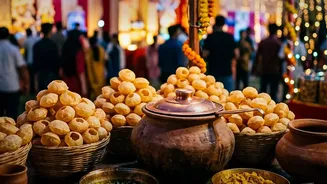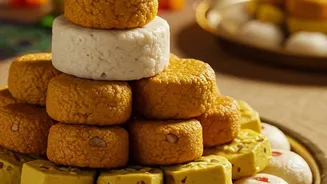

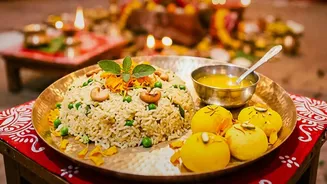
For generations, Indian mithai has meant familiar comforts. But a quiet, delicious revolution is underway. Regional sweets are getting a chic makeover, transforming them from festive staples into objects of modern gourmet desire. What’s behind this evolution?
From Traditional Treat to Artisanal Treasure
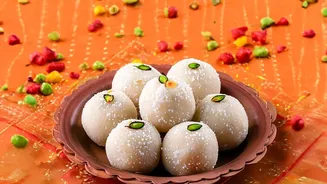
Indian sweets have always been central to celebrations, but their identity is expanding. The humble neighbourhood sweet shop still holds its place, but a new category of artisanal and premium mithai is emerging, mirroring the evolution seen in coffee and chocolate. Consumers, especially younger urban buyers, are now seeking more than just a sugar rush; they're looking for quality ingredients, hygienic production, and sophisticated presentation. This has paved the way for a renaissance where traditional mithai is being reimagined not just as a sweet, but as a craft. Brands are now focusing on the entire experience, from the sourcing of ingredients to the elegant packaging, turning a simple box of sweets into a luxury gift.
A Hunger for Authenticity and Nostalgia
In a globalised world, there's a growing curiosity for food that tells a story. This has sparked a renewed interest in regional Indian sweets that were once known only within specific communities. Younger consumers are rediscovering the appeal of their heritage, drawn to the authentic flavours and nostalgic value of traditional recipes. For many, these sweets offer a connection to childhood memories and family gatherings. This search for authenticity has encouraged chefs and brands to dive deep into India's diverse culinary landscape, bringing lesser-known delicacies from different states to a national audience. The appeal is no longer just about taste, but also about the craftsmanship and cultural identity embedded in each sweet.
The New 'Mithaiwala' and Global Techniques
A new generation of chefs and entrepreneurs is leading this change. They are approaching mithai with a fresh perspective, viewing it as a format with immense room for creativity. By applying modern pastry techniques to classic Indian recipes, they are creating innovative fusion desserts. You might find a Gulab Jamun Cheesecake, a Coffee Rasgulla Tiramisu, or a Motichoor Ladoo Tart on their menus. These creations blend familiar Indian tastes with global dessert formats, making them exciting for contemporary palates. Brands like Bombay Sweet Shop and Nihira are celebrated for their inventive takes, such as a Pista Khubani Barfi or even 'Mojito Ladoos', showing that the possibilities are endless when tradition meets innovation.
Health-Conscious Indulgence
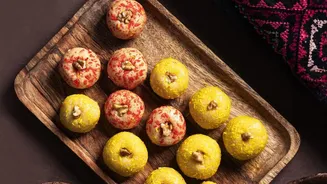
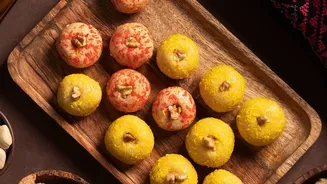
The modern evolution of Indian sweets is also driven by a growing focus on wellness. While traditional mithai is often known for its liberal use of sugar and ghee, newage sweet makers are responding to the demand for healthier options. Many are experimenting with natural sweeteners like jaggery, dates, and honey, and using alternative flours made from millets or almonds. This has given rise to vegan, glutenfree, and even sugarfree versions of classic sweets, such as the sugarfree Khoa Gulab Jamun and Peda introduced by some brands. This shift allows consumers to indulge without guilt, broadening the appeal of mithai to a more healthconscious audience.
The Power of Presentation and Gifting
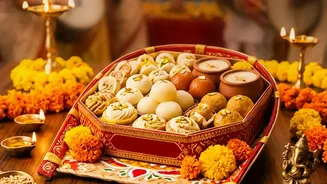
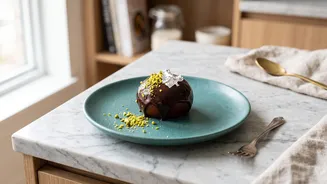
In the age of social media, aesthetics are paramount. Today's gourmet mithai is designed to be as beautiful as it is delicious. Artisans are crafting sweets that resemble miniature works of art, with intricate designs and elegant finishing touches like edible gold leaf. The packaging has also been transformed, with many brands offering beautifully designed boxes that enhance the gifting experience. This focus on presentation has been a major growth engine, especially within India's expanding gifting economy for festivals, weddings, and corporate events. An elegantly packaged box of artisanal mithai is no longer just a sweet treat; it is a thoughtful, premium statement.