



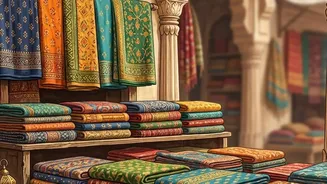
The Fabric of the City
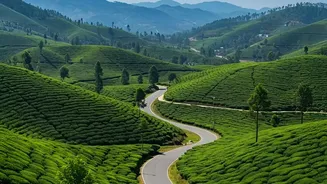
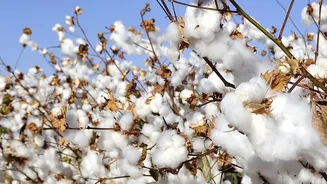
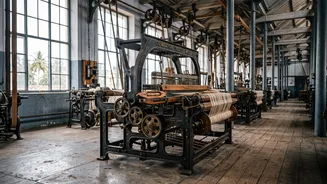
Coimbatore's identity is woven from cotton. The city's journey as an industrial powerhouse began in the late 19th century with the establishment of its first textile mills. The combination of the region's black soil, perfect for cotton cultivation, and
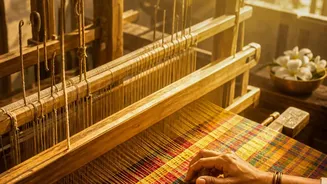
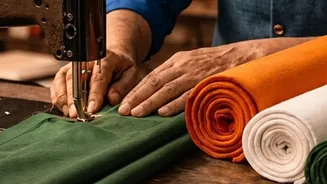
the entrepreneurial spirit of its people laid the foundation for a booming textile industry. The arrival of the Pykara hydro-electric project in 1932 supercharged this growth, providing abundant power for spinning mills and weaving sheds. While many of the original mills are no longer operational for tours, their legacy endures in the city's economic fabric. To connect with this history, visitors can explore the bustling textile markets around Oppanakara Street and Big Bazaar Street, where the city's famous cottons and silks are on full display.
An Inventor's Paradise: The GD Naidu Museum
No exploration of Coimbatore's industrial history is complete without paying homage to Gopalswamy Doraiswamy Naidu, often called the 'Edison of India'. The G.D. Naidu Industrial Exhibition is a testament to his inventive genius and passion for technology. This fascinating museum showcases a vast collection of machines and gadgets, many collected by Naidu during his travels or invented by him. You can see everything from early automobiles and cameras to rare engineering devices and the evolution of everyday technology. The museum is not just a static display; it's an interactive experience that provides a deep appreciation for the mechanical and electrical engineering prowess that has long defined the city. It includes the Gedee Car Museum, which features a remarkable collection of vintage and classic cars from around the world.
The Roots of Forestry at Gass Forest Museum
Before the hum of mills, there was the rustle of leaves. The Gass Forest Museum, established in 1902 by Conservator of Forests Horace Archibald Gass, offers a different perspective on the region's industrial relationship with nature. As one of India's oldest forestry museums, it houses an incredible collection related to the natural wealth of the Western Ghats. Housed in a historic British Gothic-style building, the museum features exhibits on timber, wildlife, insects, and tribal artifacts. A highlight is the massive cross-section of a 456-year-old teak tree. Visiting provides context for the raw materials and environmental backdrop that shaped Coimbatore’s development, long before it became an industrial hub.
Nature's Powerhouse: Siruvani Waterfalls
Industry cannot thrive without water and power. The Siruvani River and the waterfalls it creates, known as Kovai Kutralam, have been the lifeblood of Coimbatore for decades. The water from the Siruvani is renowned for its taste and is a primary source of drinking water for the city. A visit to the scenic Kovai Kutralam falls, located about 35 kilometres from the city, connects you to the natural forces that enabled Coimbatore's industrial boom. The area is managed by the Forest Department, ensuring its pristine beauty is preserved. It's a reminder that behind every factory and innovation, there is a dependence on natural resources, making it a crucial stop on an industrial history tour.
A Taste of Hard Work: Kongunadu Cuisine
The culture of a city is often reflected in its food, and Coimbatore is no exception. The local Kongunadu cuisine is hearty, flavourful, and deeply connected to its agricultural and working-class roots. Dishes are traditionally made with fresh, local ingredients like coconut, turmeric, and shallots, with less emphasis on heavy spices. A classic meal to try is Arisi Paruppu Sadam, a simple but satisfying rice and lentil dish often topped with ghee. For non-vegetarians, Pallipalayam Chicken offers a rustic, spicy flavour. Exploring the local 'mess' restaurants for a full meal served on a banana leaf offers an authentic taste of the food that has fuelled generations of workers and entrepreneurs in the region.