



Why Texture Is an Unsung Hero
Flavor often gets all the credit, but texture is what makes food truly satisfying. It’s the physical sensation in your mouth—the snap of a fresh vegetable, the creaminess of a sauce, or the chewiness of perfectly cooked pasta. Without interesting textures,
even the most flavorful dish can feel one-dimensional or boring. A meal with only soft foods can feel flat, while a plate with balanced, contrasting textures is more engaging and memorable. When an ingredient is missing, its textural contribution is often what you'll miss most, even if you don’t consciously realize it. This is why a substitution that matches flavor but ignores texture can result in a dish that just feels wrong, like a cake that's dense and dry or a stir-fry that's mushy instead of crisp.
Thinking in Texture Categories
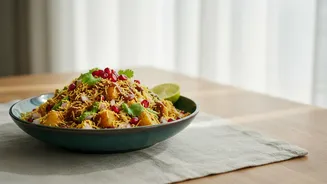
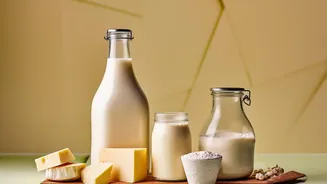
The key to better substitutions is to first identify the texture of the ingredient you're replacing. Most ingredients fall into a few key categories. Is the missing item meant to be creamy and smooth, crispy and crunchy, firm and chewy, or soft and tender? Once you know the textural job the ingredient was supposed to do, you can find a replacement that performs a similar function. For example, if a recipe needs a creamy element, you could swap sour cream for Greek yogurt or even pureed cottage cheese, because they all provide a similar smooth, rich mouthfeel. If you need crunch, toasted nuts, crispy fried onions, or roasted chickpeas can often stand in for one another.
Making Smart, Texture-First Swaps
Let’s put this into practice. Say a recipe calls for lentils to provide a hearty, chewy base in a vegetarian stew, but you only have mushrooms. Chopping the mushrooms and sautéing them will create a similarly earthy and substantial texture. Missing pulled pork for tacos? Shredded jackfruit provides a comparable stringy, chewy quality that holds sauce well. In baking, this becomes even more critical. Replacing eggs, for instance, requires knowing what job the egg was doing. Was it for binding (structure) or moisture? A substitute like mashed banana adds moisture but not much structure, which can make a cake dense. Understanding the ingredient's primary role—be it structural, moisturizing, or textural—is crucial.
Common Texture Traps and How to Avoid Them
One of the most common substitution failures happens when a crisp ingredient is swapped for a soft one, or vice-versa. Replacing a crisp bell pepper with zucchini in a quick stir-fry will lead to a much softer, water-logged result because their textures and moisture content are fundamentally different. Likewise, using a low-fat butter substitute without accounting for the loss of fat and moisture can lead to dry, crumbly baked goods. To avoid these traps, think about the ingredient's properties. If you swap a high-moisture vegetable for a dry one, you may need to adjust cooking time or add liquid. If you're replacing a fat, you may need to add a bit of oil or another moist ingredient to maintain tenderness.
Beyond Texture: Flavor and Function
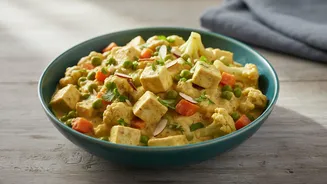
Of course, texture isn't the only thing that matters. After you’ve found a good textural match, you should consider flavor and function. While extra-firm tofu can replace chicken breast texturally, it won’t taste the same without a flavorful marinade. When substituting herbs, remember that dried herbs are more potent than fresh ones; a common rule of thumb is to use one teaspoon of dried for every one tablespoon of fresh. And in baking, an ingredient’s chemical function is paramount. You can’t simply swap baking soda for baking powder, as they have different chemical properties that affect leavening. Thinking about texture first narrows down your options effectively, making the final choice much easier.