


A Vision for Green Heritage
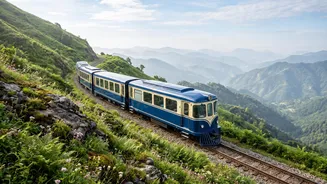
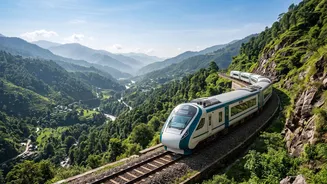
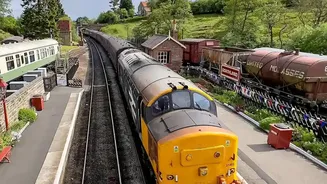
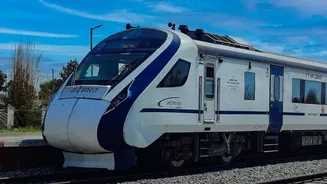
Indian Railways has launched a forward-thinking project named 'Hydrogen for Heritage'. The core mission is to replace traditional diesel locomotives on its iconic, narrow-gauge heritage lines with new trains powered by green hydrogen. The plan involves
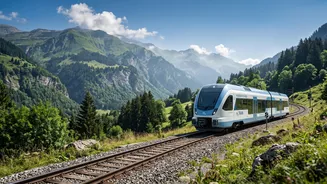
rolling out 35 hydrogen-powered trains across several of India's most scenic and ecologically sensitive routes, including the Kalka-Shimla Railway, the Darjeeling Himalayan Railway, and the Nilgiri Mountain Railway. This serves a dual purpose: preserving the pristine environments that make these routes so famous while demonstrating India's commitment to pioneering green technology. The initiative is a key part of the national transporter's larger goal to become a net-zero carbon emitter by 2030.
How Does a Hydrogen Train Actually Work?
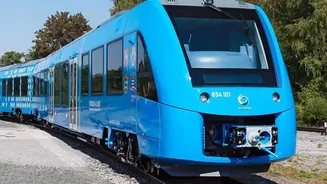
Unlike a diesel engine that burns fuel, a hydrogen train functions like a mobile power plant. The technology hinges on a device called a fuel cell. High-pressure hydrogen is stored in tanks, often on the roof of the train. This hydrogen is fed into the fuel cell, where it reacts with oxygen drawn from the surrounding air. This electrochemical reaction generates electricity to power the train's motors, with the only byproduct being pure water vapour. An onboard battery system stores surplus energy, particularly from braking, and provides an extra boost during acceleration. The result is a quiet, efficient, and zero-emission journey, a stark contrast to the noise and pollution of diesel engines.
Why Start with Heritage Routes?
The choice to debut this technology on heritage lines is both symbolic and strategic. These routes, such as the famous mountain railways, often traverse difficult terrain with steep gradients and sharp curves. This makes conventional overhead electrification not only visually intrusive—detracting from the natural beauty—but also technically complex and extremely expensive. Hydrogen trains offer a self-contained power solution that requires no overhead wires. Furthermore, these routes are major tourist attractions. Running silent, zero-emission trains here creates a powerful statement, showcasing a modern India that respects its history while embracing a sustainable future. The pilot project, which began on the Jind-Sonipat section in July 2026, provides crucial real-world data on performance and safety before a wider rollout on the more challenging hill routes.
The Challenge of 'Green' Hydrogen
It's important to note that not all hydrogen is created equal. The environmental benefit depends entirely on how the hydrogen is produced. While most of the world's hydrogen is currently derived from fossil fuels, the 'Hydrogen for Heritage' project is committed to using 'green' hydrogen. This means the hydrogen is produced through electrolysis—a process that splits water into hydrogen and oxygen—powered by renewable energy sources like solar. Although green hydrogen is currently more expensive than conventional fuels, the Indian government is actively working to bring down costs by providing incentives for production and manufacturing. Success in this area is crucial for the long-term viability and scalability of the project, aligning with India's National Green Hydrogen Mission.
The Road Ahead and Global Context
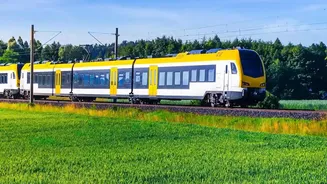
While the launch of India's first hydrogen train is a significant milestone, challenges remain. High initial costs for retrofitting trains and building refuelling infrastructure are major hurdles. Ensuring a reliable and affordable supply of green hydrogen across geographically dispersed heritage routes is another complex logistical task. However, India is not alone in this pursuit. Countries like Germany and China have also deployed hydrogen trains, primarily on regional lines where electrification isn't feasible. By developing this technology indigenously, India joins a select group of nations at the forefront of this clean transportation revolution. The lessons learned from the 'Hydrogen for Heritage' project will be invaluable in determining how this technology can be scaled up, potentially for use on other non-electrified parts of the vast Indian Railways network.