




The Gut-Brain Superhighway
Your gut and brain are in constant communication through a network of nerves, hormones, and immune signals known as the gut-brain axis. Think of it as a two-way superhighway. When you're stressed, your brain can send signals that upset your stomach. Conversely,
what happens in your gut can influence your mental state. A significant part of this conversation is managed by the trillions of microbes living in your gut, which produce compounds that can affect everything from your mood to your cognitive function.
Your Gut's Favorite Fuel: Fermentable Fiber
Fermentable fiber, a type of soluble fiber, is a superstar for your gut health. Your body can't digest it, so it travels to your colon, where it becomes food for your beneficial gut bacteria. As these microbes feast on fiber, they produce powerful compounds called short-chain fatty acids (SCFAs). These SCFAs are crucial. They help reduce inflammation, support a healthy gut lining, and can even influence the production of neurotransmitters like serotonin and dopamine, which are essential for mood regulation. In fact, around 95% of your body's serotonin is produced in the gut, highlighting how important gut health is for your emotional well-being.
Meet the Probiotics: Your Gut's Allies
Probiotics are the 'good' live bacteria and yeasts that offer health benefits when consumed. They help maintain a healthy balance in your gut microbiome, ensuring that beneficial microbes thrive. These friendly bacteria do more than just aid digestion; they actively participate in the gut-brain axis. Research suggests that certain strains of probiotics can help alleviate stress and anxiety and improve cognitive performance. Sometimes referred to as 'psychobiotics', these beneficial microbes may help support emotional balance and mental clarity by influencing neurotransmitter production and reducing inflammation.
Foods to Feed Your Good Gut Bugs
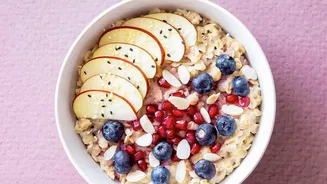
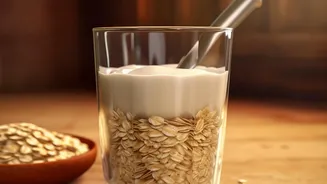
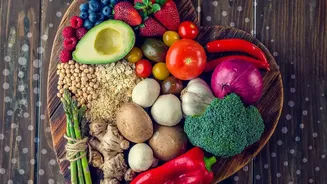
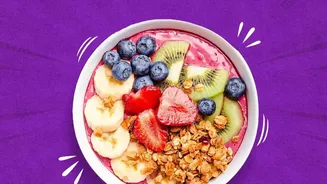
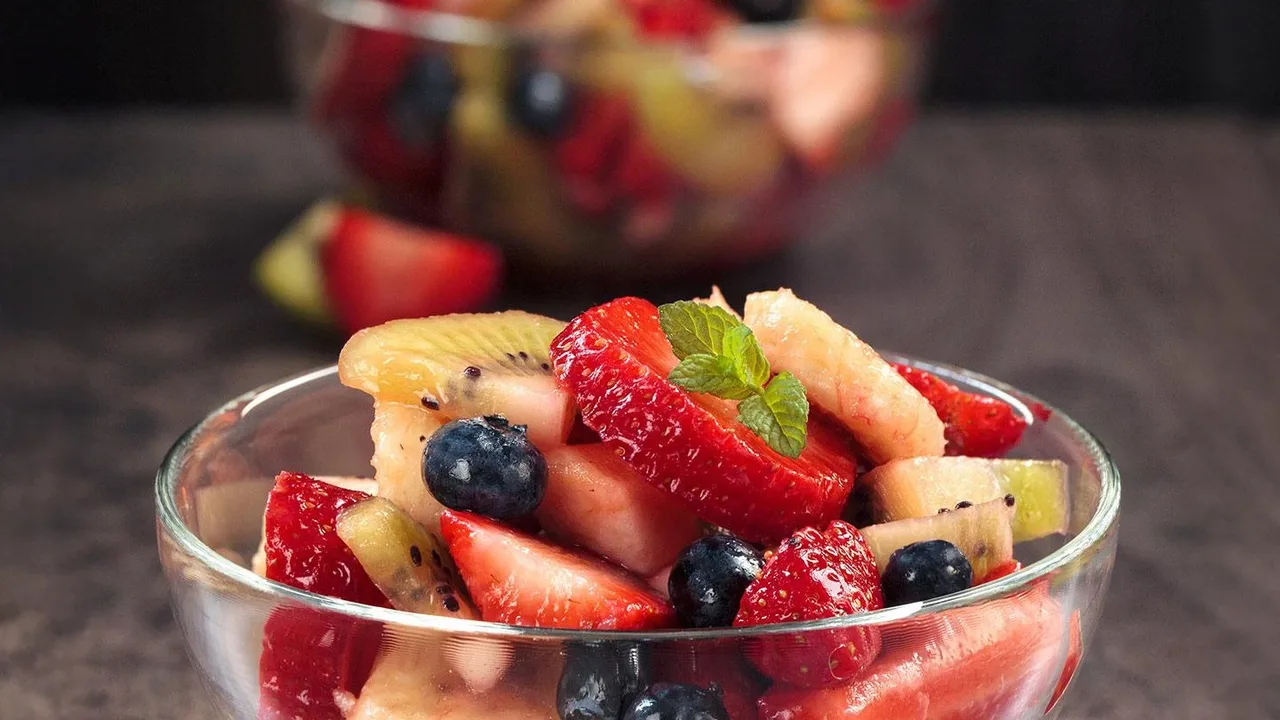
To boost your intake of fermentable fiber, focus on a variety of plant-based foods. Incorporating these into your meals provides the fuel your gut microbes need to produce those beneficial SCFAs. Great sources include legumes like lentils and beans, which are packed with fiber. Oats and barley are rich in a specific fiber called beta-glucan, known for its health benefits. Many fruits and vegetables are also excellent choices, such as apples, berries, carrots, and asparagus. Don't forget onions, garlic, and root vegetables like yams and chicory root, which are particularly high in these valuable fibers. Even cooked and cooled potatoes or rice develop resistant starch, a type of fermentable fiber.
How to Add Probiotics to Your Plate
Incorporating probiotic-rich foods into your diet is a delicious way to support your gut health. Fermented foods are the primary natural source of these beneficial microbes. Yogurt and kefir, a fermented milk drink, are among the best sources and are available in dairy and non-dairy versions. Other excellent options include sauerkraut (fermented cabbage), kimchi (a spicy Korean staple), miso (a fermented soybean paste used in soups), and tempeh. Even some cheeses, like cheddar, mozzarella, and gouda, can contain probiotics. When buying products like pickles or sauerkraut, look for those in the refrigerated section with labels that say "live and active cultures" to ensure you're getting the benefits.