
The Classic Mahabaleshwar Circuit
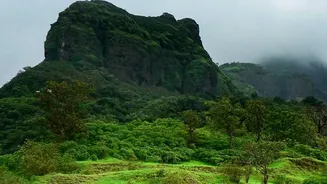
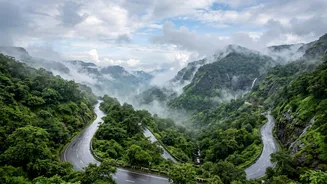
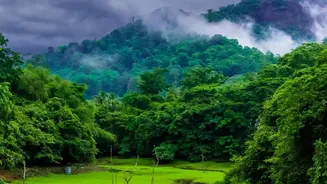
Mahabaleshwar is the quintessential monsoon getaway in Maharashtra for a reason. During the rains, the hill station sheds its tourist-heavy persona and dons a quieter, more atmospheric charm. The drive itself is an experience, with roads winding through
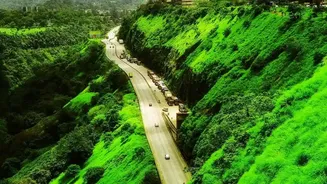
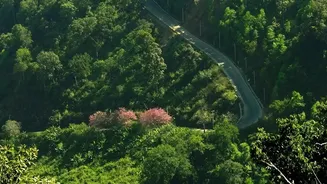
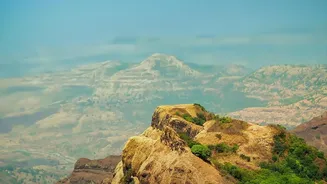
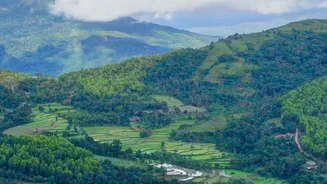
hills cloaked in dense fog and waterfalls appearing beside forest paths. A classic route involves exploring the famous viewpoints, though with a monsoon twist. Don’t chase a checklist; instead, savour the moments when the mist parts to reveal a stunning valley view at spots like Arthur's Seat or Kate's Point. The journey is more about the atmosphere than perfect visibility. A drive to Venna Lake offers a tranquil experience, perfect for a quiet walk as raindrops create ripples on the water. The road from Wai to Mahabaleshwar via the Pasarani Ghat is another hidden gem, offering panoramic valley views and lush greenery around its hairpin bends. This route feels intimate and lets you experience the ghats in their full monsoon glory.
The Satara-Thoseghar Waterfall Route
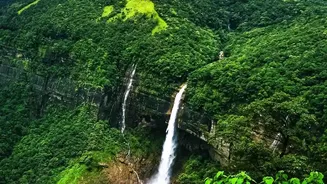
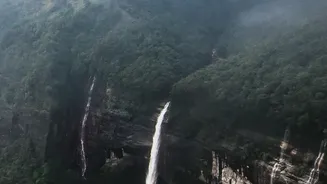
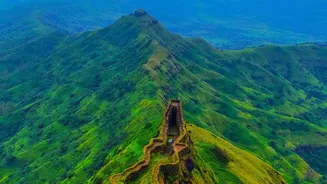
For those who believe monsoons are for chasing waterfalls, the route from Satara to Thoseghar is a must. Located about 20-26 km from Satara city, the Thoseghar Waterfalls become a powerful spectacle during the rains. What is a quiet cliff for most of the year erupts into multiple cascades, with one of the main falls plunging from a height of nearly 200 meters. The drive to the falls is as rewarding as the destination itself, with misty roads and lush green mountains of the Sahyadri range creating a picturesque backdrop. A well-maintained viewing platform allows for a safe and breathtaking view of the roaring falls. You can easily combine this trip with a visit to the nearby Sajjangad Fort, the final resting place of Samarth Ramdas, for a mix of natural beauty and historical significance. This circuit offers a raw, powerful encounter with nature at its monsoon peak.
The Road to the Valley of Flowers: Kaas Plateau
Timing is everything for this drive. The Kaas Plateau, a UNESCO World Heritage Site near Satara, transforms into a vibrant carpet of over 850 species of wildflowers for a few weeks between late August and early October. The drive from Satara to Kaas is serene, with quiet roads offering open views of lakes and hills. The main blooming season for 2026 is expected to be from mid-September to mid-October. It’s crucial to book tickets online in advance, as visitor numbers are capped to protect the fragile ecosystem. Even if you miss the peak bloom, the drive is still refreshing, but to witness the plateau in its full splendour, aim for late September. From Kaas, you can extend your drive to the serene Kaas Lake or the rustic village of Bamnoli, which lies beside the vast Shivsagar Lake formed by the Koyna Dam. The road to Bamnoli is particularly scenic, passing through dense forests and offering breathtaking views.
Tips for a Safe Monsoon Drive
Driving in the Western Ghats during the monsoon is magical but requires caution. The weather can change in an instant, with heavy downpours reducing visibility to near-zero. Before you start, ensure your vehicle is in top condition—check your tyres for good tread, get your brakes inspected, and make sure your wipers are working effectively. On the road, reduce your speed, as wet surfaces increase braking distance. Maintain a safe distance from the vehicle ahead, and always keep your headlights on low beam for better visibility in the fog and rain. Be prepared for slippery roads, potential potholes, and the possibility of minor landslides or fallen trees, especially on narrower ghat roads. It’s wise to avoid driving in the ghats after dark. Pack waterproof clothing and footwear with good grip, as you'll want to step out to enjoy the views.