








The City Bakes in 41-Degree Heat
Residents of the national capital have endured a gruelling week, with the mercury consistently hovering around the 41-degree mark. On Saturday, the city’s base weather station at Safdarjung recorded a maximum temperature of 41.3°C, which is over four
degrees above the normal for this time of year. [3, 12] The heat was amplified by high humidity, which pushed the 'real feel' or heat index to a staggering 51°C. [3, 6] This combination of extreme heat and moisture creates dangerous conditions, making it difficult for the body to cool down and increasing the risk of heat-related illnesses. The minimum temperature has also been uncomfortably high, settling above 30°C and offering little respite during the night. [3, 12]
When Is the Rain Arriving?
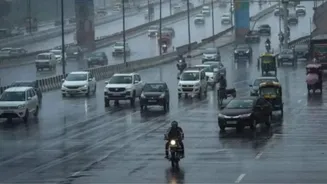
The long-awaited relief is just around the corner. The IMD has predicted that weather patterns will begin to shift starting Monday. [3] While Sunday may see some thundery development and strong surface winds, more organised rainfall is expected from Monday onwards. [3, 5, 8] The forecast indicates light to moderate rain accompanied by thunderstorms and gusty winds through the middle of the week. [3, 12] A yellow alert for thunderstorms has been issued for Tuesday and Wednesday, suggesting that weather activity could intensify during this period. [3] These showers are expected to bring a significant drop in temperature, with maximums predicted to fall to between 33°C and 35°C by mid-week. [3]
The Science Behind the Sudden Shift
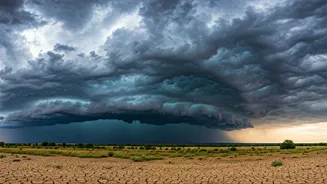
This change is not a random event but the result of specific meteorological phenomena. The IMD notes that southwesterly winds from the Arabian Sea are currently feeding moisture into northwestern India. [3] This is a classic precursor to the monsoon's arrival. These moist winds, combined with the intense surface heating, are creating atmospheric instability, which is conducive to the formation of thunderstorms. While these showers are technically pre-monsoon activity, they are a strong signal that the seasonal weather patterns are shifting. [18] Conditions are becoming favourable for the further advance of the Southwest Monsoon into the remaining parts of Northwest India. [5]
Is This the Official Monsoon?
While the upcoming rains will feel monsoonal, the IMD has not yet officially declared the onset of the monsoon over Delhi. The normal date for the monsoon's arrival in the capital is June 27, but forecasts now suggest it will be delayed, likely arriving in the first week of July. [12, 13] The current spell of rain is classified as pre-monsoon showers, which are common in the days leading up to the main event. [21] These are often characterised by intense, short-lived thunderstorms rather than the prolonged, widespread rainfall associated with the established monsoon. Meteorologists will officially declare the monsoon's onset only after specific criteria related to rainfall, wind patterns, and humidity are consistently met over a wide area.
What to Expect Next
For Delhiites, the next few days promise a welcome break from the oppressive heat. The rain will not only cool the air but also help wash away pollutants, temporarily improving the city's air quality. However, the relief may come with its own set of challenges. The IMD has warned of strong, gusty winds of up to 40-50 kmph accompanying the thunderstorms, which could cause disruptions. [16] There is also the perennial issue of waterlogging in low-lying areas following intense downpours. Residents are advised to stay updated with the latest weather advisories from the IMD as the city transitions from a scorching summer to the much-anticipated monsoon season.