





More Than Just Weather
We often confuse climate with weather. The weather is today’s rain or tomorrow’s sunshine. Climate, on the other hand, is the long-term pattern—the story of our environment over decades. Climate literacy is the ability to understand this story. It means
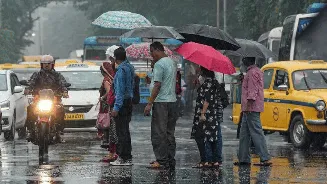
knowing the difference between a single hot day and a trend of rising average temperatures. It’s understanding that a delayed monsoon isn’t just a fluke, but potentially part of a larger, systemic shift driven by human activity. Without this basic understanding, we're like sailors navigating a storm without a compass. We see the waves but have no idea which direction the currents are pulling us.
It's About Your Health and Your Wallet
The impacts of a changing climate are not abstract scientific concepts; they are tangible realities that affect our daily lives in India. Unprecedented heatwaves in Delhi and across the north are not just uncomfortable—they pose serious health risks like heatstroke, especially for the elderly and outdoor workers. Changes in rainfall patterns, as seen with the Bengaluru water crisis or floods in Assam, disrupt everything from water supply to agriculture. When crop yields fall due to drought or unseasonal rains, the price of dal, onions, and other staples at your local market goes up. Climate literacy helps you connect these dots. It empowers you to understand the risks to your family’s health and budget, and to prepare for them.
Cutting Through the Misinformation
In the digital age, we are bombarded with information—and a great deal of misinformation—about climate change. Social media feeds can be filled with everything from outright denial to exaggerated doomsday scenarios. Climate literacy acts as a critical filter. It equips you with the fundamental knowledge to evaluate claims, identify baseless arguments, and trust credible sources like the Intergovernmental Panel on Climate Change (IPCC) or the India Meteorological Department (IMD). It’s the skill that allows you to separate scientific consensus from paid propaganda, enabling you to form an informed opinion rather than being swayed by the loudest voice in the room.
The New Essential Job Skill
Understanding climate change is no longer a niche requirement for environmentalists. It is fast becoming a crucial skill across a huge range of professions. If you're a farmer, you need to know about climate-resilient crops. If you're in finance, you must assess the climate-related risks of investments. Engineers and urban planners must design infrastructure—roads, buildings, drainage systems—that can withstand extreme weather events. Even in marketing or tech, companies are increasingly focused on sustainability. Being climate literate gives you a competitive edge in the job market, demonstrating that you are a forward-thinking professional prepared for the challenges and opportunities of the 21st-century economy.
An Informed Citizen Is an Empowered Citizen
Ultimately, climate literacy is about citizenship. The decisions made in our panchayats, state assemblies, and in Parliament regarding water management, energy policy, and urban development will shape the India our children inherit. As an informed citizen, you can participate meaningfully in these conversations. You can ask elected officials tough questions about their climate action plans. You can support policies that build resilience in your community, whether it's promoting rainwater harvesting or protecting local green spaces. A climate-literate population can hold its leaders accountable and drive the collective action needed to navigate the challenges ahead.