



An Ancient Compass Hijacked
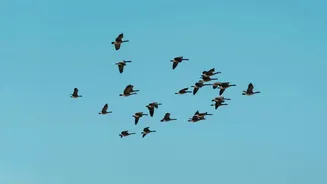
For millennia, birds have navigated immense distances with incredible precision. A majority of species migrate at night, relying on a sophisticated internal toolkit. They use celestial cues like the moon and stars, and can likely even perceive the Earth's
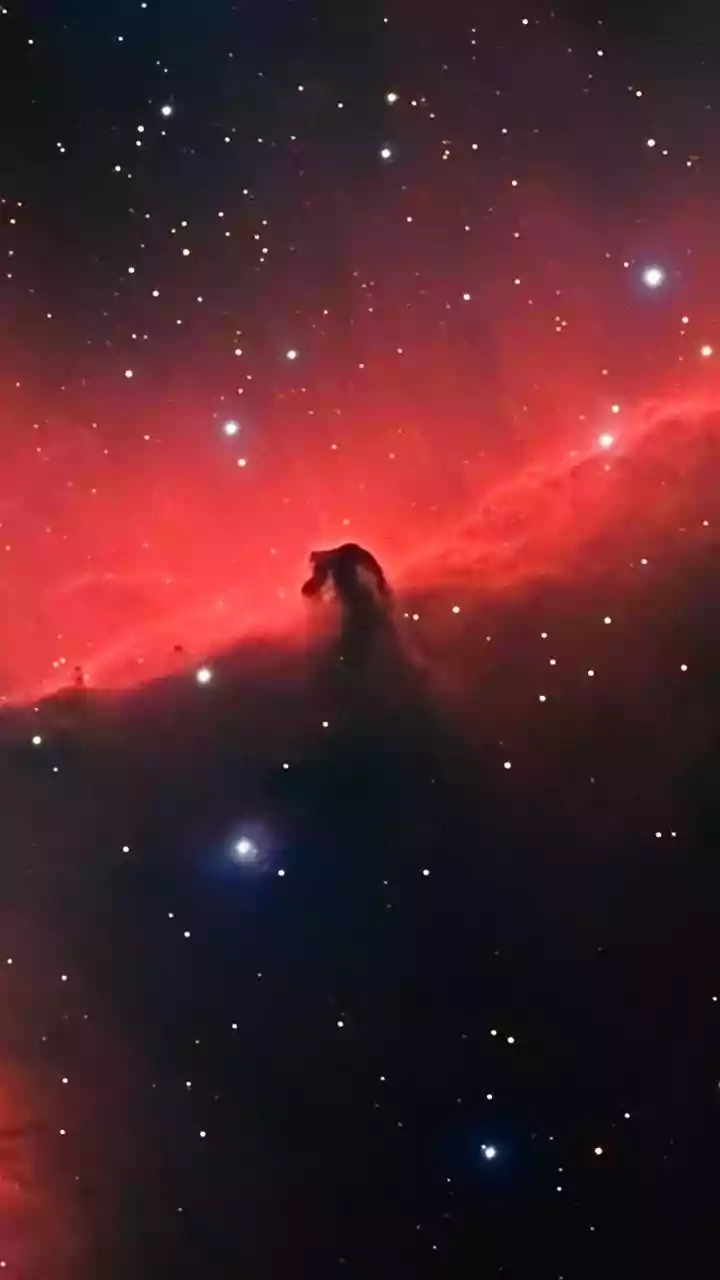
magnetic field as a visual guide. This natural GPS allows them to traverse continents, from their breeding grounds to wintering habitats and back. However, the rapid and widespread growth of artificial light at night (ALAN) is hijacking this ancient system. The glow from our cities, which can be seen from space, washes out the stars and creates a disorienting glare, pulling birds off their ancestral flight paths.
The Fatal Attraction of City Lights
Scientists believe artificial light acts like a powerful magnet for nocturnal migrants. Instead of flying over a dark landscape, birds encounter the vast, luminous domes of our cities and are drawn in. Studies, including dramatic observations at the 'Tribute in Light' memorial in New York City, have shown that intense light causes birds to slow down, circle endlessly, and call out in confusion. Trapped within these beams of light, they burn precious energy reserves needed for their long journey, sometimes dropping from sheer exhaustion. This fatal attraction lures them into environments for which they are not prepared: the concrete and glass jungle.
A Maze of Invisible Walls
Once drawn into the urban environment by the lights, a second, even more direct threat emerges at dawn: glass. Birds do not perceive glass as a solid barrier. To them, a reflective window showing trees and sky appears to be a safe place to fly. Transparent glass, like that on a walkway or balcony, looks like a clear flight path. While collisions can happen at any time, they are most frequent during migration when disoriented birds, lured into the city by night-time lights, try to find refuge in the morning. The problem is not limited to skyscrapers; in fact, the vast majority of collisions occur on buildings of four stories or less, making suburban homes and low-rise offices major culprits.
A Silent Crisis in India
While North America estimates that up to a billion birds die from building collisions each year, the scale of the problem in India is only just beginning to be understood. There is no national assessment, but sporadic reports and emerging studies paint a grim picture. In Gujarat, a flock of migratory rosy starlings crashed into a glass building. In Meghalaya, long-tailed broadbills collided with a showroom facade. A 2025 study in the Nilgiri Biosphere Reserve documented 35 collisions involving 22 species, including endemic birds, at just two low-rise buildings over one year. Citizen science projects are now trying to crowdsource data, with species like the Indian pitta appearing frequently among the victims, its long journey cut short by an invisible wall.
Simple Solutions, Safer Skies
The good news is that light pollution is a problem with readily available solutions. The most effective measure is simply turning off non-essential lights during peak migration seasons, typically spring and autumn, from late evening until dawn. 'Lights Out' programs in cities worldwide have proven remarkably effective, with one study finding that turning off lights at a single Chicago building reduced bird deaths by 80%. Shielding outdoor lights to point downward, using motion sensors, and opting for warm-coloured bulbs instead of blue-rich white LEDs can also make a significant difference. For buildings, applying patterned films to glass or using bird-safe designs breaks up reflections and helps birds 'see' the barrier, preventing countless deaths.