



Why One Light Is No Longer Enough
A single overhead light source might illuminate a room, but it often creates a flat, harsh effect with stark shadows. It fails to adapt to the many ways we use a space—a living room, for instance, serves as a place for family gatherings, quiet reading,
watching movies, and entertaining guests. Relying on one bright light for all these activities is inefficient and uninspiring. The modern approach, known as layered lighting, combines multiple light sources to build an atmosphere that is flexible, functional, and full of character. It’s about painting with light to create depth and mood.
Layer 1: Ambient Light, the Foundation
Think of ambient light as the general, overall illumination that fills a room, setting the base tone. It's the replacement for that single tubelight, but with a softer, more considered approach. In Indian homes, this is often achieved through recessed downlights in a false ceiling, a stylish central chandelier, or cove lighting that provides a gentle, indirect glow. The goal isn't just brightness but a comfortable, welcoming feel that makes the entire space usable. Using dimmers for your ambient lighting is crucial, as it allows you to dial the brightness up for cleaning or down for a relaxed evening.
Layer 2: Task Light, for Focus and Function
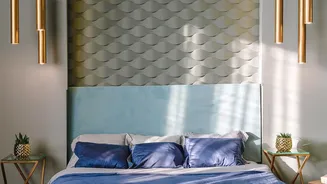
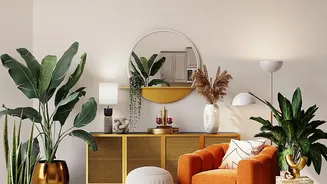
Task lighting is exactly what it sounds like: focused light for specific activities. It reduces eye strain and makes daily chores easier and more pleasant. This is where you get specific about how you use a room. Examples are everywhere in a well-lit home: a floor lamp next to an armchair for reading, under-cabinet LED strips in the kitchen for chopping vegetables, a bright desk lamp for working, or vanity lights around a bathroom mirror. In the bedroom, bedside wall sconces or table lamps provide the perfect light for late-night reading without illuminating the whole room.
Layer 3: Accent Light, the Artistic Touch
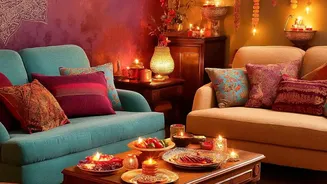
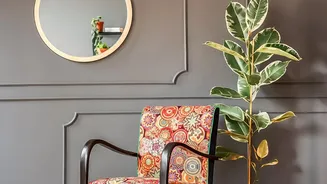
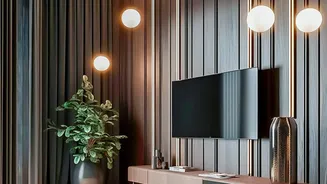
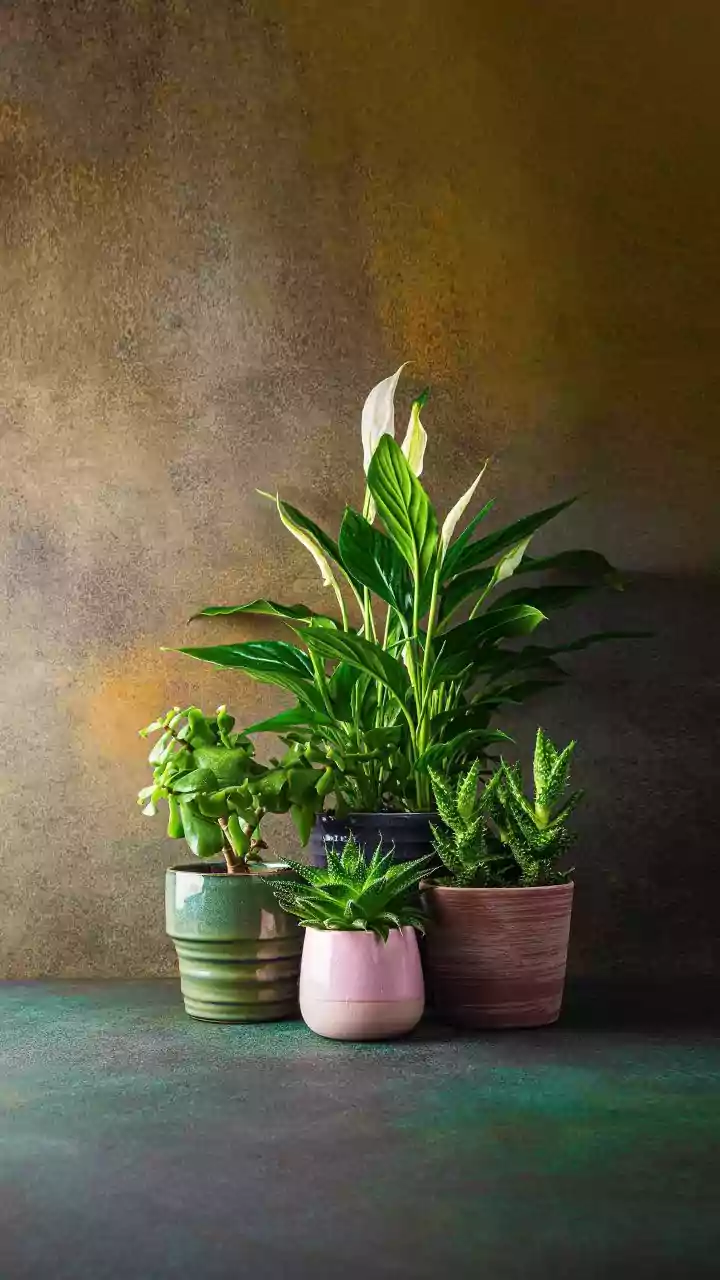
If ambient light makes a room usable and task light makes it functional, accent lighting is what gives it a soul. This is the most decorative layer, used to draw attention to the things you love. It creates visual interest and highlights your home's best features. You can use a spotlight to illuminate a piece of art, aim track lighting at a textured wall, or use uplights to add drama to an indoor plant. In an Indian context, accent lights can beautifully showcase traditional elements like a jaali screen, a brass statue in a niche, or the intricate carvings on a wooden cabinet.
Bringing It All Together with Personality
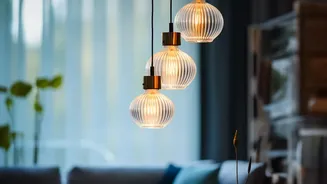
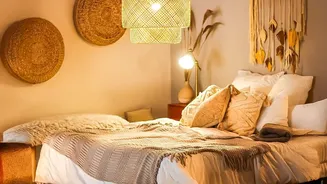
The magic of layered lighting lies in how the three types work together, with each on a separate switch for maximum control. But the final step is injecting your personality through the fixtures themselves. The style of the lamp, chandelier, or sconce is as important as the light it casts. In 2026, trends are moving towards sculptural fixtures that act as art, and materials like brushed brass, cane, jute, and marble are popular choices. A statement pendant light over a dining table or a unique floor lamp can become a focal point. It’s this combination of functional layers and personal style choices that transforms a house into a home that truly reflects who you are.