






From Island Outposts to the Mainland Coast
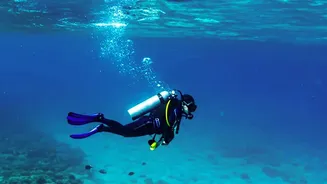
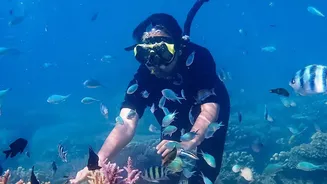
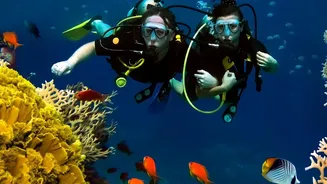
For decades, serious underwater adventure in India was synonymous with the Andaman and Nicobar or Lakshadweep islands. Their pristine coral reefs, clear waters, and rich marine biodiversity made them world-class destinations for scuba diving and snorkelling.
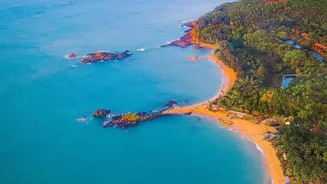
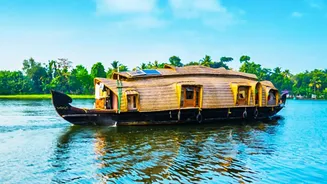
While these islands remain premier spots, the geography of adventure is widening. Today, a string of destinations along the mainland's east and west coasts are emerging as vibrant hubs for underwater activities. States like Goa, Karnataka, Kerala, Pondicherry, and even Maharashtra are developing their marine tourism infrastructure, making the underwater world more accessible to millions who don't need a separate flight to an island territory. This shift is democratising marine adventure, transforming it from a niche, far-flung pursuit into a more mainstream weekend getaway.
Technology Makes the Deep More Accessible
This expansion isn't just about new locations; it's also fuelled by technology. The rise of more affordable and user-friendly snorkelling gear and the proliferation of PADI-certified dive centres in places like Pondicherry and Goa have lowered the barrier to entry. But the innovation goes deeper. In Gujarat, a pioneering project in Dwarka is set to launch India’s first passenger submarine for tourism. The vessel will take tourists 100 metres below the sea to view the marine life around Bet Dwarka, an island associated with Lord Krishna. This venture, along with the introduction of activities like underwater sea walking, signals a new phase where you don't need to be a certified diver to experience the magic of the ocean's depths, broadening the market to families and casual tourists.
A New Generation of Indian Adventurers
The demand for these experiences is driven by a fundamental shift in what Indian travellers want. There's a growing appetite for experiential travel over traditional sightseeing. Millennials and Gen Z, in particular, are seeking unique, shareable moments and are willing to spend on activities that offer a thrill. This trend has seen adventure travel in India become one of the fastest-growing tourism segments, with bookings for experience-led trips surging. The Indian traveller is now more adventurous, actively seeking out everything from wreck dives off the coast of Goa to spotting whale sharks in Pondicherry. This domestic demand is creating a commercially viable circuit for operators, encouraging investment in better facilities and safety standards.
Balancing a Boom with Conservation
The rapid growth of marine tourism presents both an opportunity and a challenge: how to welcome more visitors without harming the fragile ecosystems they come to see. Unregulated development and pollution are significant threats to India's coastal biodiversity. In response, there is a growing movement towards sustainable and responsible tourism. Many dive operators in the Andamans and elsewhere now integrate conservation into their business models, organising reef clean-ups and educating divers on protecting marine life. Government bodies and NGOs are also stepping in. Initiatives in states like Kerala and national policies aim to implement carrying capacities for sensitive areas and promote eco-friendly practices, attempting to ensure that the underwater boom benefits local communities and preserves the natural beauty for generations to come.