


1. Assess Your Microclimate First
Before you buy a single plant, become a student of your balcony. For a few days, track the sun. How many hours of direct light does it get? Is it the harsh afternoon sun or the gentle morning light? This is the single most important factor in plant selection.
Also, consider the wind. Balconies, especially on higher floors, can be wind tunnels that dry out and damage delicate plants. Finally, check your building’s rules. Some have weight restrictions or rules about hanging planters on railings. A five-minute assessment will save you hundreds of dollars and a lot of heartache, guiding you toward plants that won’t just survive, but thrive.
2. Think Vertically, Not Horizontally
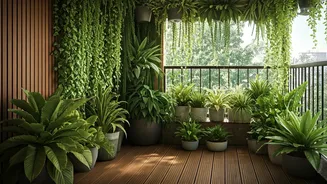
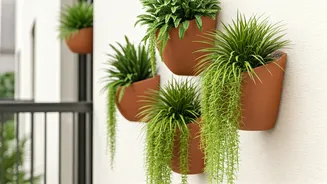
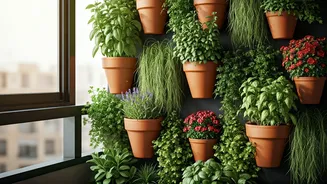
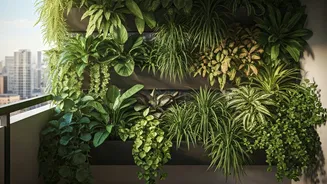
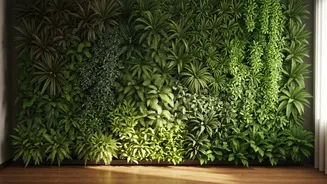
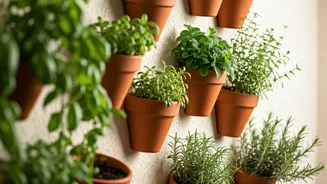
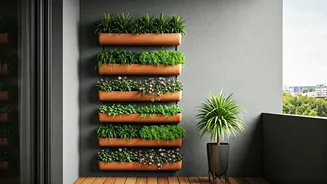
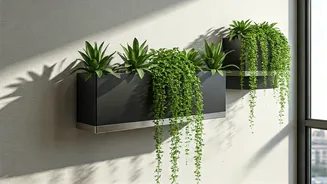
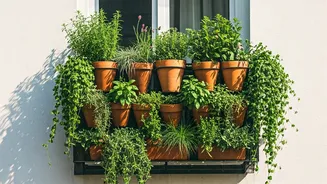
Floor space is the enemy. The secret to a dense, jungle-like feel is to draw the eye upward. Invest in structures that maximize your vertical real estate. A simple wooden or metal trellis leaned against a wall can support climbing plants like jasmine, clematis, or even compact varieties of beans and peas. Wall-mounted pocket planters are perfect for creating a living wall of herbs or succulents. For railings, look for over-the-rail planters that straddle the barrier, freeing up your floor. And don’t forget to look up: a sturdy, properly installed hook in the ceiling or overhang can hold a dramatic hanging basket overflowing with trailing plants like petunias or ivy.
3. Choose Resilient Plant All-Stars
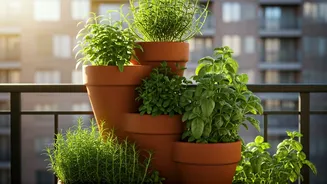
A balcony is a tough environment. Your plants need to be hardy. For sunny, hot balconies, drought-tolerant heroes like succulents, lavender, and ornamental grasses are fantastic. Trailing geraniums and petunias also love the sun and provide a cascade of color. If you have a shadier spot, you’re not out of luck. Ferns, heuchera (coral bells), and impatiens bring lush texture and color without needing six hours of direct sun. For that true “jungle” foliage, try coleus for its vibrant leaves or a snake plant, which is famously hard to kill and tolerates a wide range of conditions. For edibles, herbs like rosemary, thyme, and mint are forgiving, while compact bush varieties of tomatoes and peppers can be surprisingly productive.
4. Use the Right Containers and Soil
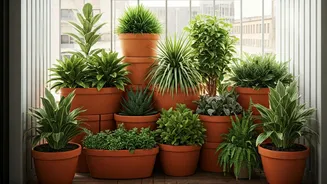
Your pot choice is about more than just aesthetics. Terracotta is beautiful but dries out very quickly, which can be a problem on a windy balcony. Glazed ceramic or plastic pots retain moisture better. Whatever you choose, ensure it has drainage holes—no plant wants to sit in a puddle. More importantly, don't use soil from your backyard. Bagged potting mix is essential. It’s specially formulated to be lightweight (important for weight limits), resist compaction, and hold the right balance of air and water. For containers, this is non-negotiable. Using heavy, dense garden soil will lead to waterlogged roots and unhappy plants.
5. Master the Art of Balcony Watering
Watering a container garden is a hands-on job. The combination of sun, wind, and the limited soil volume in a pot means you’ll likely be watering more often than you would for a garden bed—sometimes daily in the heat of summer. The best method is to check the soil with your finger. If the top inch is dry, it’s time to water. Water thoroughly until it runs out the drainage holes, ensuring the entire root ball is saturated. To be a good neighbor, use large saucers under your pots to catch runoff. For frequent travelers or forgetful gardeners, self-watering planters or a simple drip irrigation kit connected to a hose spigot (if you have one) can be a lifesaver.
6. Add Layers for a True Oasis Feel
The final step is to make it a space you want to spend time in. Layering in a few key elements completes the transformation from balcony to oasis. An outdoor rug can instantly define the space and cover ugly concrete. A small bistro set or even a single comfortable armchair invites you to sit and enjoy your work. Finally, consider lighting. A simple string of solar-powered café lights adds a magical glow in the evening, extending the usability of your new green sanctuary long after the sun goes down. These finishing touches are what elevate a collection of pots into a true outdoor room.