




Fueling the Nation's Powerhouses
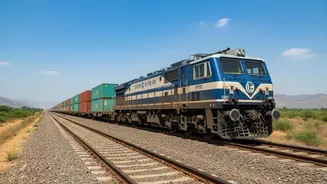
At the heart of this growth is the relentless demand for energy. In July, the national transporter ferried 141.3 million tonnes of goods, a significant jump from 129.7 million tonnes in the same month last year. A substantial part of this was coal, which
saw its loading volume increase by a notable 11.5%. More strikingly, Indian Railways ramped up the supply of domestic coal to thermal power plants by 20% compared to July 2025. This isn't just about moving black rocks; it's about ensuring India's lights stay on and its factories keep running. The increased movement of coal, which along with iron ore constitutes over 60% of the railway's entire freight basket, directly reflects heightened industrial activity and energy consumption across the country. This surge points to sustained demand from the power sector, a critical pillar of economic stability and growth.
The Backbone of Industrial Activity
The most dramatic evidence of industrial momentum comes from iron ore, the primary raw material for steel. Freight data reveals an impressive 22.2% year-on-year surge in iron ore loading. This double-digit jump is a strong signal of booming activity in the infrastructure and manufacturing sectors. When more iron ore is being transported, it means more steel is being produced for everything from new construction projects and real estate to automobile manufacturing and heavy machinery. This spike in industrial raw materials suggests that core sectors are not just stable but are actively expanding their operations. This movement provides a tangible measure of the 'Make in India' vision translating into on-the-ground reality, with the railway network serving as the primary artery connecting mines to manufacturing hubs.
Securing the Nation's Food and Farms
Beyond fuel and factories, the July freight numbers also tell a positive story about India's agricultural backbone. The loading of food grains registered a healthy 11.5% growth, while fertilisers saw a 12% increase. These figures are crucial for two reasons. Firstly, the efficient movement of food grains across the country is fundamental to national food security, ensuring that harvests from surplus states reach consumers everywhere. A growth in this segment indicates a well-oiled supply chain managed by the railways. Secondly, the increased transport of fertilisers points towards healthy demand and preparation in the agricultural sector for the upcoming planting seasons. This proactive movement supports farmers and lays the groundwork for future agricultural output, reinforcing the interconnectedness of industry and agriculture.
Reading the Economic Barometer
When viewed together, this commodity-wise growth paints a comprehensive picture of a resilient economy. The balanced performance across crucial sectors—energy, industry, and agriculture—indicates that the demand is not isolated but broad-based. This strong physical movement of goods also translated directly into financial gains, with Indian Railways recording an incremental freight revenue of ₹1,137 crore in July, an 8% increase over the previous year. This performance is particularly noteworthy as it occurred during the monsoon season, a period that can sometimes disrupt mining and transport operations. The sustained freight volumes suggest that operational efficiencies and potentially favourable weather conditions in key mining areas have helped maintain momentum, keeping the wheels of the economy turning without interruption.